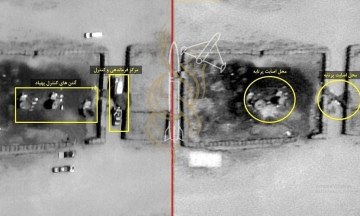
US Central Command (CENTCOM) announced on 15/7 that one of its fighter jets fired a hellfire missile, striking the smokestack of the Curacao-flagged oil tanker Belma. The incident occurred in international waters of the Arabian Sea.
CENTCOM alleged the tanker, measuring over 335 m long and approximately 60 m wide, was heading towards Iran's Kharg Island despite multiple warnings from US forces. The missile strike on its smokestack disabled the vessel, preventing further movement, but did not endanger the crew.
Moment a US fighter jet fires a hellfire missile, striking the smokestack of the Belma oil tanker. *Video: CENTCOM*
This incident marks the first time the US has used force to prevent a vessel from allegedly attempting to reach an Iranian port since reimposing its naval blockade on 14/7. CENTCOM also stated it had "forced two commercial vessels to divert in compliance with the blockade" during the initial 24 hours of its enforcement.
The US previously enforced a port blockade on Iran from 13/4 to 18/6, disabling 9 vessels and diverting over 140 during that period, according to CENTCOM. The Pentagon estimated that by 1/5, the initial blockade had cost Iran approximately USD 4,8 billion in oil revenue.
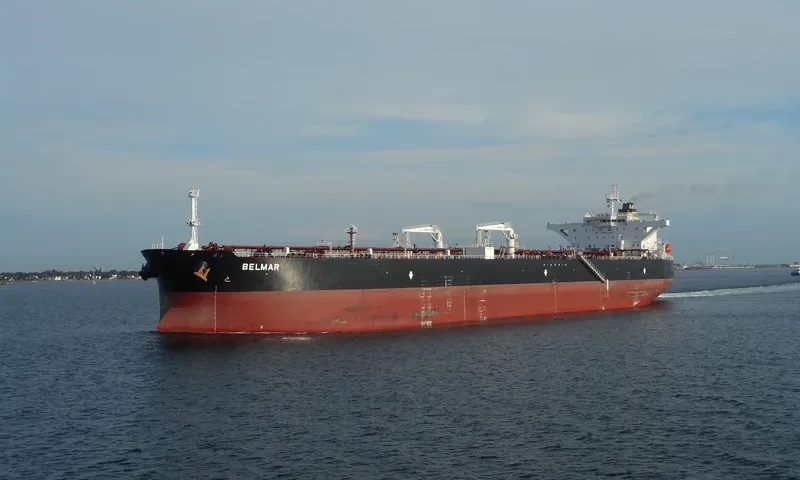 |
The oil tanker Belma. *Photo: balticshipping*
Following the signing of a memorandum of understanding between the US and Iran in mid-June, the Gulf region experienced three weeks of calm. However, tensions escalated when the US, in coordination with Oman and the International Maritime Organization (IMO), established a new shipping route south of the Strait of Hormuz, entirely within Omani territorial waters. This route was intended to encourage commercial vessels to bypass the northern route, which passes through Iranian territorial waters.
The IRGC accused the US of "imposing its will" on the Omani government by attempting to route numerous vessels through the Strait of Hormuz via an "illegal shipping lane" in the southern part of the area. Cargo ships navigating this strait have been subjected to attacks, leading to tit-for-tat retaliatory strikes between Iran and the US.
Following the resurgence of hostilities, the US reimposed its blockade on Iranian seaports. In retaliation, the IRGC threatened to halt all energy exports from the Middle East.
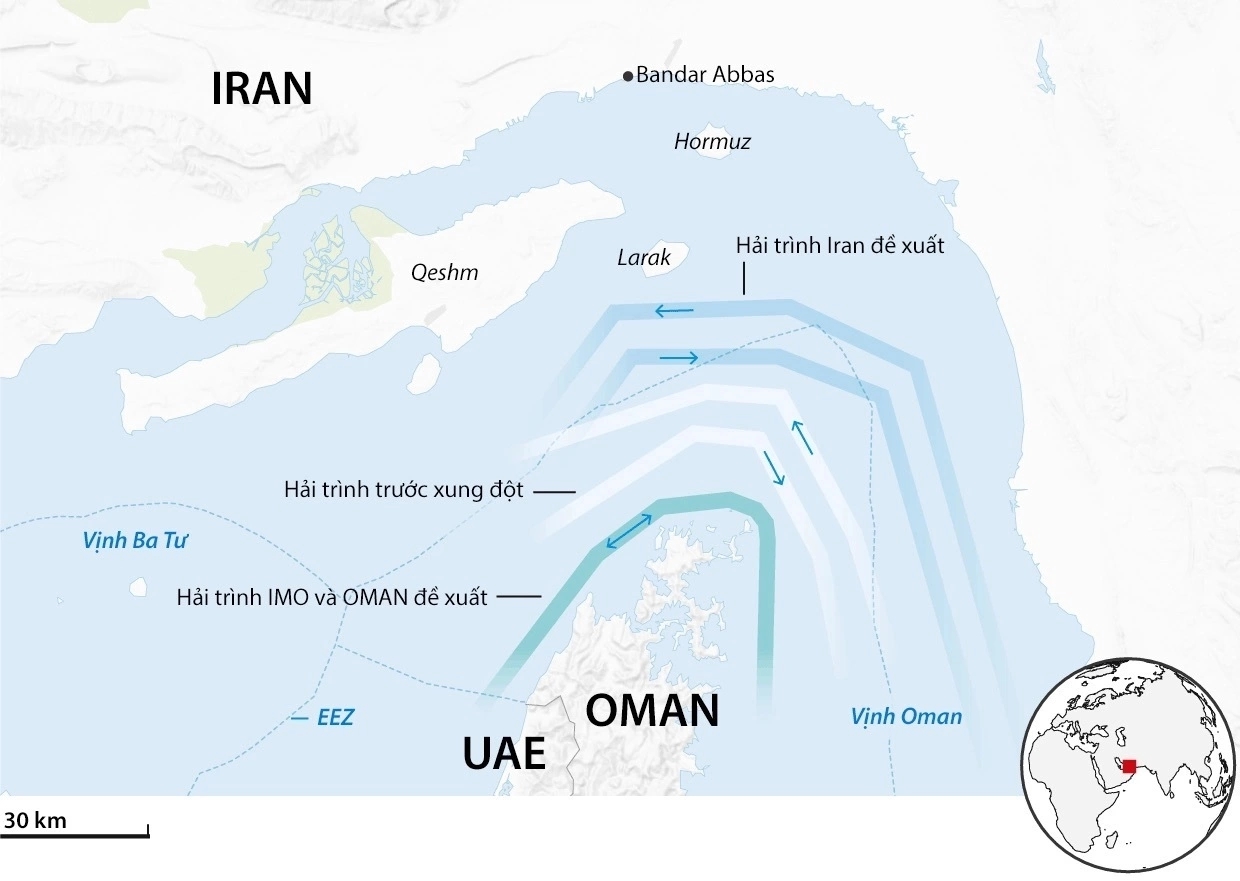 |
Shipping routes through the Strait of Hormuz. *Graphic: Guardian*