On 14/7, the House overwhelmingly passed the Sunshine Protection Act with a 308-117 vote. This bill aims to make daylight saving time (DST) permanent, eliminating the need to set clocks back to standard time in the autumn.
Proponents argue that ending the biannual time shift aligns with modern life. Democratic Representative Frank Pallone noted that commuting and work habits have changed, and fewer students now walk to school. "It's time to end the spring forward and fall back process," Pallone stated.
Historically, the US implemented year-round daylight saving time during World War II and again in 1974 to reduce energy consumption. However, Congress repealed it later that year due to public opposition, particularly from parents concerned about their children waiting for school buses in the dark.
The current bill garnered strong bipartisan support in both the House and Senate, primarily from southern and coastal states. Supporters believe it would allow Americans to enjoy more outdoor activities in the afternoons and evenings during winter. Golf course operators also backed the bill, anticipating that an extra hour of evening daylight would significantly boost their business. President Donald Trump has repeatedly called for an end to the biannual time change and strongly supported this measure.
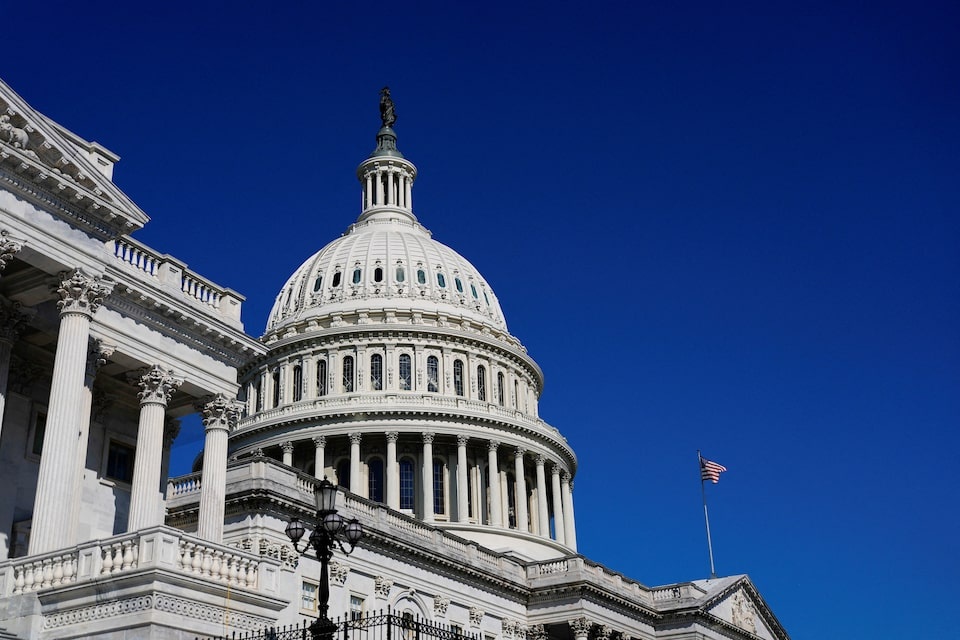 |
The US Capitol building in September 2025. *Photo: Reuters* |
Conversely, critics worry that this change would lead to a one-hour later sunrise during winter mornings, forcing many students and workers to leave home before dawn. Senator Tom Cotton, a Republican from Arkansas, voiced opposition, arguing that permanent daylight saving time would result in very late sunrises in winter, compelling children in many parts of the country to attend school in the dark.
Airlines for America, representing major US airlines, expressed concerns, stating the bill would significantly impact the aviation industry. These impacts include disrupting passenger schedules, complicating crew coordination, and creating domestic and international connectivity issues.
States retain the option not to adopt year-round DST and revert to standard time if they currently do not observe DST (such as Hawaii and Arizona). They could also vote to adopt permanent standard time before the new law takes effect.
The bill still requires Senate approval, where its prospects remain uncertain. Senator Cotton's opposition highlights the challenges it faces.
Hoang Lan (According to Reuters, Washington Post)