The US government commenced a partial shutdown at midnight on 14/2 (12:00 PM Hanoi time), primarily impacting the Department of Homeland Security (DHS). This shutdown occurred after Democratic and Republican lawmakers failed to reach an agreement on funding for DHS operations before the deadline.
With the US Senate and House of Representatives not scheduled for legislative work until 23/2, this shutdown is expected to last for at least 10 days.
Employees of several DHS agencies, including the Federal Emergency Management Agency (FEMA), the Transportation Security Administration (TSA), and the US Coast Guard, will not receive pay during this period, awaiting congressional budget approval. However, most personnel from FEMA, TSA, and the US Coast Guard will continue to work due to their essential roles.
Immigration and Customs Enforcement (ICE) and Customs and Border Protection (CBP) are less affected. These two agencies have an existing funding source of USD 75 billion from President Donald Trump’s "beautiful act," which Congress passed last year.
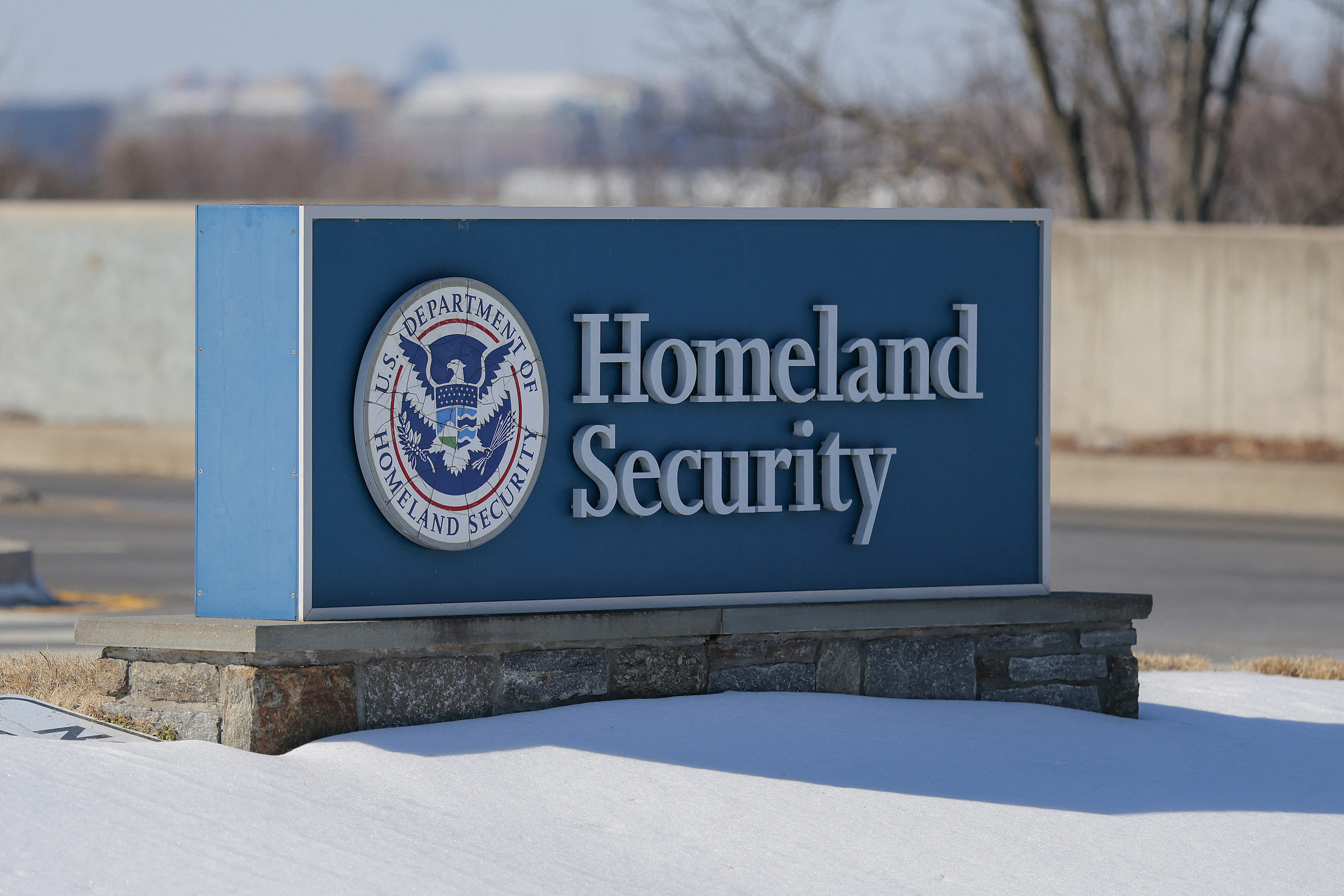 |
The sign for the US Department of Homeland Security in Washington D.C. on 13/2. Photo: AFP
This marks the third US government shutdown since President Trump began his second term in January 2025. The first shutdown, which started on 1/10/2025, lasted a record 43 days due to bipartisan disagreements over the fiscal year 2026 budget. Both sides subsequently reached a short-term budget agreement, allowing the government to reopen.
The second shutdown began on 31/1 and lasted four days, stemming from a failure to agree on the DHS budget. The White House and bipartisan lawmakers later reached an agreement to pass outstanding bills, funding most of the federal government until the end of the fiscal year in September. The DHS budget was separated and extended for only two more weeks.
The DHS budget has become a contentious focal point following an incident in January, where ICE and CBP agents fatally shot two US citizens during an illegal immigration crackdown in Minnesota. The Democratic Party opposes approving funding for DHS until ICE implements changes to its operational procedures. They demand that ICE reduce patrol activities, prohibit masked agents, and require court orders for entry into private property.
Senate rules dictate that a budget bill requires 60 out of 100 votes for approval. With the Republican Party holding only 53 seats, they would need support from at least seven Democratic senators, even if all Republicans vote in unison.
"The path forward is clear. Let's get to the table and establish strict controls to protect American citizens, tighten ICE's operations, and end the violence," stated Senate Democratic leader Chuck Schumer.
The White House has indicated its readiness to negotiate on immigration enforcement policy. Senate Republican leader John Thune described this as a "very serious proposal" but noted that the Democratic Party "will never get everything they want."
By Nhu Tam (AFP, Reuters)