The Ukraine aid act passed the US House of Representatives on 4/6 with 226 votes to 195. This legislation outlines measures to support Ukraine's post-conflict reconstruction, providing over 1 billion USD in direct aid to Kyiv and paving the way for up to 8 billion USD in loan assistance.
The act also imposes sanctions and export controls on Russia, targeting financial institutions and Russian officials in the oil and mining sectors.
The bill, initially introduced by House Democrats months ago, lacked the necessary votes for a floor vote. However, on 4/6, a number of Republican representatives supported the Democratic effort, signing a petition to compel House leadership to bring it to a vote. During the vote, 18 Republican representatives and one independent representative, who typically aligns with Republicans, voted in favor of the legislation.
This outcome is seen as the latest sign of a fracture within the nearly absolute support that the Republican Party once showed for President Donald Trump's policies, as he has opposed aid to Ukraine since assuming his second term.
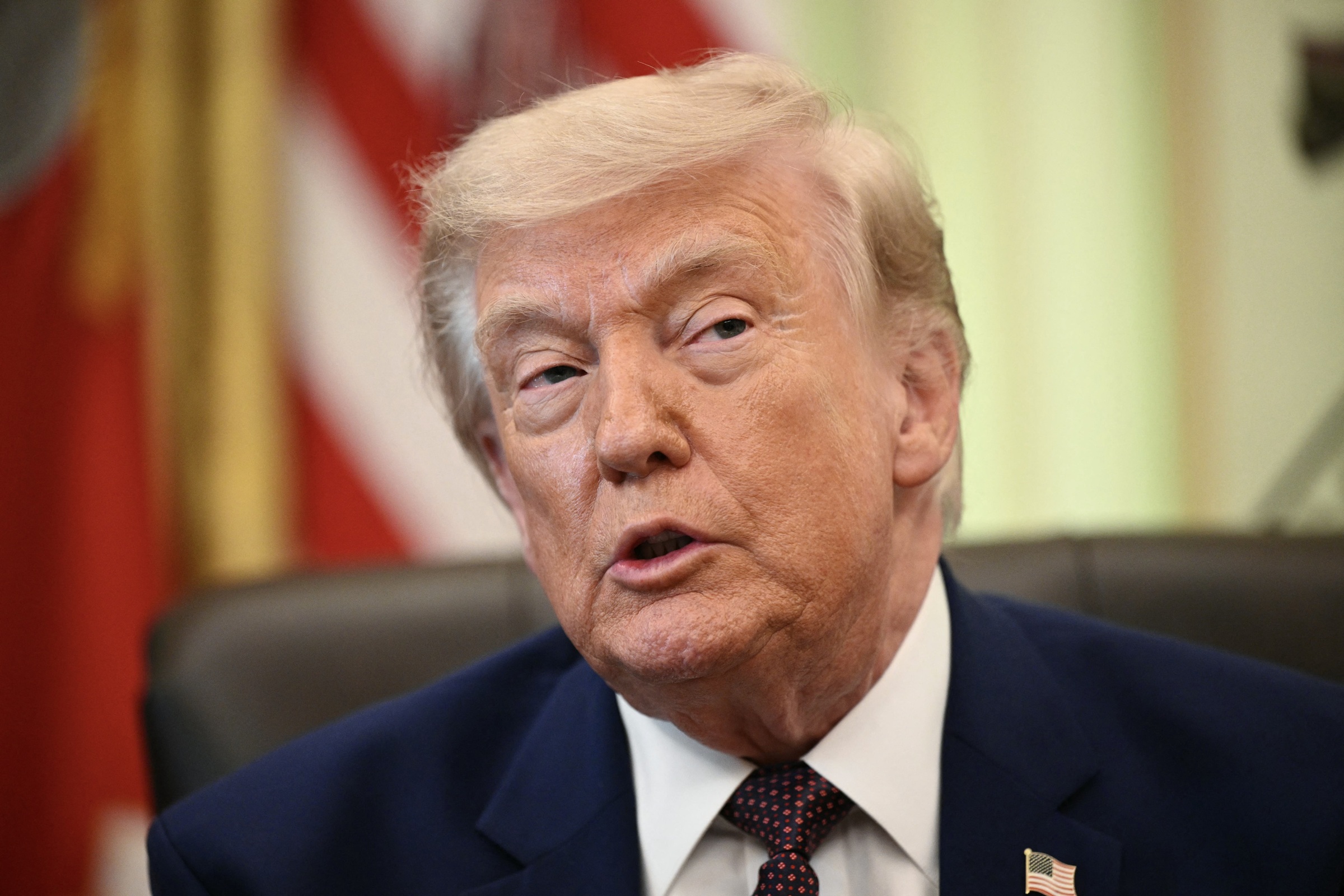 |
US President Donald Trump at the White House on 3/6. AFP |
US President Donald Trump at the White House on 3/6. AFP
This is considered a new political blow against Trump, as the act passed just one day after the House approved a resolution tightening his war powers.
However, the future of the Ukraine aid act remains uncertain, as it still requires Senate consideration. Republican leaders in the Senate have not yet allowed a vote on Russia sanctions bills, despite their broad bipartisan support, citing a desire to await guidance from President Trump.
Even if approved by the Senate, the legislation is likely to face a presidential veto from Trump.
In the initial years following Russia's launch of hostilities in Ukraine, many US representatives from both parties strongly supported Kyiv. However, since Trump's return to the White House in 1/2025, some of his closest Republican allies, including House and Senate leaders, have become more cautious regarding the Ukraine issue.
President Trump also retains the authority to decide on sanctions from the White House, rather than allowing Congress to take the lead role.
Meanwhile, US aid to the Ukrainian government has significantly decreased, at times freezing entirely. Peace negotiations are currently at a stalemate, with Ukraine rejecting Russian President Vladimir Putin's demands for territorial concessions.
A Ukrainian unmanned aerial vehicle attacked the warship Boikiy at Kronstadt base on 3/6. X/414magyarbirds
Speaking to foreign press on 4/6, President Putin stated that the US has shifted its focus from efforts to end the conflict in Ukraine since launching its campaign against Iran.
"Naturally, we can all see and understand that the US administration is forced to shift its focus and must first address the Iran issue", Putin said.
Huyen Le (According to Reuters, AFP)