Iran's uranium enrichment program, completely eradicated following "Operation Night Hammer", has seen no restoration efforts since the 12-day conflict in June 2025, according to US Director of National Intelligence Tulsi Gabbard. She shared this assessment in her testimony submitted to the Senate Intelligence Committee on 18/3.
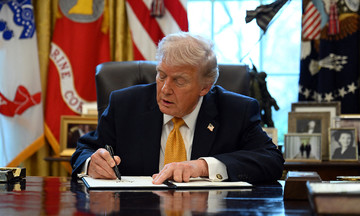
This assessment somewhat contradicts statements made by President Donald Trump when he, along with Israel, launched a campaign against Iran on 28/2. At that time, the White House chief accused Iran of pursuing nuclear ambitions and developing missiles capable of reaching the US, creating an imminent threat that compelled Washington to act.
Gabbard did not reiterate this assessment when speaking before the committee later. When Mark Warner, the leading Democratic senator on the committee, questioned her, the US director of national intelligence stated she did not have enough time to read the entire testimony during the session, but she did not deny the assessment. Warner later accused Gabbard of "deliberately omitting portions that contradicted the President".
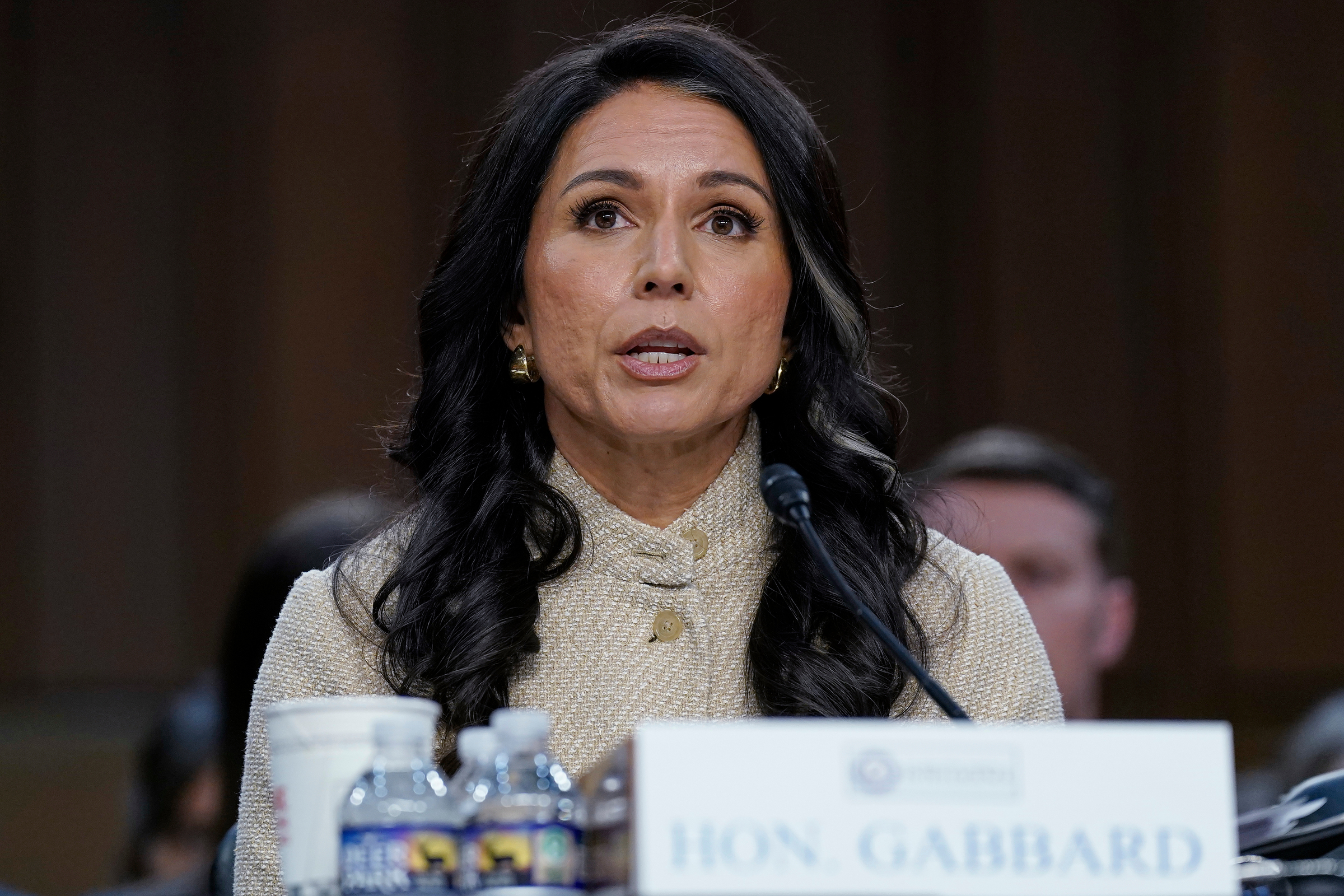 |
US Director of National Intelligence Tulsi Gabbard at a Senate hearing on 18/3. Photo: AP |
At the hearing, Gabbard stated Iran suffered severe blows after weeks of US and Israeli airstrikes, including the assassination of Supreme Leader Ali Khamenei and numerous political and military officials. "The US intelligence community assesses that the Iranian regime remains intact, but has been largely weakened," Gabbard said. "If a hostile regime persists, it is likely they will begin a multi-year effort to rebuild their military, missile, and unmanned aerial vehicle forces."
Gabbard also shared other assessments from the US intelligence community, including Russia gaining an advantage in the conflict in Ukraine. "US-led negotiation efforts are ongoing. Until an agreement is reached, Moscow is likely to maintain its offensive momentum," Gabbard said, also warning that the US would face a threat if an "escalatory spiral" occurred in Ukraine or elsewhere, leading to the risk of nuclear weapon use.
Nhu Tam (According to AFP, Reuters)