White House spokesperson Karoline Leavitt announced on 18/3 that President Donald Trump decided to waive the Jones Act for 60 days. This step aims to reduce short-term disruptions to oil markets as US forces continue Operation Terrifying Fury.
The Jones Act, also known as the Merchant Marine Act, was enacted by the United States in 1920. Its purpose is to promote and maintain the nation's commercial maritime industry. The law mandates that goods transported between US ports must be carried by vessels built in the United States, flying the US flag, and majority-owned by US entities. This regulation significantly reduces the number of oil tankers available for domestic transport but is supported by maritime labor unions.
This temporary waiver will permit foreign vessels to transport goods between US ports. This could help lower transportation costs and speed up delivery. However, analysts suggest the impact on retail gasoline prices may be insignificant.
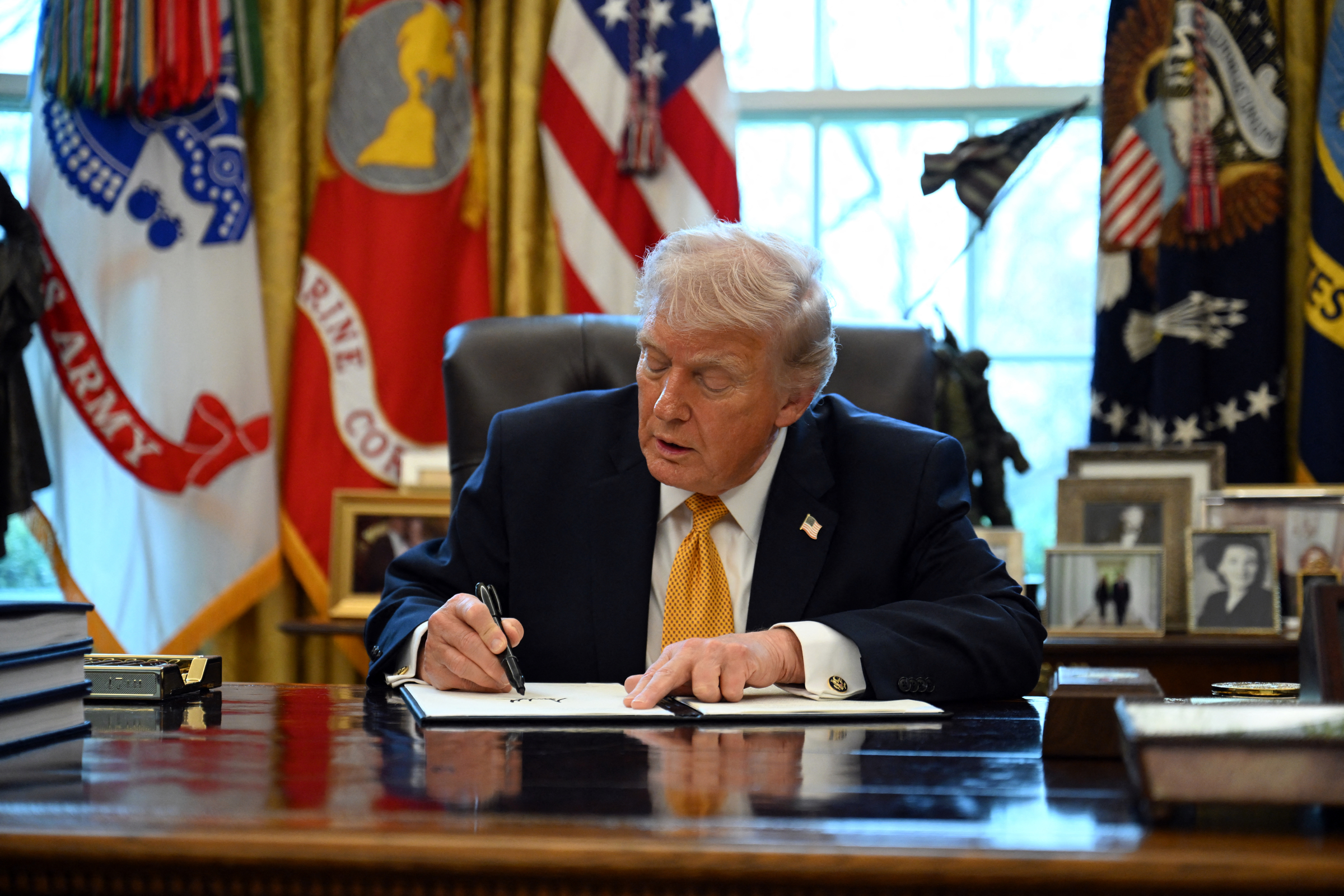 |
President Donald Trump signs an executive order at the White House on 16/3. Photo: AFP |
Leavitt stated that this measure will allow essential resources such as oil, natural gas, fertilizers, and coal to circulate freely to US ports for 60 days. She added that the administration remains committed to strengthening key supply chains.
This move comes as the US, Israel - Iran conflict enters its third week with no signs of de-escalation. In response, Tehran has blockaded the Strait of Hormuz, through which 20% of the world's oil supply passes. This has led to sharp increases in the prices of oil and refined petroleum products.
The United States has temporarily waived the Jones Act several times in the past. Examples include when Hurricane Maria devastated Puerto Rico in 2017 and when an energy pipeline was cyberattacked in 2021.
By Nhu Tam (AFP, Reuters)