NATO Secretary General Mark Rutte confirmed on 18/3 that alliance members are actively discussing strategies to reopen the strait of Hormuz. Speaking during a visit to alliance exercises in northern Norway, Rutte stated, "I have discussed the strait of Hormuz issue with many allies. All agree the strait must be reopened. What I know is that they are cooperating, discussing the best plan and way to do that". He added that they are "working together to find the next step", without providing further details.
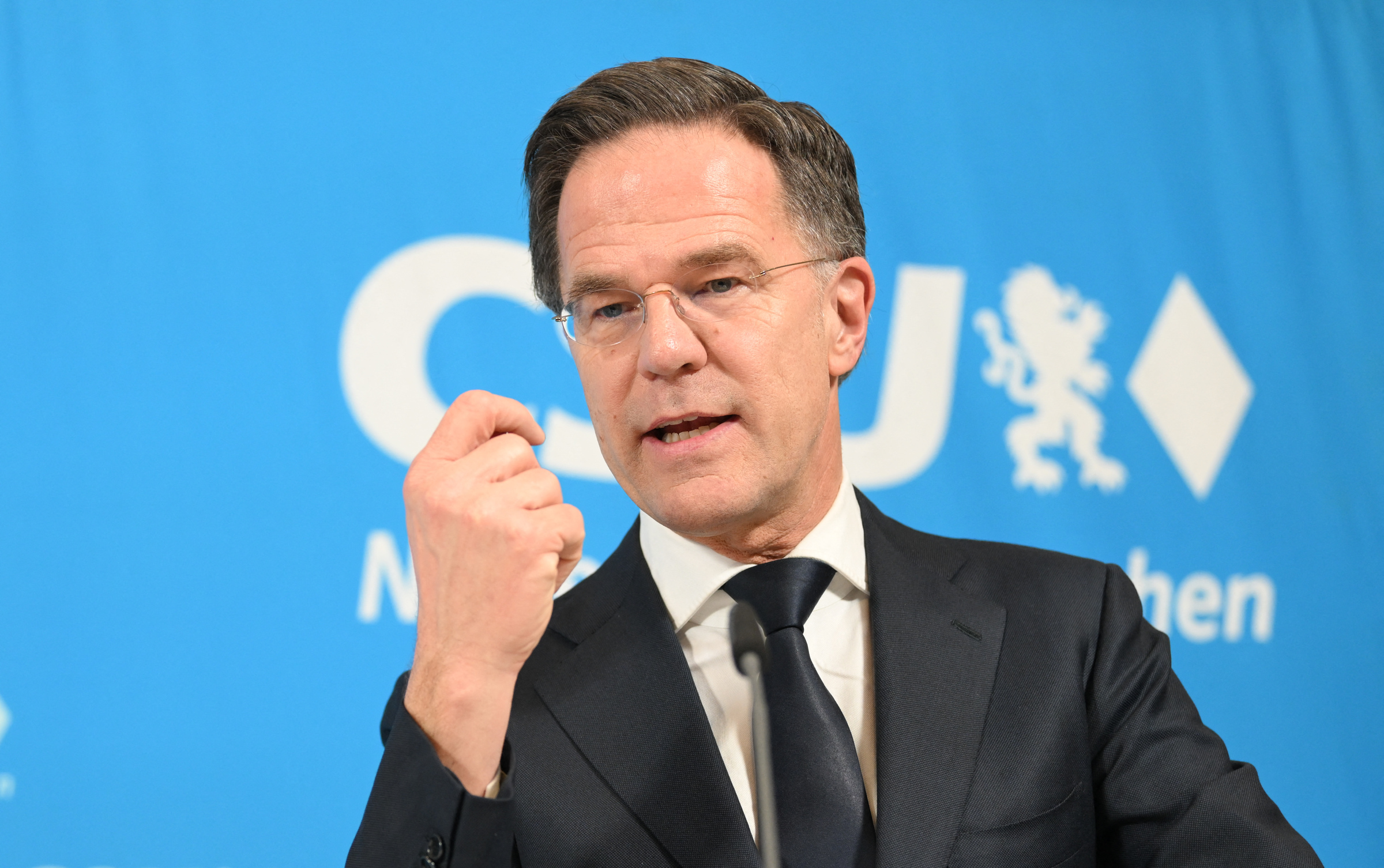 |
NATO Secretary General Mark Rutte speaks in Munich, Germany on 13/2. Photo: AFP |
NATO Secretary General Mark Rutte speaks in Munich, Germany on 13/2. Photo: AFP
The urgency stems from the ongoing Middle East conflict, which continues to impact global energy supplies. The strait of Hormuz, a critical waterway for 20% of the world's oil and liquefied natural gas shipments, remains almost completely blockaded. This situation has led to escalating energy prices and heightened concerns about inflation globally.
In response to the crisis, the International Maritime Organization (IMO) held an emergency meeting on 18/3 to address the Middle East situation. The IMO reported a significant halt in maritime activity around the strait, leaving nearly 20,000 seafarers and approximately 3,200 vessels stranded in these waters.
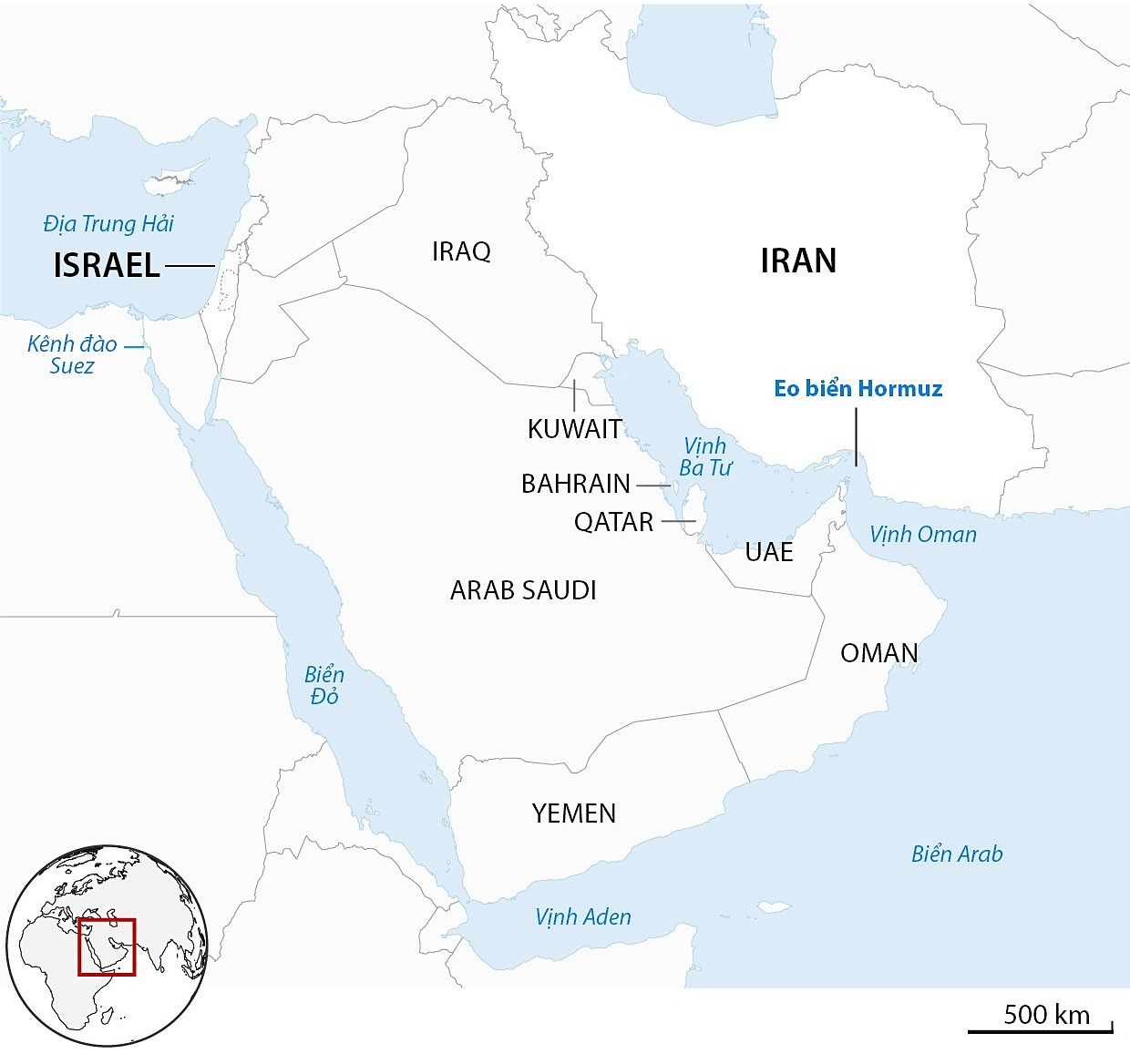 |
Location of the strait of Hormuz. Graphic: Guardian |
Location of the strait of Hormuz. Graphic: Guardian
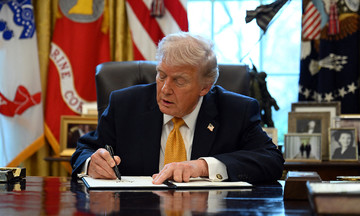
This development follows recent political tensions, including President Donald Trump's criticism that NATO was "very bad" and his suggestion that the US should reconsider its membership. Trump had previously claimed that most NATO allies were unwilling to support US efforts against Iran or to help reopen the strait of Hormuz, despite Washington's appeals.
Gulf and Western nations have strongly criticized Tehran for the situation. In response, Iranian officials assert that the current state of affairs is a consequence of "US-Israeli use of force and illegal military aggression". The Iranian delegation to the IMO stated, "Iran did not initiate this war". IMO Secretary General Arsenio Dominguez urged member states to focus on "practical solutions", calling the current situation "unacceptable and unsustainable". He emphasized, "Geopolitics is testing the shipping industry to its limits. Every time this industry becomes a victim in conflicts, the entire world suffers negative impacts".
As Tam (According to AFP and Reuters)