Both US and Iranian delegations have arrived in Islamabad, Pakistan, for critical negotiations aimed at resolving the ongoing conflict. The Iranian delegation landed on the night of 10/4, followed by the US delegation the next day. Pakistan is facilitating these high-stakes discussions, with officials from both sides expressing a mix of skepticism and a willingness to engage.
The Iranian delegation, led by Chairman of Parliament Mohammad Bagher Ghalibaf, arrived at an air force base near the capital Islamabad on the night of 10/4. They were welcomed by Pakistan's Chief of Army Staff Asim Munir. Other key members of the Iranian delegation included Foreign Minister Abbas Araqchi, Central Bank Governor Abdolnaser Hemmati, Secretary of the Supreme National Security Council Ali Akbar Ahmadian, and Foreign Ministry spokesperson Esmaeil Baghaei.
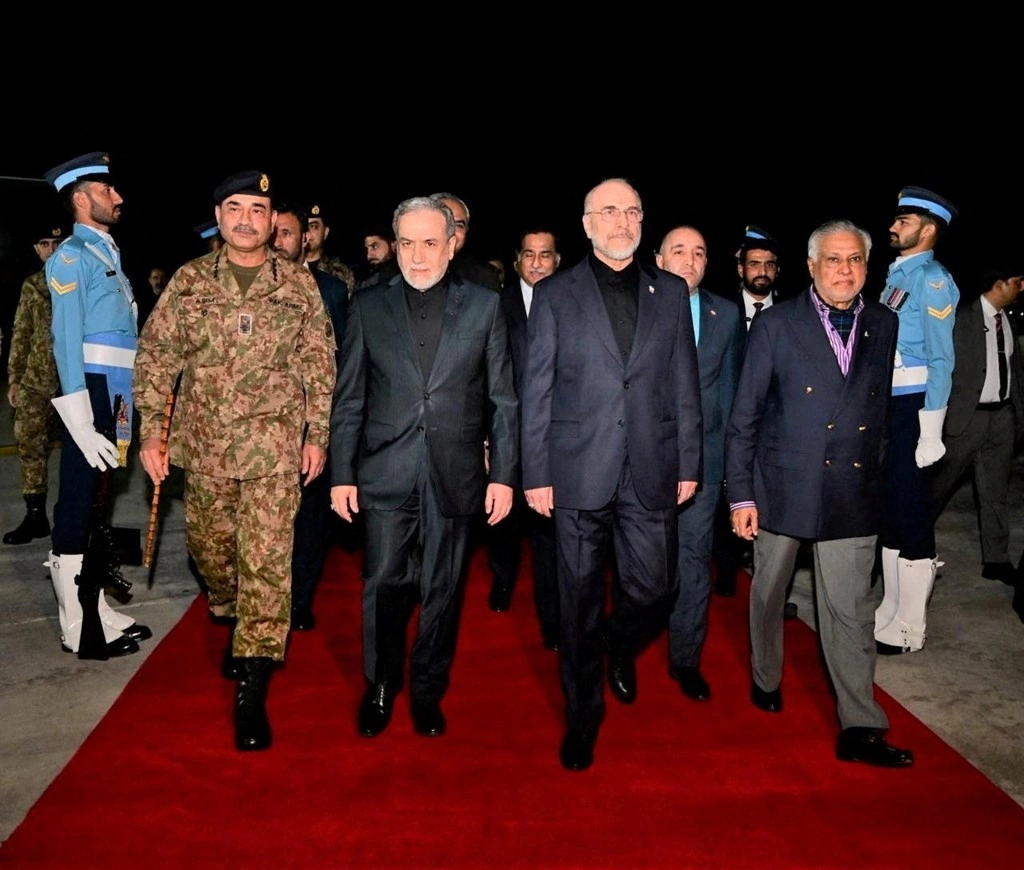 |
The Iranian delegation arrives at Islamabad airport on the night of 10/4. Photo: Pakistan's Foreign Ministry. |
The US delegation, comprising about 300 members and led by Vice President JD Vance, landed later at Nur Khan airbase. US envoy Steve Witkoff and President Donald Trump's son-in-law Jared Kushner had arrived earlier. General Munir also welcomed the US delegation at the airport. Vice President Vance's participation in the negotiations is considered a notable development, given his previously stated opposition to US military intervention in the Middle East.
Initial separate meetings were held with Pakistan's Prime Minister Shahbaz Sharif. According to Iran's Tasnim news agency, the Iranian delegation met with Prime Minister Sharif at 1 p.m. (3 p.m. Hanoi time). Prime Minister Sharif is also scheduled to meet separately with the US delegation to exchange messages. Negotiations are set to begin at the Serena Hotel in Islamabad from the afternoon of 11/4, provided the US side accepts the conditions put forth by Iran.
Despite the preparations, both sides currently harbor many disagreements and doubts. "We have goodwill, but no trust," Ghalibaf stated after landing. On the US side, Vice President Vance indicated that Washington is prepared for dialogue if Iran demonstrates genuine goodwill. "We are ready to extend a hand if Iran wants serious negotiations," he said before departing the US, cautioning that if the Iranian side lacks goodwill, the US delegation will not make concessions.
Pakistan is playing a crucial mediating role in these discussions. Foreign Minister Ishaq Dar, who has been involved in shuttle diplomacy throughout the conflict, is expected to directly coordinate the negotiations. He urged both parties to engage in dialogue "constructively," reaffirming Islamabad's desire to act as a mediator to help the sides move towards a lasting, sustainable solution. According to the plan, the US and Iranian delegations will be seated in two separate rooms, with Pakistani officials responsible for relaying messages between the two sides. The Serena Hotel, the city's largest, located near Pakistan's Foreign Ministry within the Red Zone, is hosting the delegations.
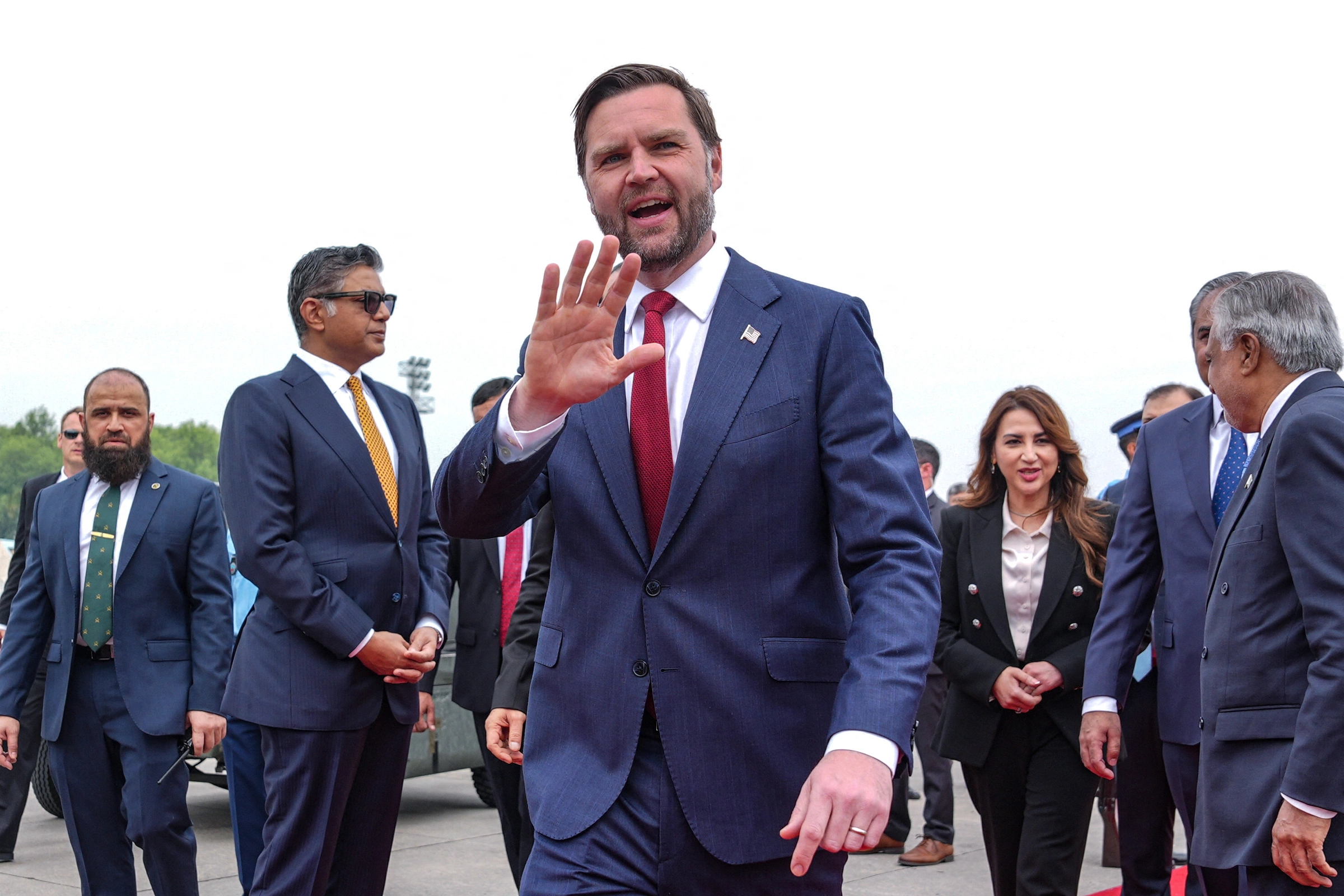 |
Vice President JD Vance (center) lands in Islamabad, Pakistan, on 11/4. Photo: AFP |
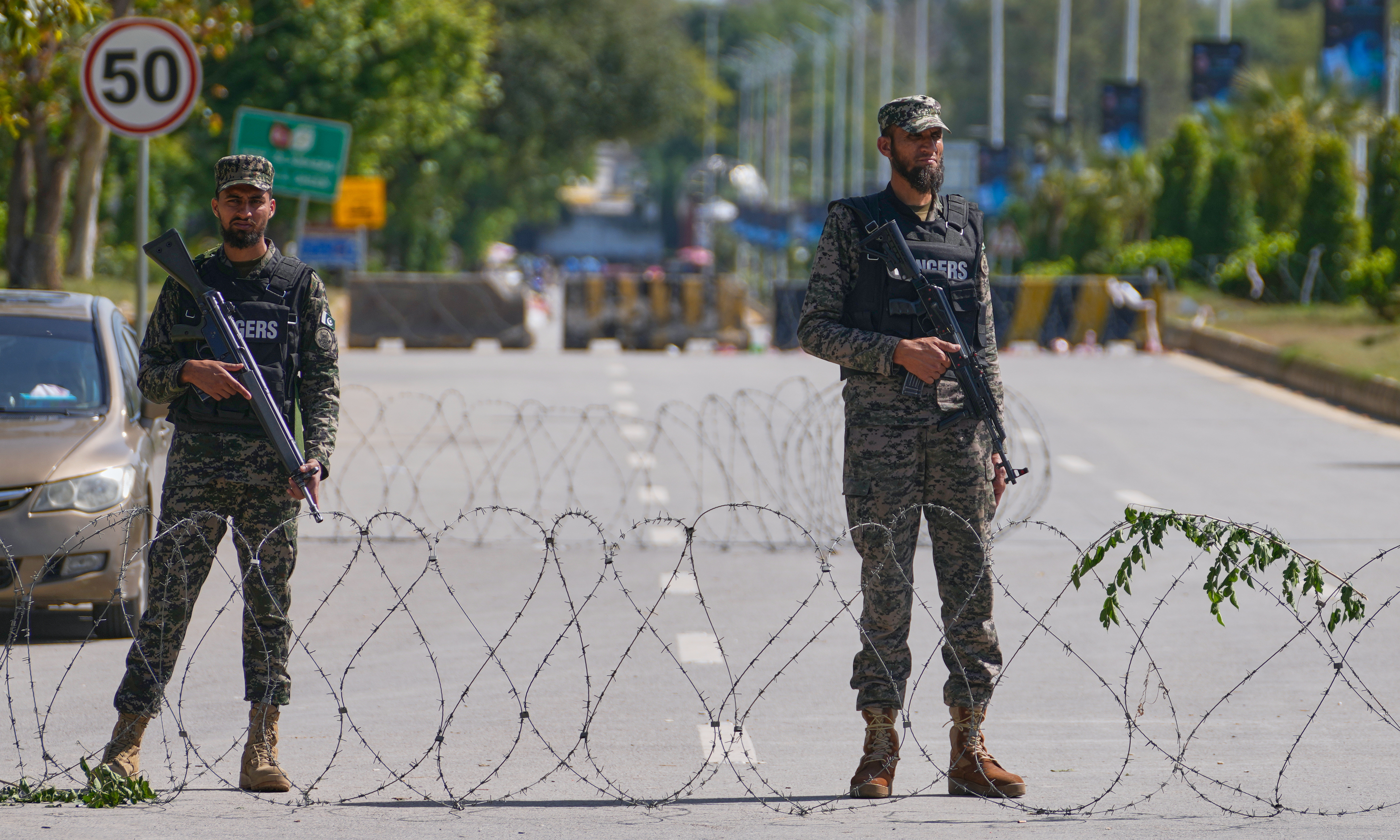
Pakistan's Prime Minister Sharif, who played a pivotal role in bringing the two sides back to the negotiating table, acknowledged the difficult path ahead, emphasizing that this is a "moment that could determine success or failure." The exact start time for the main negotiations remains unclear. Security in Islamabad has been significantly tightened, with police and military forces extensively deployed. Many roads around the Red Zone and the Serena Hotel have been blocked.
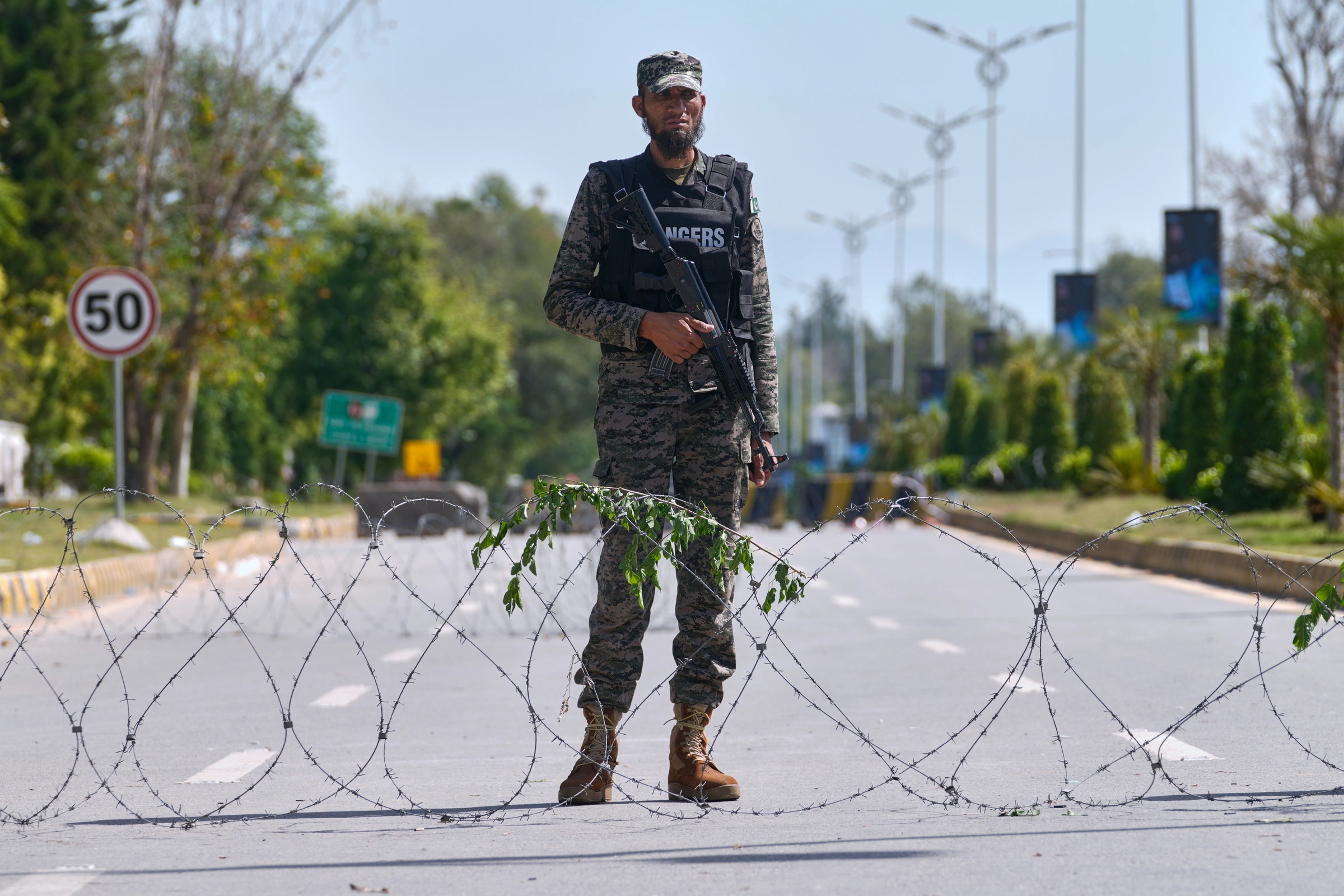 |
Pakistani soldiers stand guard at a checkpoint outside the US-Iran negotiation venue in Islamabad. Photo: AP |
Duc Trung (According to *AFP*, *AP*, *Reuters*)