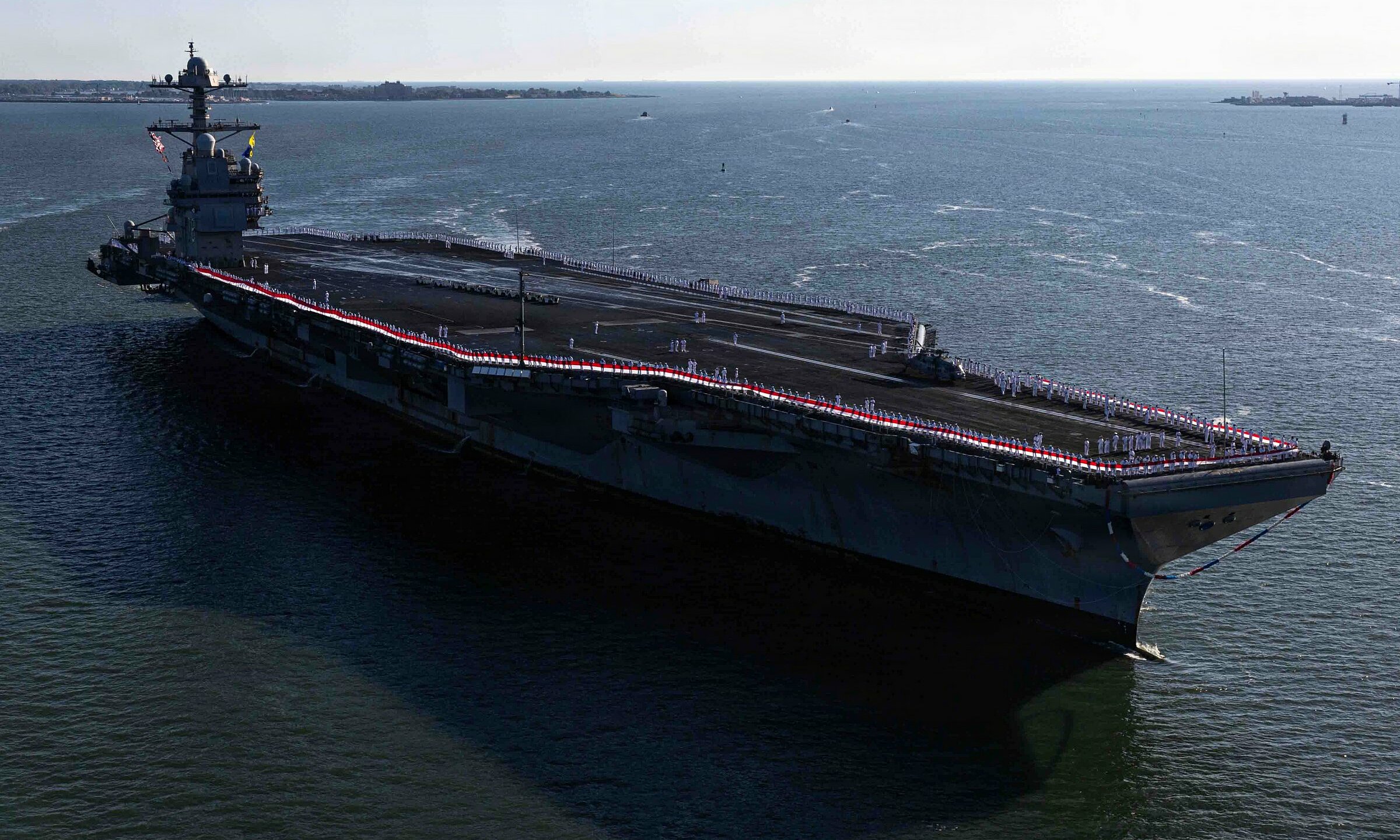
According to a 6/4 report by the U.S. Naval Institute's (USNI) USNI News, the U.S. Navy's fiscal year 2027 budget proposal to the Pentagon includes a request for Congress to approve the purchase of 540 SM-6 air defense missiles, totaling $4.33 billion. This represents approximately a three-fold increase compared to the 166 missiles approved one year prior.
The Navy is also seeking $3 billion to acquire 785 Tomahawk cruise missiles, a more than 14-fold rise from the 55 missiles approved in fiscal year 2026. Additionally, the U.S. Navy has proposed purchasing 494 AIM-120 AMRAAM medium-range air-to-air missiles for $804 million, along with 141 Mark 48 heavy torpedoes valued at $571 million.
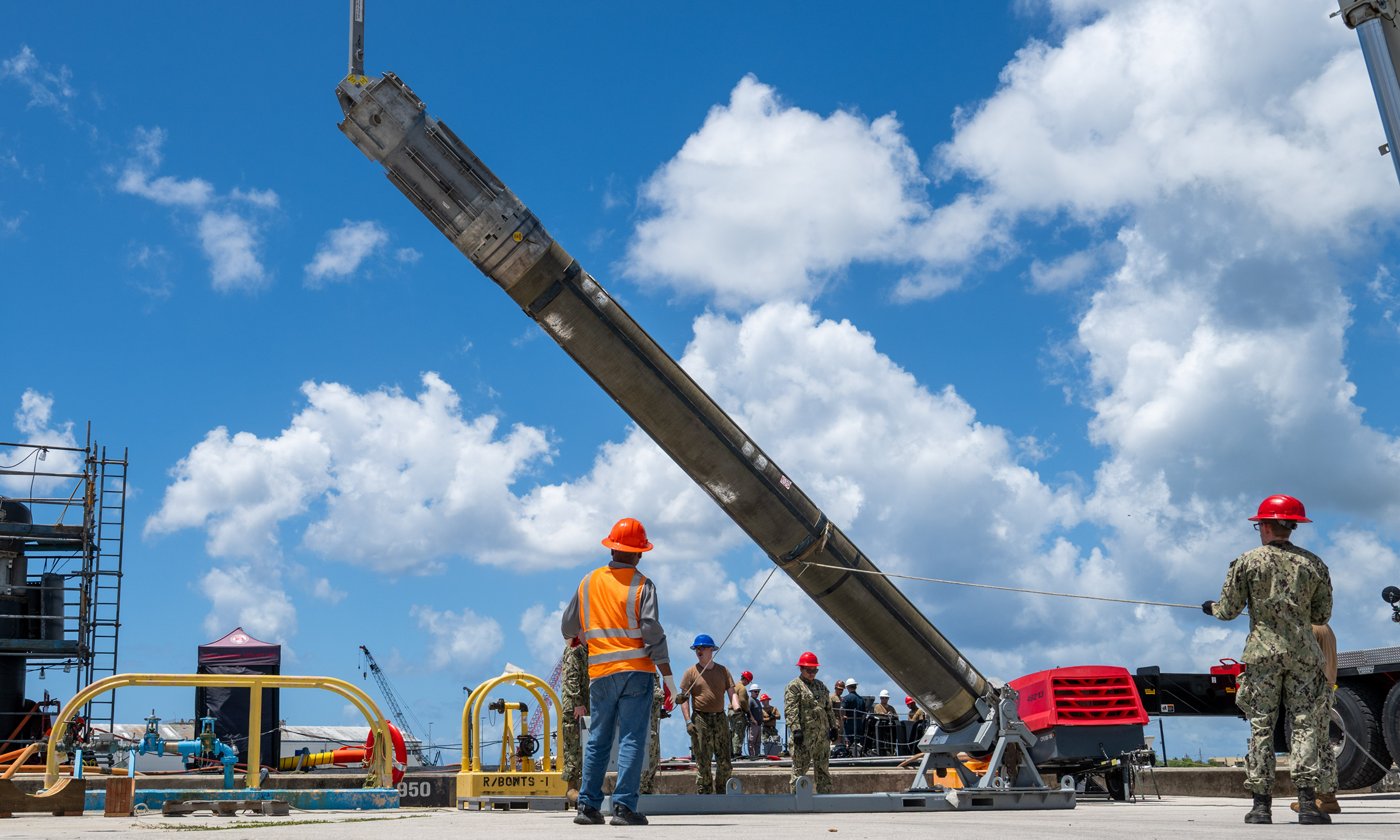 |
TOMAHAWK missiles are loaded onto the USS Jefferson City submarine in Guam in 6/2025. Photo: US Navy
Most of the Tomahawk and SM-6 missiles will be included in a second federal budget reconciliation bill, allowing the U.S. Navy to spread out procurement over several years.
Tomahawk cruise missiles boast a range of 1,600-2,500 km, depending on the variant. They can be launched from the Mark 41 vertical launch system found on various U.S. Navy surface ships and submarines. The SM-6 is a primary air defense missile for the U.S. surface fleet, also capable of anti-ship missions in certain scenarios.
Both the SM-6 and Tomahawk are among the most expensive and complex munitions to manufacture in the U.S. military's arsenal.
The U.S. Navy's proposal for a large quantity of missiles comes amidst concerns that the force is expending too many weapons in Middle East conflicts. This depletion of stockpiles could put the U.S. at a disadvantage in efforts to counter peer adversaries.
U.S. military deploys fighter jets, launches missile attacks on Iran on 28/2. Video: CENTCOM
The Center for Strategic and International Studies (CSIS) estimated that by the end of 3, the U.S. Navy had fired approximately 850 Tomahawk missiles in conflicts involving Iran. This represents the largest number of Tomahawk missiles launched in a single conflict since the 1991 Gulf War.
Todd Harrison, a senior expert on defense spending at the American Enterprise Institute, noted that Washington needs to acquire large quantities of Tomahawk and SM-6 missiles. However, he stated that the domestic defense industry currently lacks the capacity to meet such significant demand in a short timeframe.
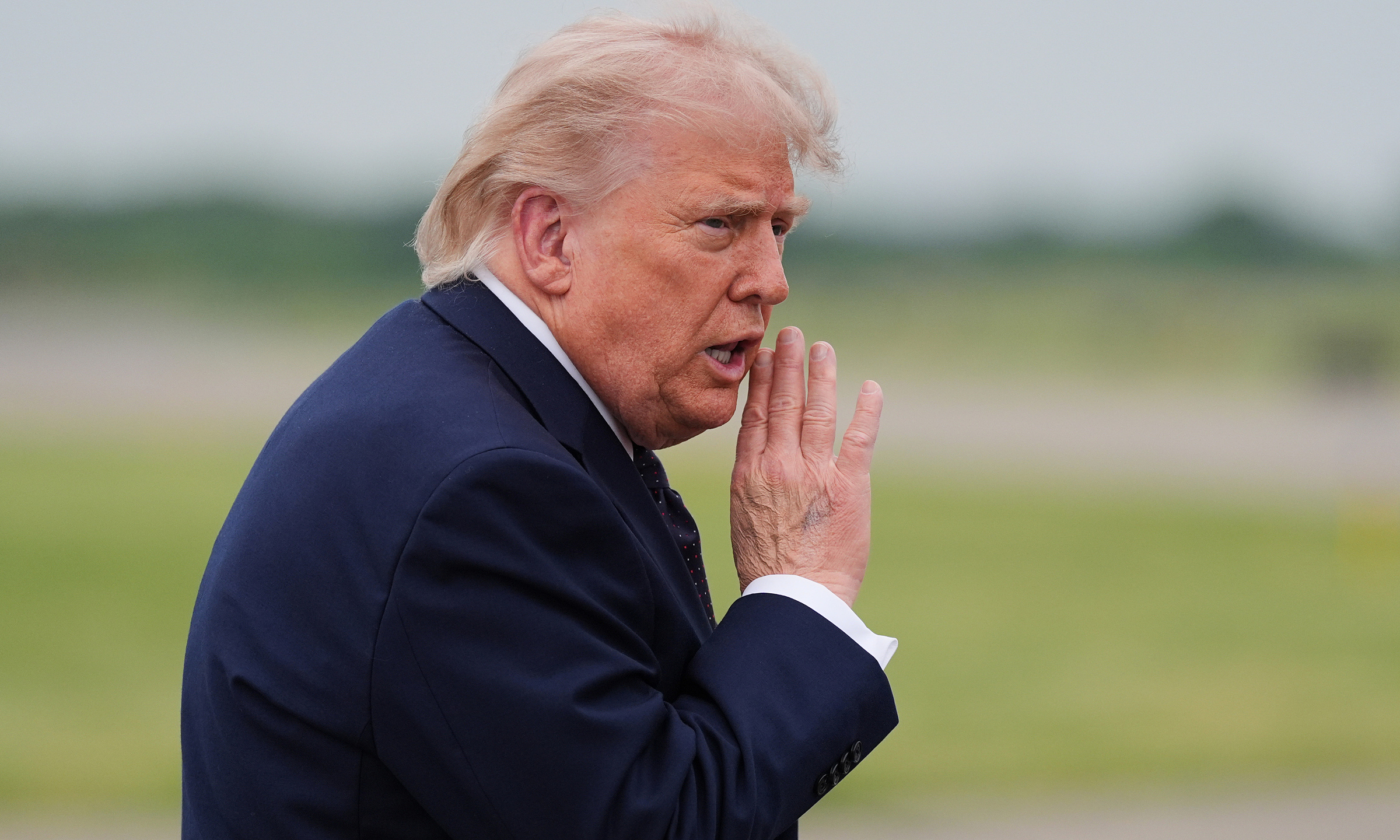
Harrison suggested that President Donald Trump's administration aims to spread out procurement by including most of the missiles in the federal budget reconciliation bill, deeming this a more feasible approach. "Essentially, they are front-loading money for ammunition", he explained.
Pham Giang (According to USNI News)