On 6/8/2020, Michael Arena, then 29, a police officer in Ventnor, New Jersey, and his colleagues responded to a report of an injured man showing signs of distress.
The individual needing assistance was Amir Johnson, 30, from Pennsylvania. He held a broken glass shard, repeatedly asking officers to shoot him. Johnson eventually charged at the police despite their attempts to de-escalate the situation, leading three officers to open fire to eliminate the threat.
Johnson's death sparked controversy due to the social climate at the time. All three Ventnor officers were white, while Johnson was Black. The incident occurred amidst the Covid-19 pandemic, a period of heightened public tension, and widespread protests following George Floyd's death at the hands of a Minneapolis police officer. A grand jury later decided not to prosecute the three officers.
"I felt like they were treating him like a monster", Kayla Drevenak, Johnson's ex-wife, told a local news outlet in 2022. She called Johnson's death a profound shock, fearing their 5-year-old son would grow up hating the police.
For Arena, the fateful shooting plunged the young officer into a prolonged spiral of insomnia, obsession, anger, and depression. At one point, he had to take 9 different medications and felt like a walking zombie.
"I didn't want that to happen. It was truly difficult to see myself start to spiral", Arena said.
He decided to leave the force, relocate to Florida, and began assisting colleagues who suffered psychological trauma after on-duty shootings.
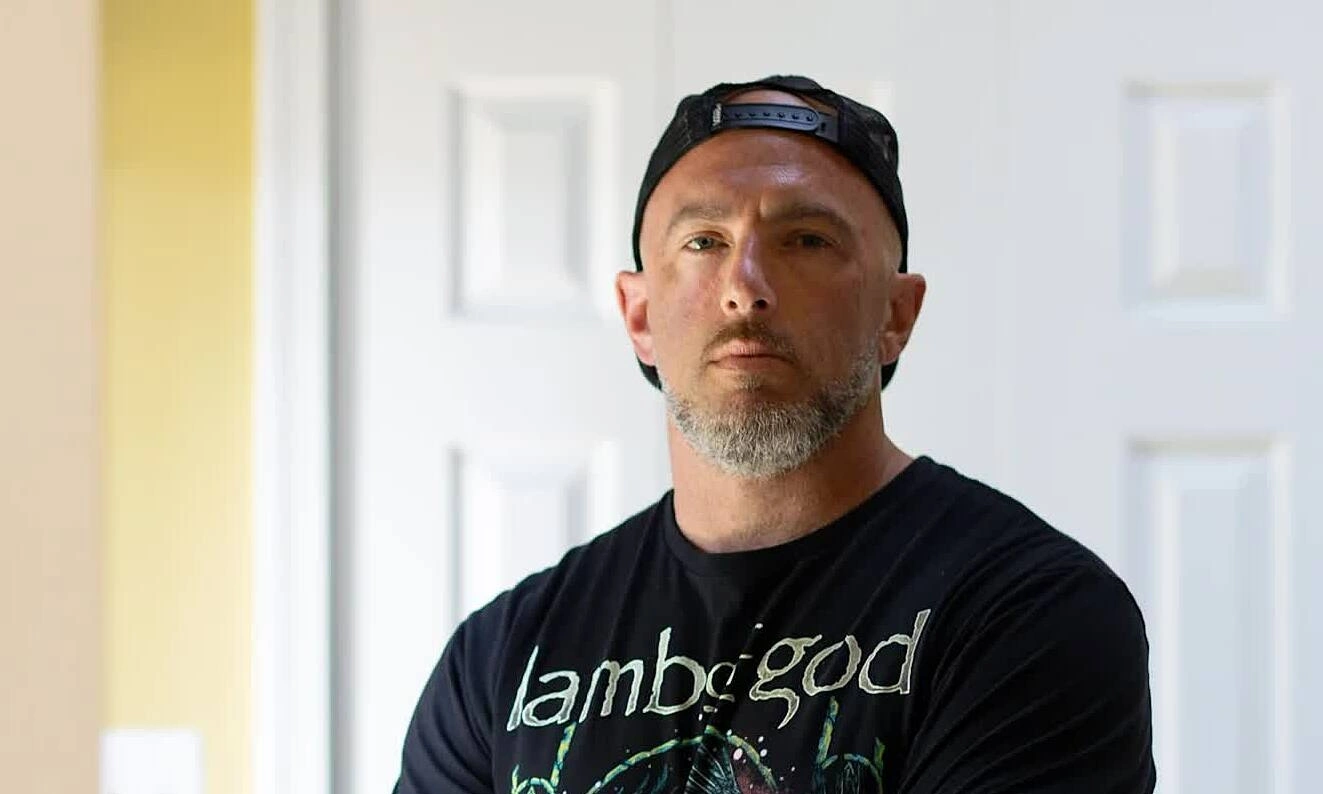 |
Former police officer Ryan Valeri at his home on 13/8/2025, retired due to psychological injury after a shooting in 2023. Photo: NJ |
In New Jersey, since 2019, nearly 10 fatal police shootings occur each year. At least 64 officers have retired early due to psychological trauma following such incidents. These 64 cases alone cost the state 4.9 million USD annually in pension payments.
The cost to replace personnel is estimated at approximately 125,000 USD per officer, in addition to thousands of dollars in overtime that cities must pay to compensate for staffing shortages over many months.
Donald Smith, 52, a former officer in Brick, faced similar difficulties to Arena. In 2017, he shot and killed a 32-year-old man who was firing at police. The incident occurred during a response to a domestic violence call.
Authorities determined the shooting was justified self-defense, but Smith consistently felt insecure. He told his police chief that he might become a burden to his colleagues if he returned to duty. "I feel like that morning, I used up all my luck in this profession", Smith said.
However, Smith considered himself fortunate because his career was nearing its end, and the shooting was not controversial. His nightmares also disappeared after he retired in 4/2019.
Ryan Valeri, Smith's friend and former colleague, experienced a shootout in 2023. He did not fire any shots during the confrontation, but a bullet grazed his head.
Valeri said the near-death experience left him in a constant state of tension, startled by small noises, and always fearful of potential harm. Valeri's 18 years in the force ended with the fear that he would be a burden to his team if he returned to work.
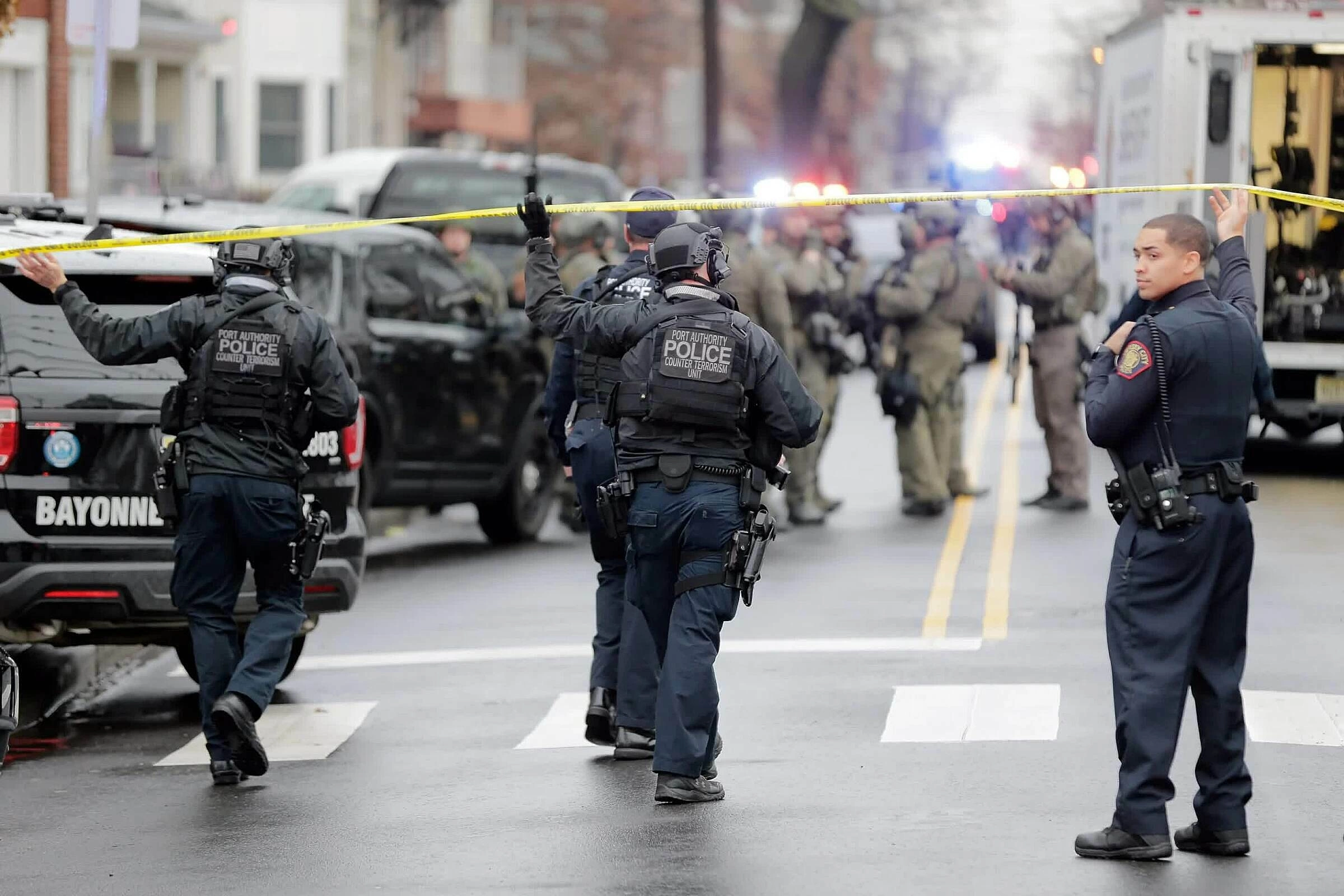 |
Police at the scene after receiving a report of a shooting in Jersey City, New Jersey, on 10/12/2019. Photo: AP |
John Shjarback, a professor of justice studies at Rowan University, explained that US police officers constantly face psychological pressure to avoid killing, even when that outcome is not always preventable. Officers often confront armed individuals and imminent danger. The profound psychological consequences experienced by Arena and Valeri highlight the effort to avoid deadly confrontations when possible.
According to the Washington Post database for the 2015-2024 period, US police average about 1,000 fatal encounters each year.
Stephanie Samuels, a therapist who has counseled over 100 officers involved in shootings, noted that many experience nightmares, overreact to sounds, endure outbursts of anger, and obsess over images or smells that recall the encounter. Many cases require at least 8 months, or even longer, before officers can consider returning to work. Some collapse under the pressure and leave the force.
The US Department of Justice and the Federal Bureau of Investigation (FBI) have repeatedly warned about the mental health burden in police work. Lewis Schlosser, a psychologist working with law enforcement in New Jersey, described the experience of a fatal shooting as an "unhealable scar" for officers.
Some officers never overcome the trauma, leading them to take their own lives years later. This is part of a "suicide pandemic" within police ranks nationwide.
In recent years, police departments have adopted recovery programs and encouraged officers to speak out about their work-related trauma. New Jersey authorities have invested heavily in efforts to reduce shootings, emphasizing de-escalation training and collaboration between police and mental health professionals to handle crisis situations.
Ha Linh (According to NJ, Washington Post)