According to an announcement on the White House website on the evening of 16/10, President Donald Trump signed an executive order to suspend new sanctions targeting Russia. These sanctions were part of a law passed by the US Congress last month. He also informed Congress that this action served the national interest.
"As more fully detailed in Section 4 of the order, I have determined to waive the imposition of sanctions, restrictions, and tariffs specified in the Graham Act", the executive order stated.
The White House has not yet provided a specific explanation for how suspending sanctions on Russia serves US national interests.
 |
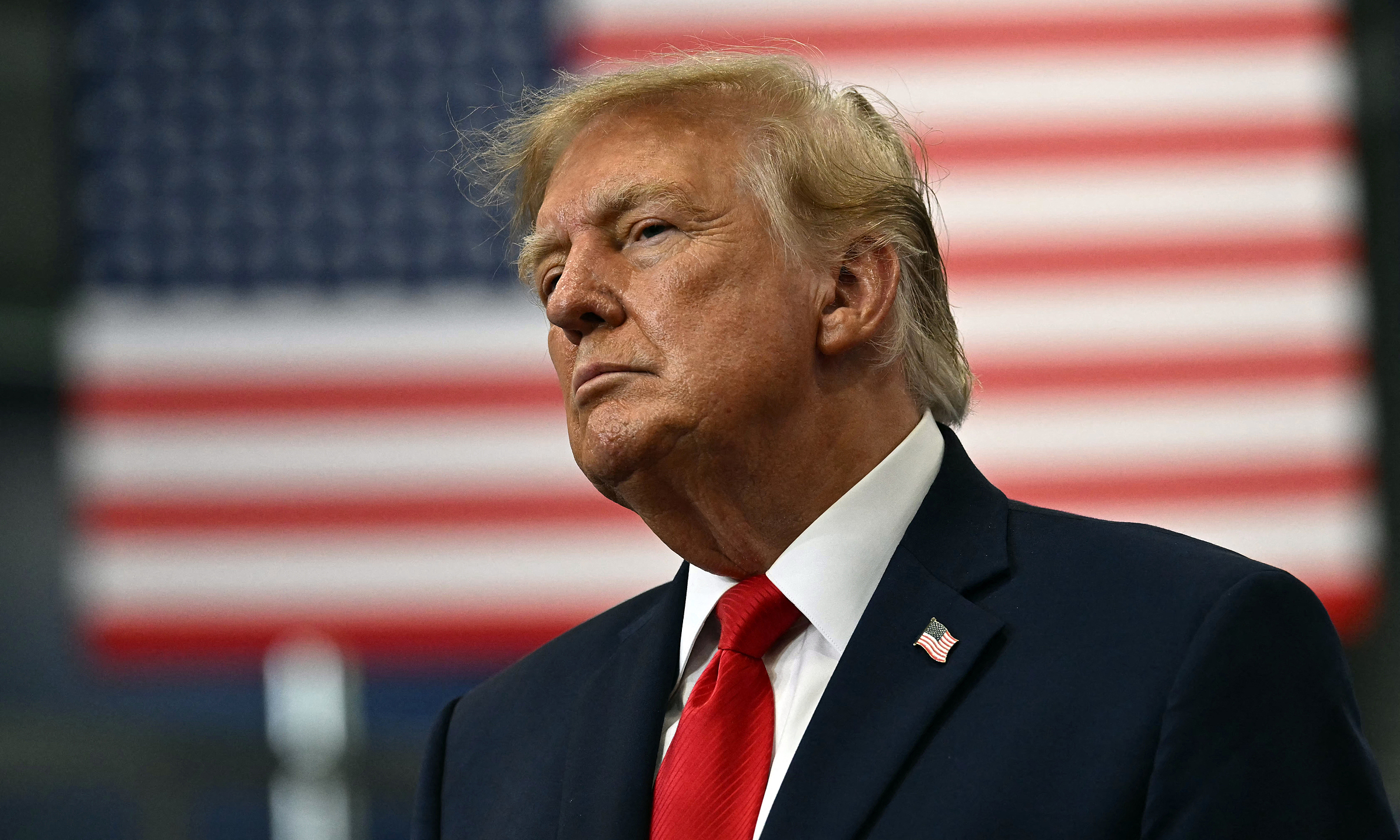
US President Donald Trump at Joint Base Andrews, Maryland on 16/10. Photo: AFP |
The sanctions law, passed by the US Congress and signed by President Trump in September, allows for the application and expansion of statutory sanctions, tariffs, and prohibitions against Russia. It also extends existing sanctions against Iran.
The act was named after Senator Lindsey Graham, who passed away in July. He had spent over a year campaigning for support for the sanctions package.
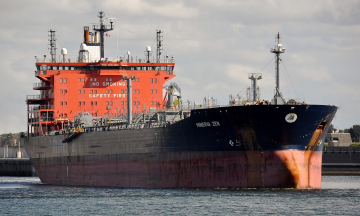
The act targeted Russia's energy and defense industries, President Vladimir Putin, and numerous senior officials. It also aimed at the "shadow fleet", believed to be used by Moscow to circumvent Western sanctions.
This new round of sanctions also targeted foreign companies and entities accused of supporting the Russian military, and expanded Iran-related sanctions. Furthermore, it granted President Trump the authority to impose tariffs of up to 100% on key countries buying oil and gas from Russia, aiming to cut off financial revenue for the military campaign in Ukraine.
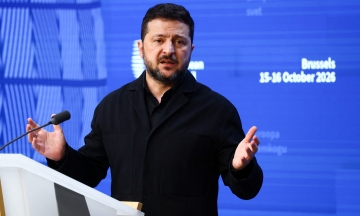
At the time, Ukrainian President Volodymyr Zelensky thanked his counterpart, President Trump, for signing the law, which Zelensky called a "particularly important legal document". He also extended gratitude to US lawmakers for their support.
 |
Smoke rising from an oil refinery in Moscow, Russia after an attack on 20/9. Photo: Reuters |
On 9/10, the US president announced that Russia had agreed to immediately supply over 300,000 tons of diesel fuel to the US and global markets. An additional 4,5 million tons would follow from November, depending on refinery conditions. This move came as US diesel prices surged to near record levels, potentially disadvantaging the Republican Party ahead of the midterm elections.
Zelensky and some Western leaders opposed the Trump administration's decision, viewing the deal as a "gift" to President Putin. The Ukrainian president also expressed feeling "betrayed" and ordered the resumption of attacks on Russian energy infrastructure.
"The diesel deal signals Trump's willingness to tip the scales in Russia's favor", observed Constant Meheut, a New York Times commentator. The diesel volume sold by Russia, equivalent to 7,5 million barrels, could generate approximately 4 billion USD, with a portion likely funding the campaign in Ukraine.
Huyen Le (According to AFP, New York Times, AP)