


Following BYD's launch of its second-generation Blade battery and Flash Charging 2.0 system on March 5, consumer interest surged across China. A dealership in Shandong experienced a dramatic increase in visitors and test drive requests as local residents flocked to experience the technology.
According to CarNewsChina, this battery and charging system aims to directly address performance issues. The second-generation Blade battery significantly improves both energy density and charging speed compared to its predecessor.
Under ideal conditions, the system can charge from 10%-70% in about 5 minutes and from 10%-97% in approximately 9 minutes. Even at -30 degrees Celsius, a 20%-97% charge can be completed in about 12 minutes, a significant improvement over the previous generation's cold-weather performance.
To support these charging speeds, BYD is implementing a nationwide ultra-fast charging strategy. The company plans to deploy 20,000 high-power charging stations by the end of 2026. This includes partnerships with existing operators and locations along highways to ensure broader coverage and facilitate ultra-fast charging for compatible vehicles.
In Shandong province, customers flocked to a local BYD 4S store after news of the new battery's winter charging capability spread, creating a busier-than-usual scene. Sales staff reported customers asking detailed questions about the battery's performance and charging speed in cold weather, with long lines forming for test drives and vehicle viewings. Temperatures in Shandong this week ranged from 4-15 degrees Celsius.
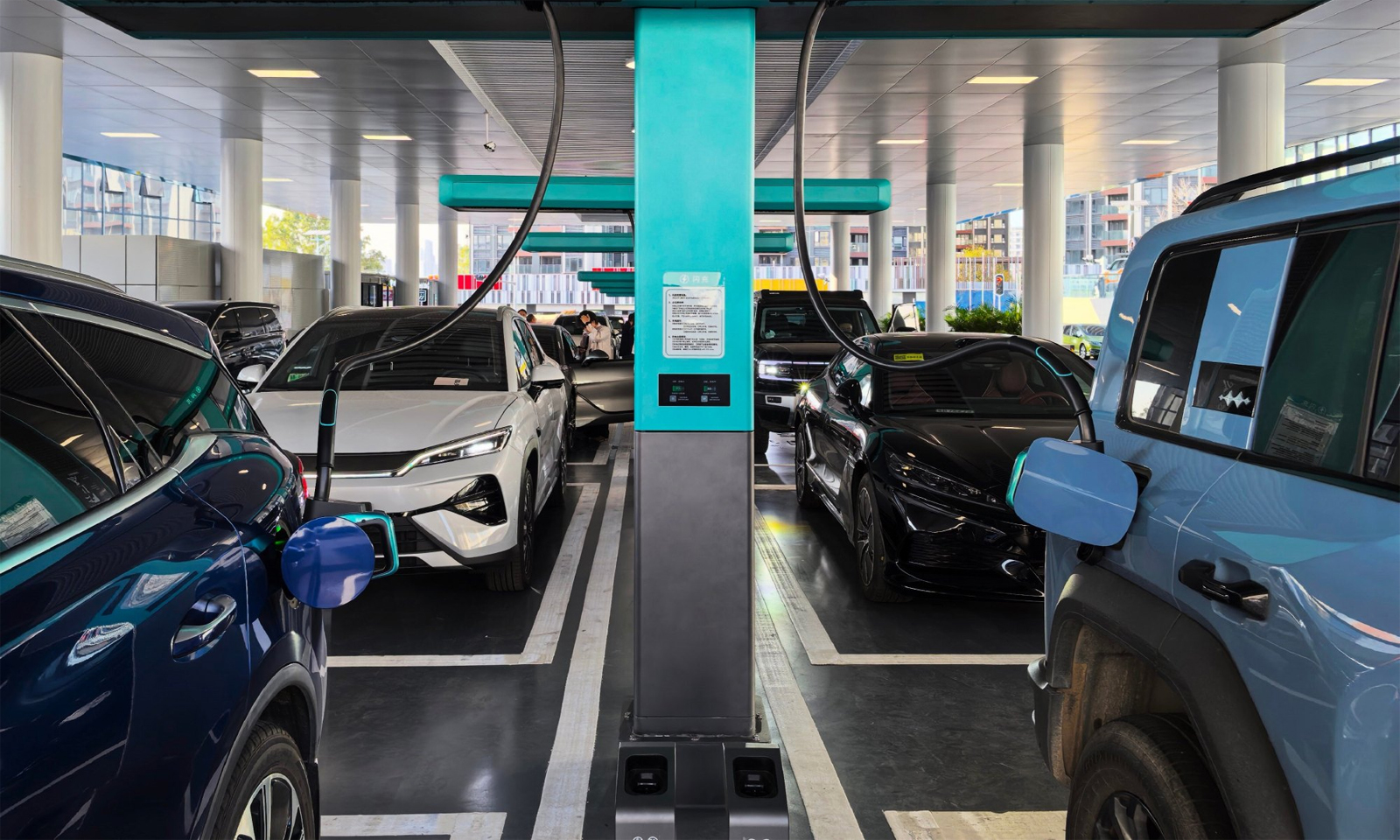 |
Electric vehicles charging at a BYD fast charging station. Photo: Weibo |
Dealership sources attributed the increase in visitors to social media and local media reports on the Blade Battery 2.0 launch. These reports prompted consumers to evaluate the technology firsthand, especially in an area where winter driving conditions often challenge electric vehicle charging performance.
BYD's fast charging initiative could help the automaker surpass traditional battery swap networks. It achieves this by deploying a large network of high-power charging stations integrated with existing charging infrastructure.
The combination of all-temperature fast charging capability and expanded fast charging infrastructure could play a crucial role in overcoming BYD's recent sales slowdown. Broad consumer acceptance of the Blade Battery 2.0 system may strengthen confidence in BYD's strategy as the company faces cost pressures, nationwide infrastructure deployment, and competition in China's evolving electric vehicle market.
My Anh





