At the launch event on the morning of 24/4, Geely displayed the vehicle at an independent tech ecosystem booth alongside its Geely Afari Smart Driving (G-ASD) 4.0 intelligent driving platform.
Unlike many current test vehicles, this prototype, named Eva Cab, was developed from the ground up rather than being adapted from an existing production model. The Eva Cab is built on Geely's level 4 AI digital architecture and integrates the World Action Model (WAM) with level 4 autonomous driving capabilities.
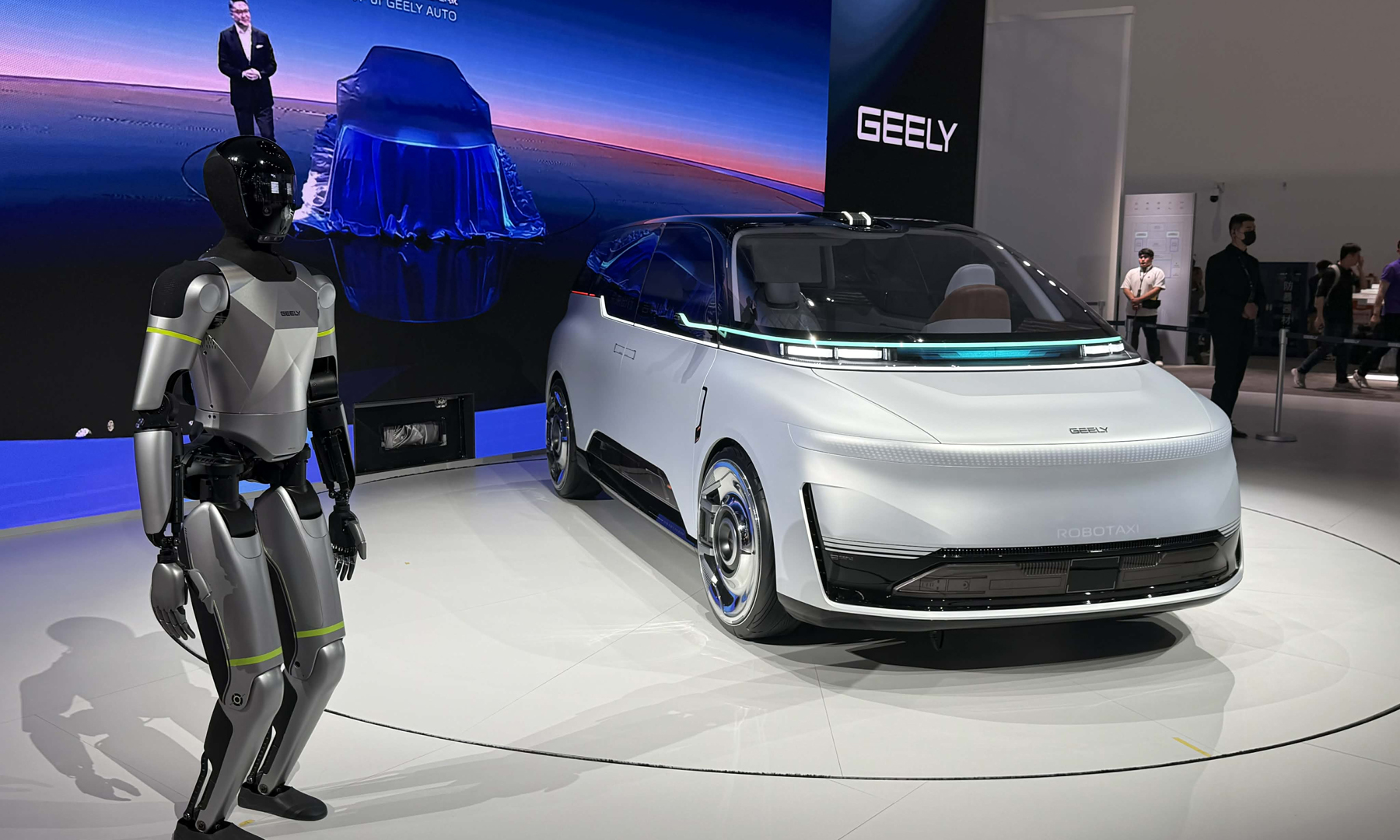 |
The robotaxi is the only vehicle in Geely's display area. Nguyen Vu
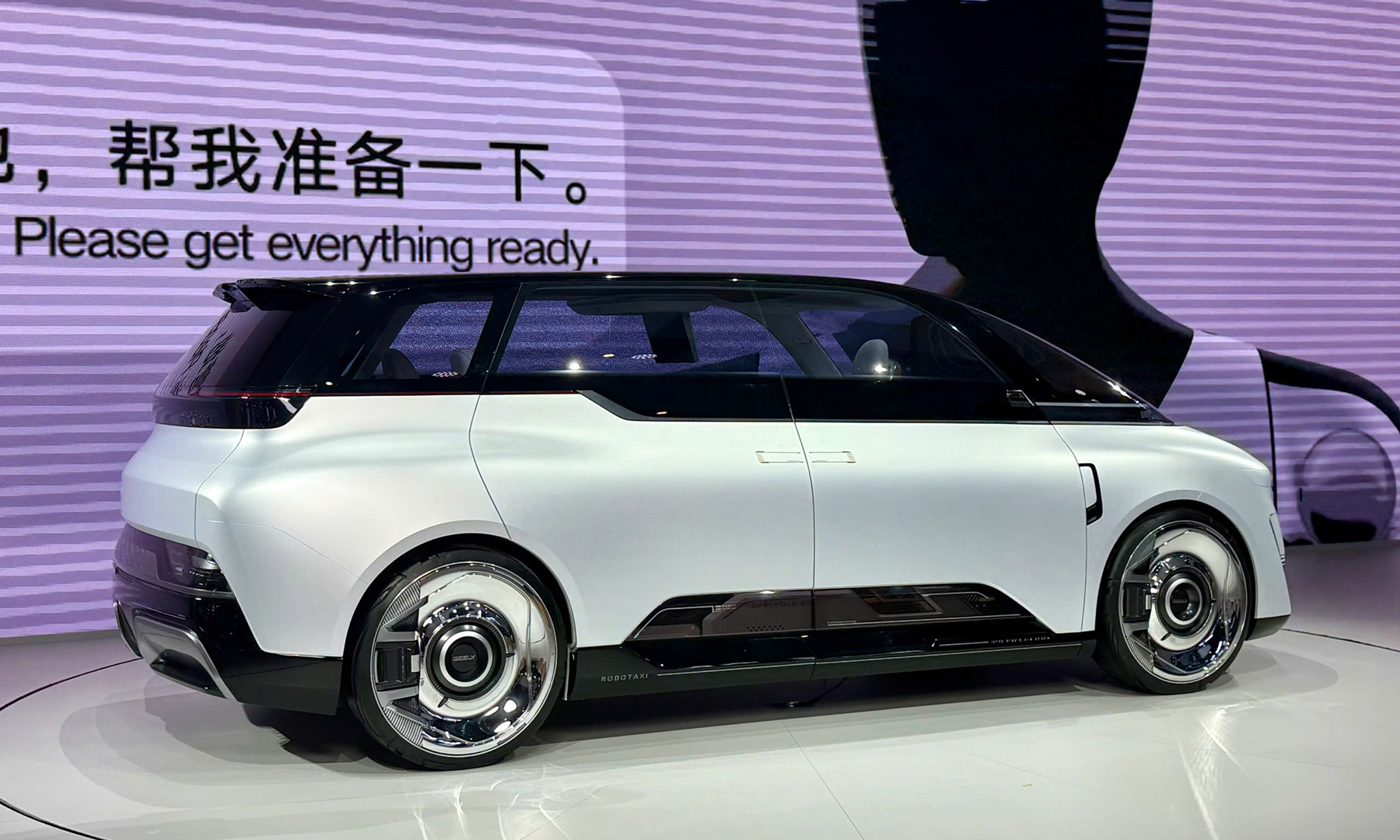 |
The vehicle features reverse-opening doors.
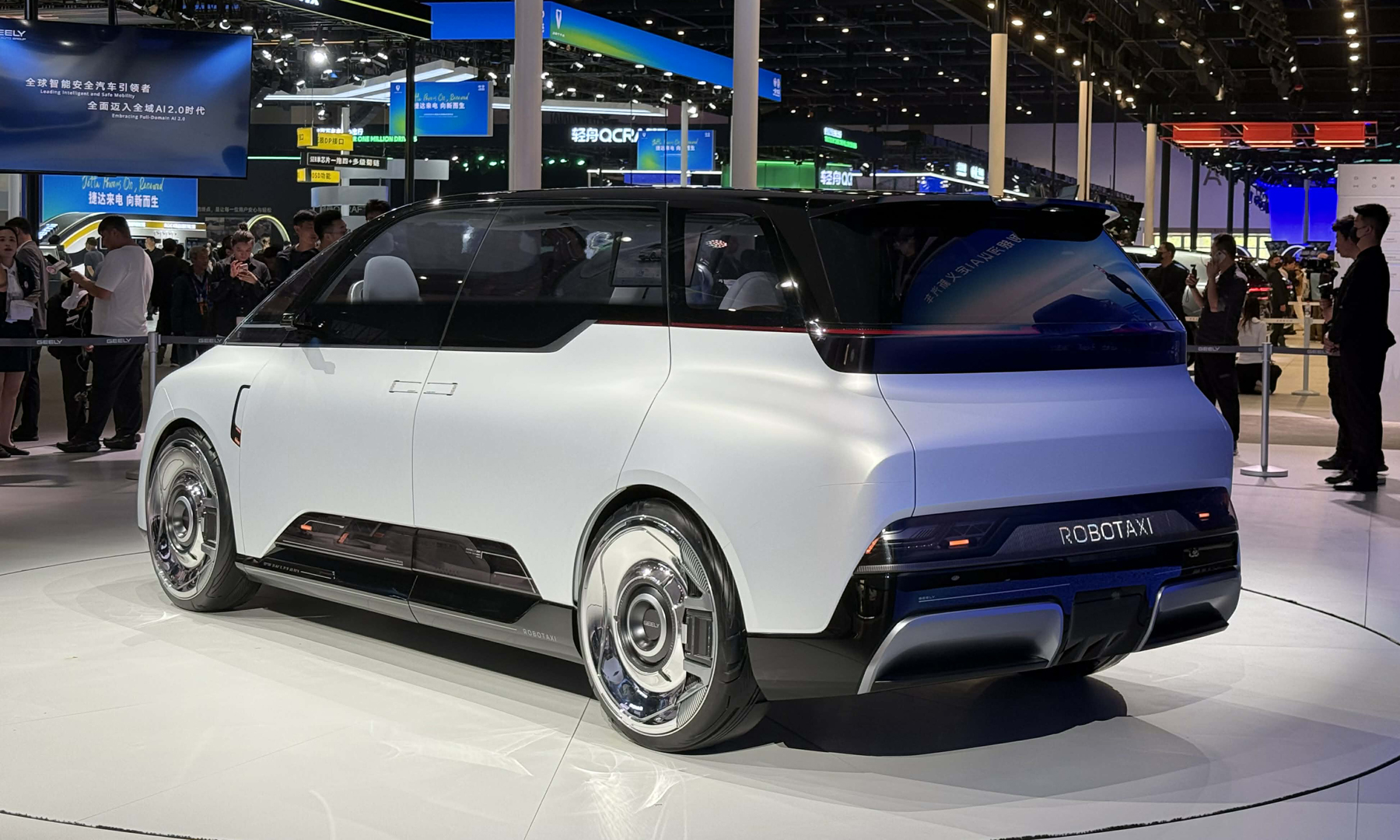 |
Eva Cab is built on Geely's level 4 AI digital architecture and integrates the World Action Model (WAM).
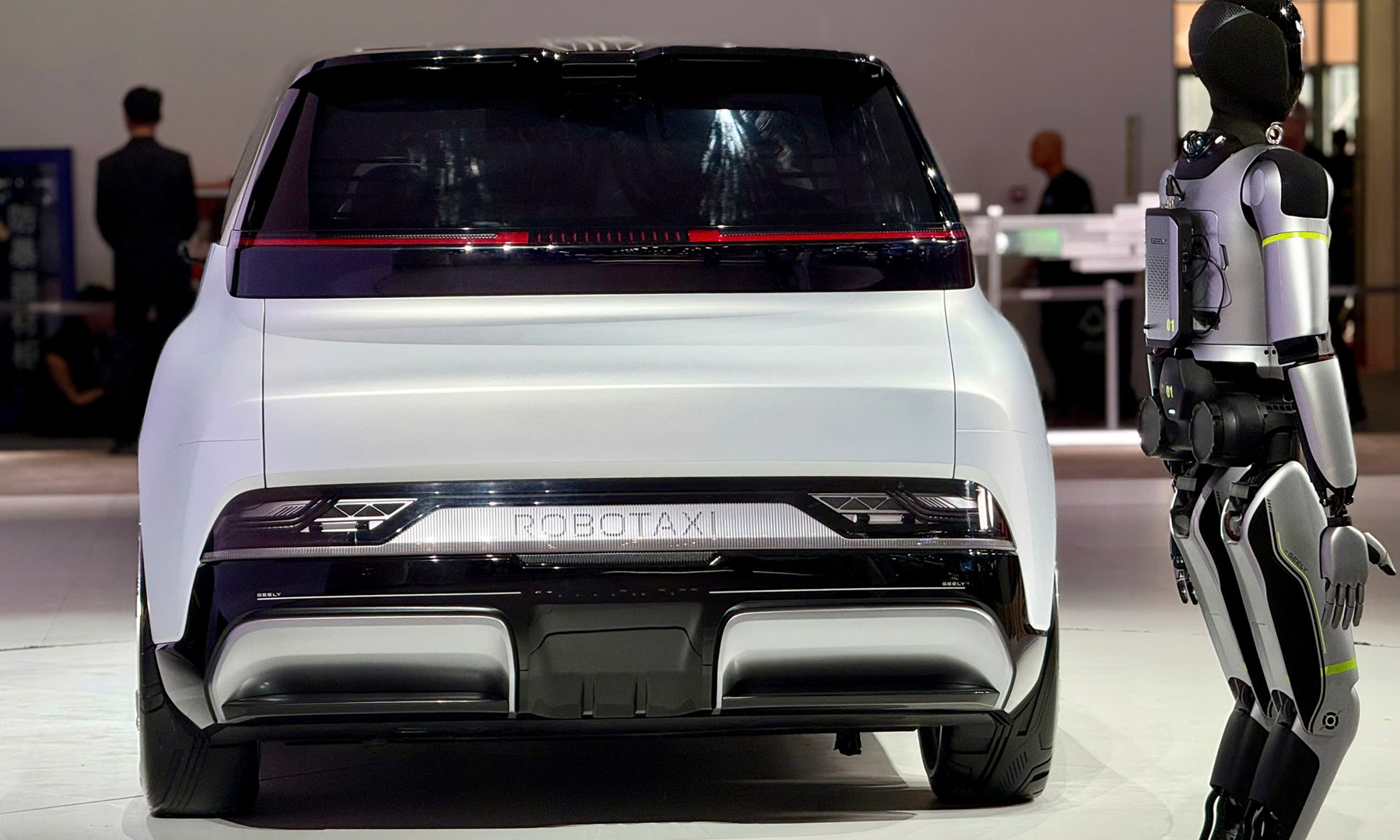 |
The hardware platform is inherited from the highest H9 level of the G-ASD system.
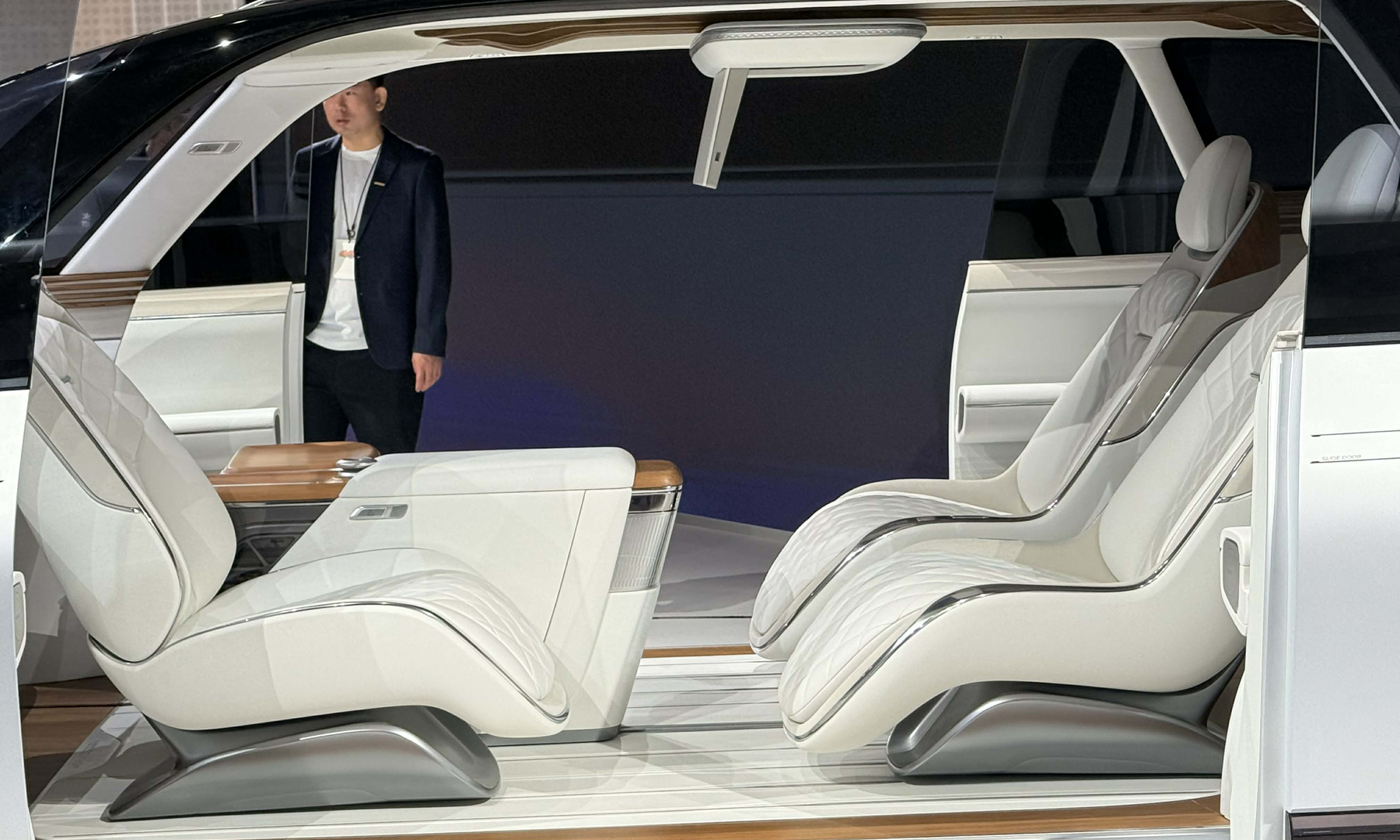 |
The robotaxi lacks a conventional control system, with seats arranged facing each other.
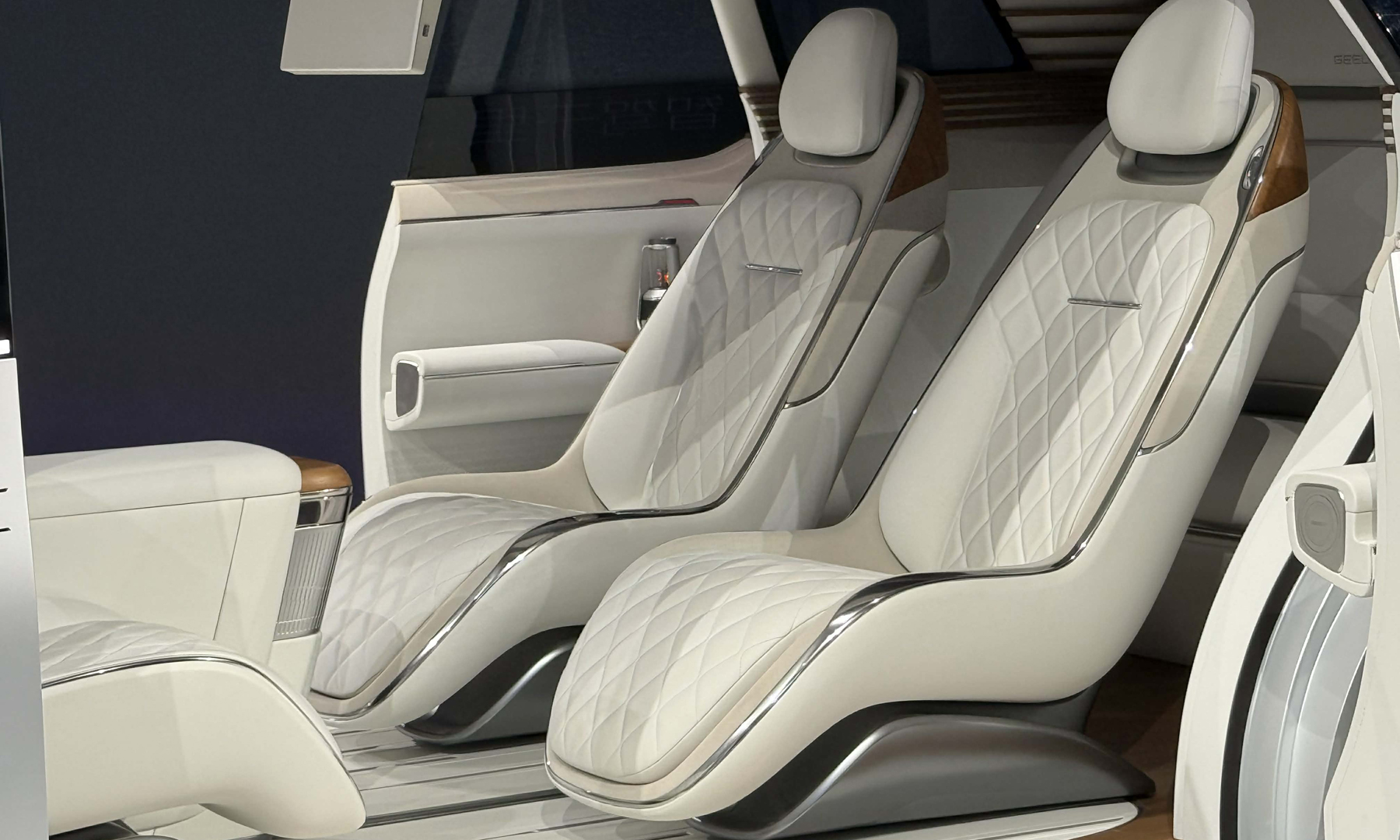 |
Production of the vehicle is expected in 2027.
WAM serves as a unified vehicle brain, designed for continuous self-learning across driving, cockpit, chassis, and energy domains. The hardware platform inherits from the highest H9 level of Geely's G-ASD system, featuring: 5 LiDAR units that provide three times 360-degree environmental coverage, hai Nvidia Thor chips with 1,400 TOPS processing speed, and a full sensor array comprising over 31 elements.
According to the company, this vehicle represents a significant advancement in in-car computing power and sensor performance. It integrates physical AI capabilities as part of Geely's broader efforts toward embodied intelligence.
Cao Cao Mobility, the company designated as the core platform for Geely's robotaxi commercialization, has developed an integrated ecosystem. This ecosystem includes dedicated vehicles, smart driving technology, and intelligent fleet operations. This comprehensive approach positions Cao Cao Mobility among the few global mobility service providers offering end-to-end robotaxi capabilities.
The launch of this self-developed robotaxi prototype marks a new phase in China's dedicated autonomous vehicle development. With a customized production model expected in 2027, this initiative is anticipated to accelerate the transition from pilot programs to large-scale deployment of autonomous driving, thereby supporting the rapid expansion of the smart mobility ecosystem.