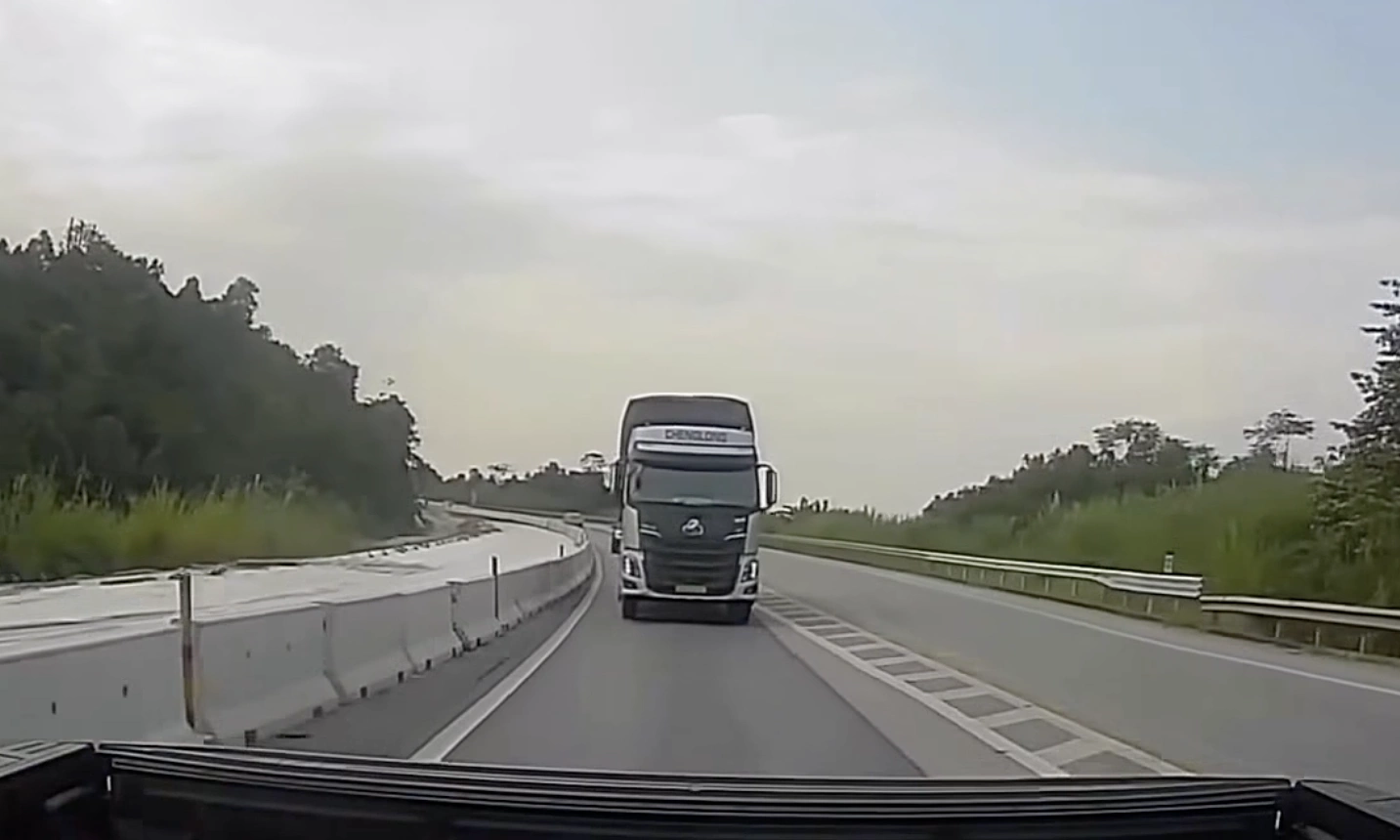
Reading the article about traffic police strictly penalizing slow vehicles in the left highway lane, I notice many drivers still make excuses, offering various reasons to justify their habit of crawling in the left lane and their selfish driving mindset.
Some argue: "The vehicle overtook on the left but could not return to the right lane due to fear of not maintaining a safe distance from the vehicle ahead; continuously driving in the left lane results in a continuous driving violation." While this might sound "by the book," it actually reveals a weakness in both driving skill and mindset.
Highways are designed to optimize speed and traffic flow, not to serve as practice grounds for drivers who "have not learned the rules." The outermost left lane in advanced countries is designated for vehicles traveling at the maximum allowed speed or for overtaking. After overtaking, once safe conditions are met, drivers must actively signal and merge back into the right lane to yield to vehicles behind. If a driver cannot switch lanes after overtaking due to concerns about vehicles ahead or behind, it only demonstrates inadequate observation skills, distance calculation, and speed control.
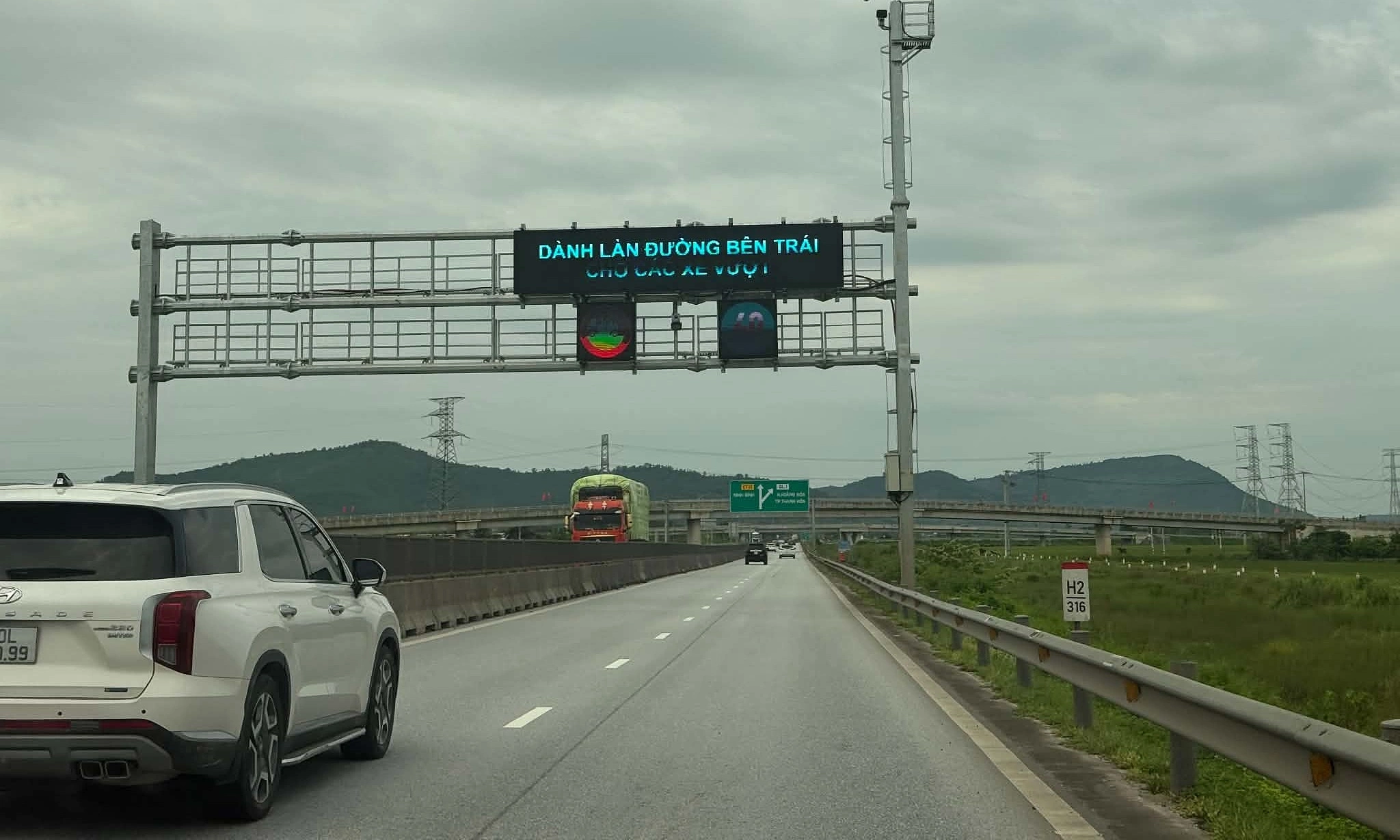 |
Many drivers lack sufficient highway experience but are unwilling to admit it. *Duc Anh* |
Driving on highways demands quick judgment and decisive actions. If a driver cannot overtake definitively or maintain a safe distance, it is best not to even consider the left lane from the start. Yet, many drivers insist on moving into the left lane and then proceed at a leisurely pace, oblivious to the long line of vehicles behind them honking and flashing their lights to request passage. When reminded or threatened with fines, they claim, "If I change lanes, I will get one fine; if I keep going, I will get another." This is not the law being tricky; it is simply a reflection of insufficient driving capability.
Truly, unskilled drivers often have many opinions and reasons to shift blame. If a driver lacks confidence or adequate situational handling skills, it is best to drive on national roads or city streets instead. There, no one forces you to drive fast if you go slow, and stopping or changing lanes is easier. Do not crowd onto highways only to become an "obstacle," endangering others, and then complain about receiving fines.
I believe the proposal by the Traffic Police Department to narrow the speed differential in lane one to 20 km/h (minimum 80, maximum 100 or 100-120) is very reasonable. It would be even better if the gap were reduced to just 10 km/h. Lane one should only permit speeds of 110-120 km/h; if a driver feels they cannot maintain that speed, they should use lane two, lane three, or exit to a national road.
We pay tolls to use highways to travel at high speeds, not to crawl behind "unskilled drivers who want to show off." When driving on highways, it is imperative to adhere to the traffic culture of this special type of road: slow drivers should use the inner lanes, yielding the left lane to faster vehicles. Drive according to the law and for safety, and do not use flimsy excuses to justify your mistakes!
Reader Duc Anh