A recent J.D. Power study, based on new car owners' technology experiences, uncovered interesting findings. Despite extensive advertising for hands-free self-driving systems, this technology does not automatically improve the experience for many drivers. Furthermore, infotainment screens hold little value for car buyers, with over 35% reporting they have never used them.
However, the new report's most striking finding highlights a much simpler technology. In fact, this technology is so straightforward that users may not even realize it is actively working for them.
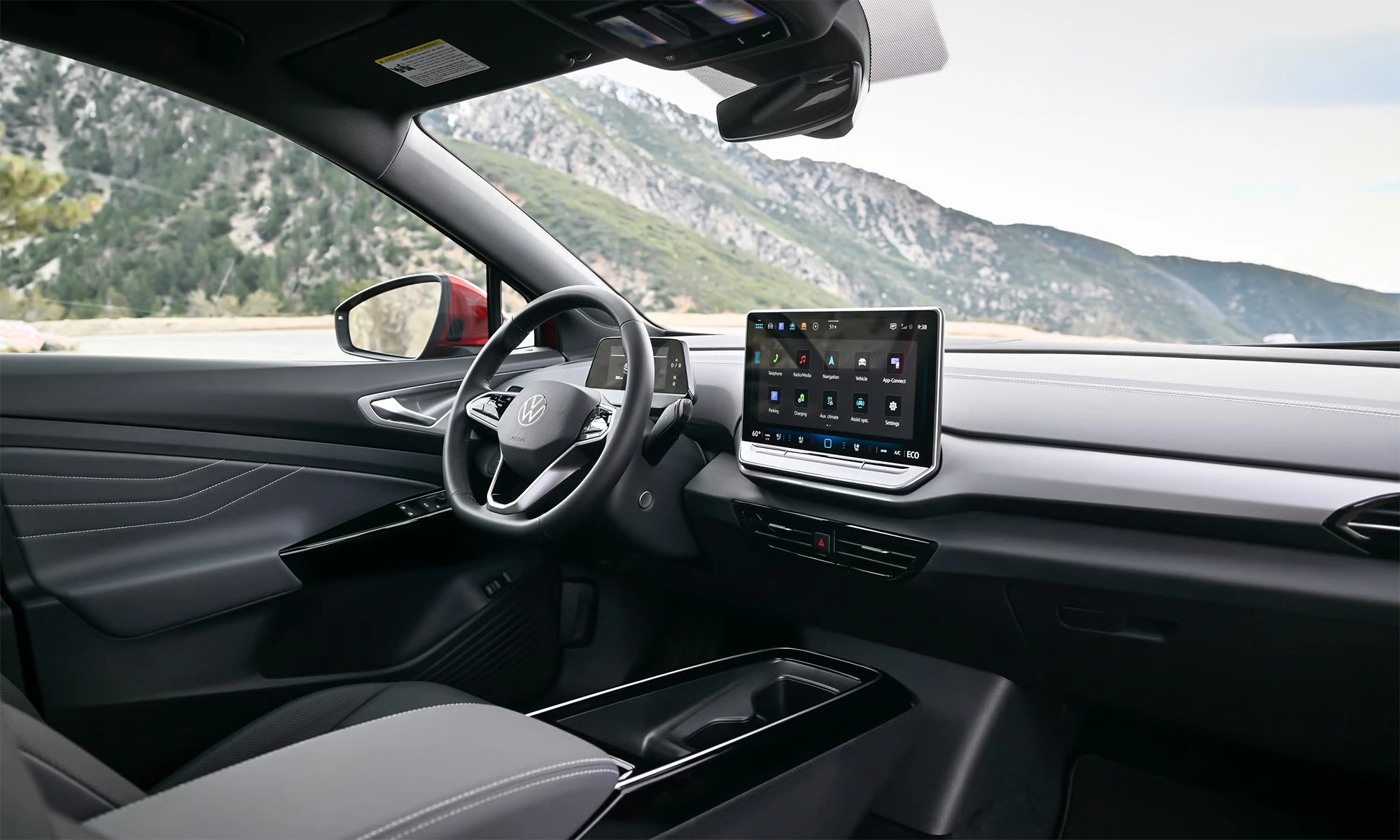 |
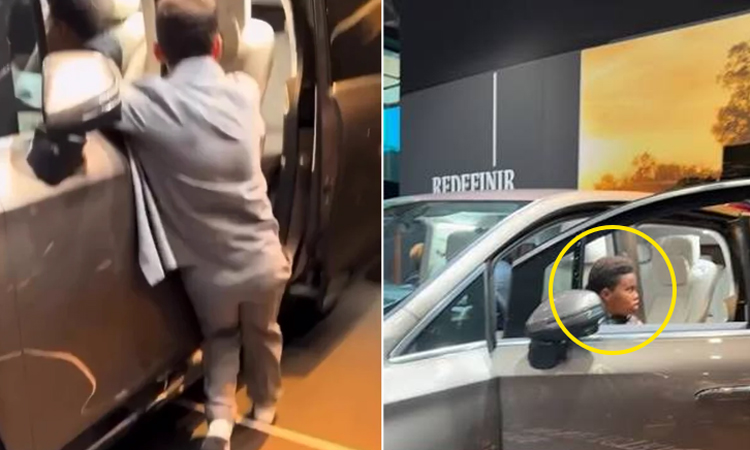
Like many other electric vehicle models, the Volkswagen ID. 4 features a smart start system; drivers simply sit, press the brake, and shift gears. *Car and Driver*. |
J.D. Power indicates that seamless, background operating features yield high satisfaction with relatively few issues. Smart start technology leads in overall satisfaction, boasting the lowest error rate at just 2,4 problems per 100 vehicles (PP100). Smart air conditioning systems also rank among the top features. Significantly, neither of these technologies is overly complex.
The smart start feature highlighted by J.D. Power is primarily seen in electric vehicles. Here, drivers simply sit down and press the brake, and the car automatically starts, ready to drive without a start button. Conversely, when the door is opened and the driver exits the seat, the vehicle powers down automatically. Some newer gasoline and hybrid models also incorporate similar auto-shutdown functions.
The seamless operation of smart features, particularly the automation of basic tasks, is a key draw for buyers. While such automation might evoke concerns about artificial intelligence (AI) taking control of vehicles, the smart technologies people favor are far from AI systems or super-complex algorithms.
These simple automation systems operate by utilizing sensors as switches. For instance, if the driver's door is open and the seat pressure sensor activates, the car starts. Conversely, if the door is open and the seat pressure sensor deactivates, the car shuts off. Fundamentally, these actions resemble a virtual assistant like Alexa automatically turning on lights when someone arrives home.
Smart air conditioning systems, while employing more sensors, also function as pre-programmed automation. These systems rely on external and cabin temperature sensors, occupied seat locations, and conditional logic to regulate temperature. More advanced iterations can even adjust vent direction based on the number of passengers in the vehicle.
This automatic mechanism can also detect open windows, inferring passenger satisfaction with the natural ambient temperature. This prompts the system to proactively reduce fan speed or turn off the air conditioning. Theoretically, this feature might even alleviate motion sickness.
In summary, simple automation systems typically operate effectively. These systems do not rely on machine learning but instead use specific command sequences programmed with "If", "And", or "Or" conditional clauses. A straightforward example: "If" the door is closed "And" someone is in the driver's seat, start the car. "Or" if the smart key is not detected, do not start the car "And" flash emergency warning lights 5 times. While smart air conditioning systems are more complex, they remain fully programmable.
These technologies are not overly complex, serving as a reminder that, in most cases, simplicity often leads to greater effectiveness.
Minh Quan