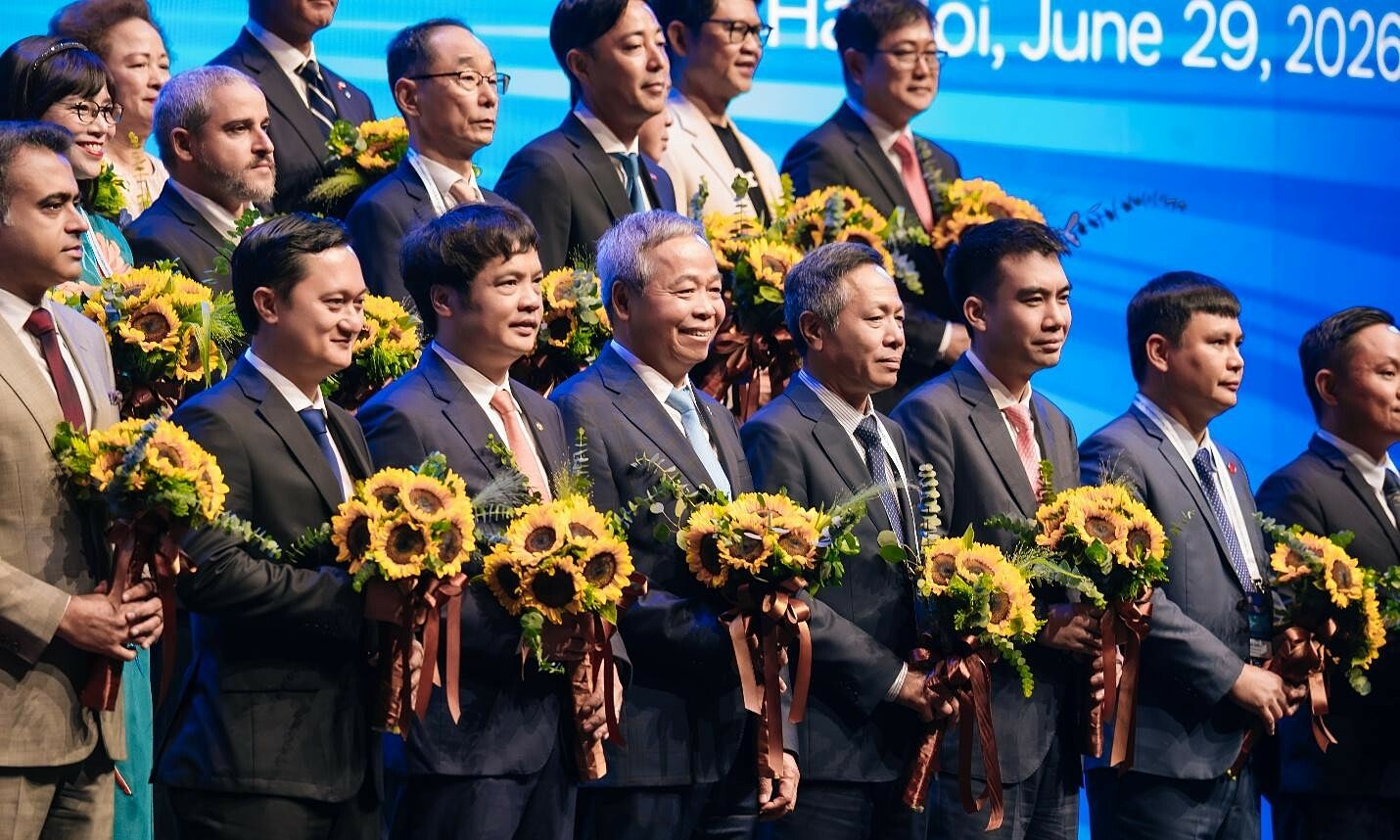
Speaking at the "Solutions to stimulate aviation and tourism demand" seminar on the morning of 15/5, Dinh Van Tuan, Deputy General Director of Vietnam Airlines and Chairman of the Board of Directors of Pacific Airlines, stated that the aviation industry faces many challenges due to fluctuations in aviation fuel prices caused by the Middle East conflict.
According to Tuan, aviation fuel prices at times doubled, even tripled, significantly impacting operating costs. This situation has pushed many airlines worldwide to the brink of bankruptcy.
In this context, Vietnam Airlines has been forced to control costs to avoid impacting ticket prices and shifting the burden onto passengers. Tuan added that many measures previously applied during the Covid-19 period have been reinstated, including cutting investment projects, operational expenses, implementing rotational unpaid leave, and adjusting executive salary funds. Specifically, the chairman's salary was halved, deputy general directors' salaries were reduced by 40%, and department-level leaders' salaries by 30%.
In terms of operations, Vietnam Airlines has taken advantage of reduced air traffic due to the conflict by requesting flight path shortcuts to shorten travel times. Additionally, the airline implemented optimized landing procedures at major airports and flexibly refuels with cheaper fuel in neighboring countries, avoiding those with high oil prices.
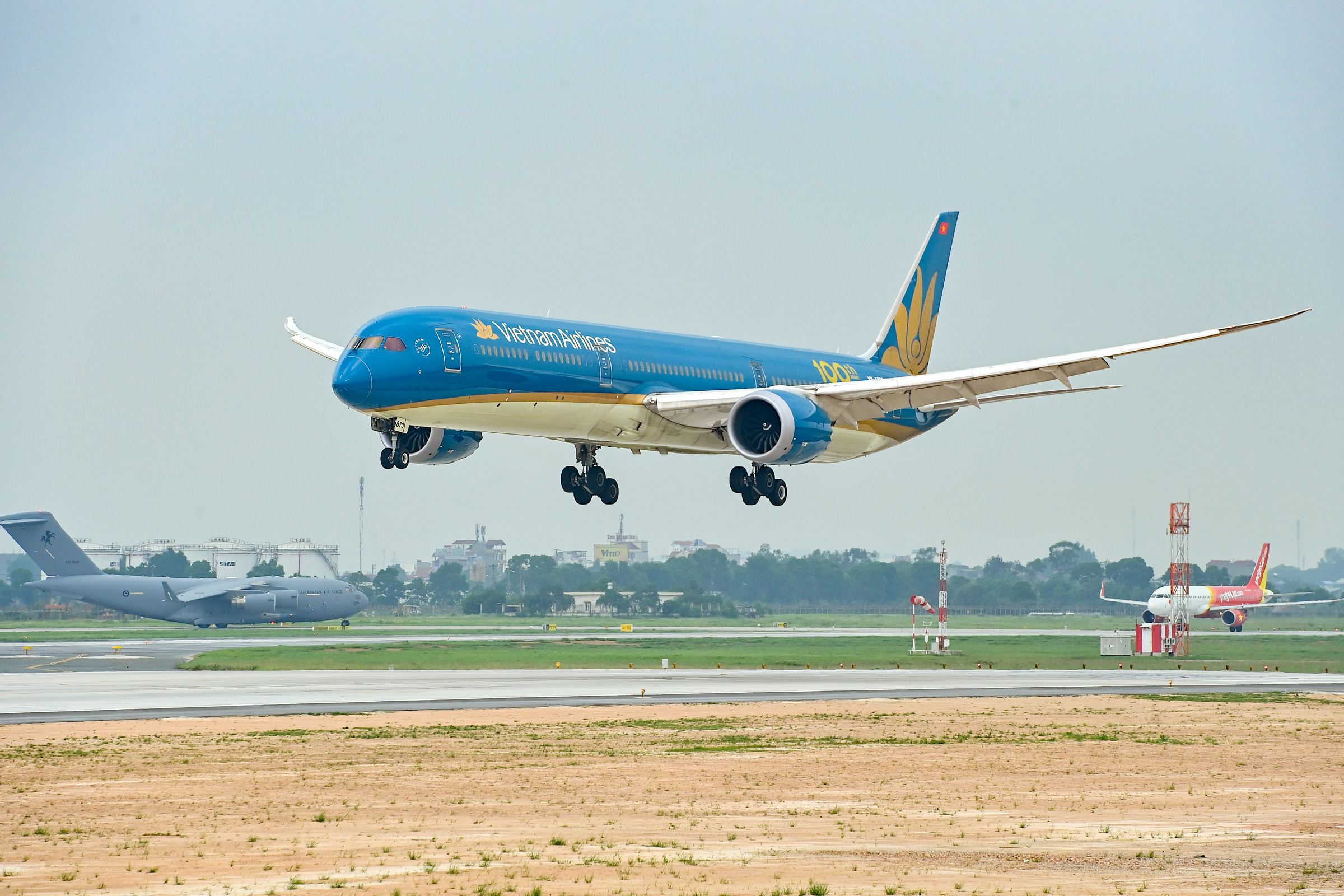 |
Aircraft from various airlines at Noi Bai airport. Photo: Giang Huy
Beyond the pressure of rising fuel prices, airlines also face challenges as many costs, such as aircraft leasing, maintenance, and spare parts, have increased. Amidst a scarcity of aircraft supply in the international market, some airlines are forced to adjust the size of their fleets to maintain operations.
Duong Hoang Phuc, Commercial Director of Vietravel Airlines, stated that instead of competing on low prices, the airline chose a strategy focused on optimizing its flight network, schedule, and diversifying revenue streams. Beyond ticket revenue, the airline has expanded ancillary services and deepened connections with the tourism ecosystem to create integrated product packages.
Phuc emphasized, "The decisive factor for competitiveness today is not ticket prices, but the ability to optimize operations, control costs, create differentiated products, and build long-term trust with customers."
To alleviate cost pressures on airlines, the government reduced the import tax on aviation fuel to 0% until the end of June. However, Bui Minh Dang, Head of the Air Transport Department, Civil Aviation Authority of Vietnam, believes this solution is insufficient for businesses to reach the break-even point.
He stated that management agencies are researching several options: extending preferential tax policies, providing credit support to airlines and fuel suppliers, and considering a fuel surcharge mechanism for certain routes.
According to data from the Civil Aviation Authority of Vietnam, in Quarter I, the air transport market reached over 24,1 million passengers, an increase of over 16% compared to the same period last year. Of these, domestic passengers accounted for over 10,2 million, and international passengers nearly 14 million.
Doan Loan