According to a ShipMatrix report on 16/3, USPS ranked second with 6,6 billion packages. UPS placed third with 4,4 billion packages, an 8,6% decrease year-on-year, while FedEx was fourth with 3,6 billion packages.
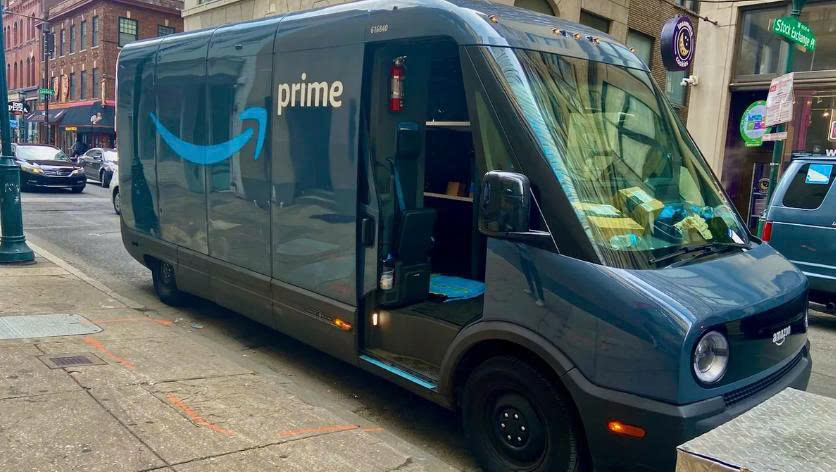 |
An Amazon delivery truck parked on the street. Photo: Supply Chain Dive |
Amazon's growth stems from the e-commerce boom, expanded rural delivery, and reduced reliance on UPS. The report indicated that as UPS and FedEx shifted focus away from low-value orders, Amazon, once a major client, continued to expand its market share.
Over recent years, Amazon has intensified efforts to build its own delivery network, establishing itself as a major player in last-mile delivery. Pitney Bowes had previously projected Amazon would reach this position by 2028, but this milestone was achieved sooner.
Amazon's growth momentum is not only driven by orders from its e-commerce platform but also by its Amazon Shipping service, which allows businesses to utilize Amazon's network for deliveries from various other sales channels.
Meanwhile, USPS is seeking to improve its operations through new initiatives targeting business customers, under the leadership of Postmaster General David Steiner.
While leading in volume, Amazon is not the top company by revenue. UPS still holds the largest revenue market share at 29,8%, followed by FedEx with 26,4%.
These two companies are gradually withdrawing from low-margin services, such as inexpensive consumer delivery, shifting towards higher-value sectors like healthcare and data centers.
This gap creates opportunities for alternative carriers. According to ShipMatrix, providers outside the top 4, including the internal delivery networks of Walmart and Target, recorded a 13% increase in volume in 2025.
Total revenue for the US parcel delivery market increased by 4,1% in 2025, primarily due to service price adjustments. Volume saw a modest 0,4% increase but is projected to accelerate, with a compound annual growth rate of approximately 3,9% over the next three years.
Ngoc Minh (according to Supply Chain Dive)