"Gender equality is not about asking if someone is male or female, but about selecting the right person for the right task in the most practical and effective way", Dang Huynh Uc My, Chairwoman of AgriS, stated at the GEARS@VIETNAM 2026 forum on 15/1.
AgriS is currently a major player leading the sugar industry, with consumption output for the 2024-2025 crop year exceeding 1 million tons, accounting for 46% of the market share. The Bien Hoa Sugar chairwoman's perspective on gender equality differs from some businesses that focus on setting male-female recruitment quotas.
My explained from practical management experience that some tasks require sensitivity to context, timing, and the ability to seize opportunities. Therefore, whoever performs best has the right to lead. "My view is clear: I look at the job, not gender", she said.
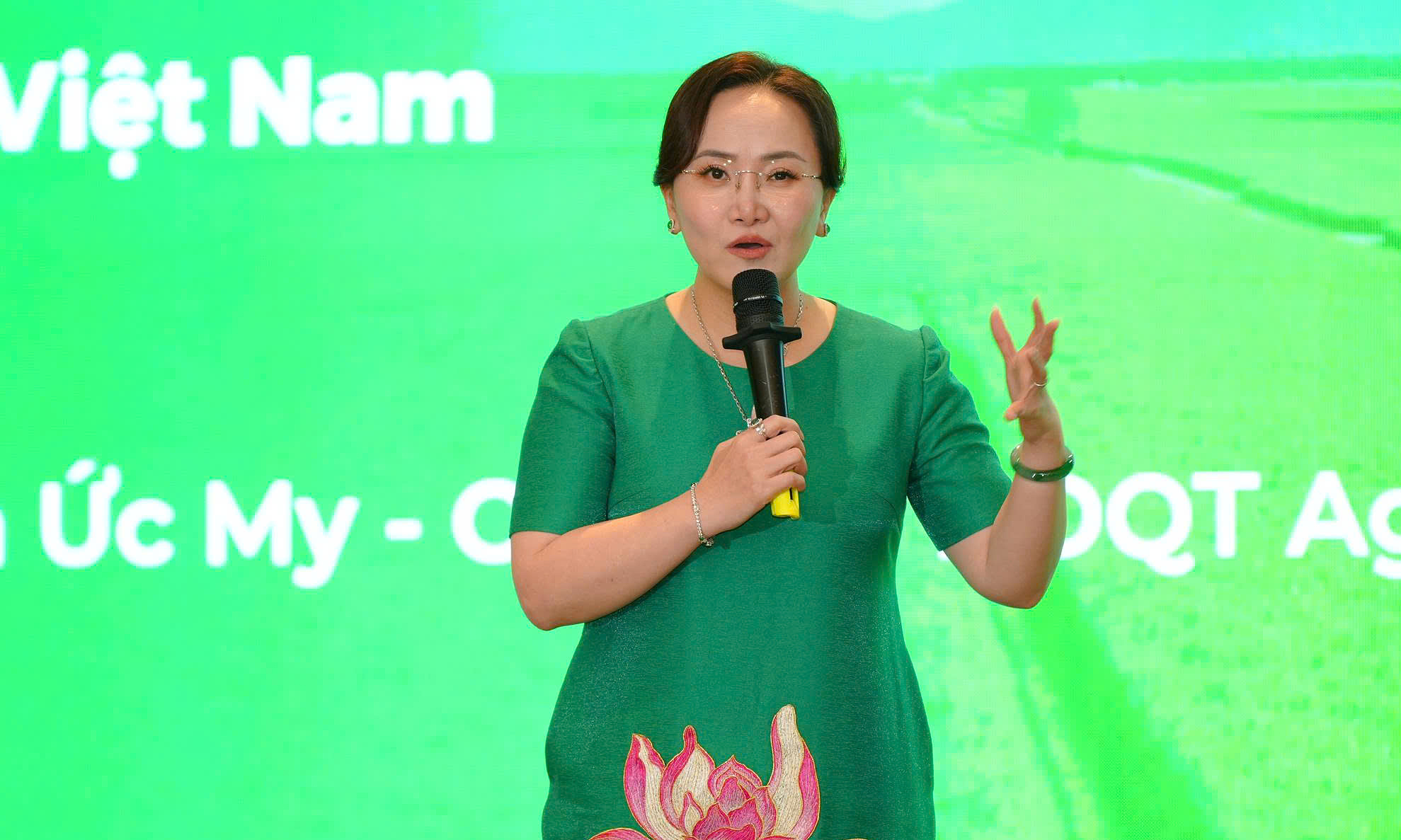 |
Dang Huynh Uc My, Chairwoman of AgriS, at the forum on 15/1. Photo: BSA
Beyond viewing gender equality as prioritizing competence over a specific gender, My also shared her experience using data and technology to implement gender equality. The advantage of a data system lies in its transparency in allocating tasks, responsibilities, and evaluating performance.
"When functions are clearly measured, task evaluation becomes fairer, allowing for the utilization of gender strengths in specific stages", she noted. For example, many women excel in supervisory, quality control, and human resources roles, which require delicacy, sensitivity, the ability to balance gentleness with decisiveness, and creativity.
Many experts and managers agree with this approach. According to Huynh Thanh Dat, Deputy Head of the Central Propaganda and Education Commission, workplace gender equality is not about favoring one gender. "It is a process of removing invisible barriers, enabling all talented individuals, regardless of gender, to contribute, grow, and lead", he stated.
Le Quang Binh, Director of ECUE and Head of GEARS@VIETNAM, also believes that gender equality management is not merely about counting the number of male and female employees. According to Binh, key questions are: Is the company attracting talent fairly? Do employees perceive transparency in career development opportunities? Have current policies truly been implemented?
"For effective management, businesses need accurate, sufficient, and in-depth data. This is the core value that gender equality assessment tools provide", he advised.
Experts also suggest that practicing gender equality in the workplace yields practical business benefits. Professor Ngo Thi Phuong Lan, Rector of the University of Social Sciences and Humanities, TP HCM, stated that in recent years, international studies increasingly affirm gender equality as a crucial indicator of management quality and competitiveness.
"The International Labor Organization points out that organizations genuinely promoting gender equality are better able to attract talent, retain employees, and adapt to fluctuations in the recruitment market", she noted.
The AgriS Chairwoman has practical experience within the context of international integration. According to Uc My, gender equality – a component of ESG (Environmental, Social, and Governance) practices – is no longer a benevolent choice but has become a prerequisite for deep involvement in global supply chains.
"International partners today are not just interested in output or cost, but also question how businesses treat their employees", she said. For the 2024-2025 crop year, AgriS's net revenue surpassed the plan by 9%, reaching nearly 28.500 billion dong. Pre-tax profit was 950 billion dong, an increase of 5%. Recently, they also mobilized over 500 million USD, including green capital for agricultural infrastructure.
AgriS is also one of eight pioneering enterprises participating in GEARS@VIETNAM's Gender Equality Assessment (GEA) program, alongside Biti’s, Banchao, Niwenco, Wellspring, Lac Dia, Pencil Group, and WeCare247.
Huynh Thanh Dat encouraged expanding the program to help Vietnamese businesses enhance their competitiveness and international integration by supporting more businesses, especially in export supply chains and key economic sectors. Additionally, he advocated aligning the program's activities with the goals and targets of the National Strategy on Gender Equality and sustainable development requirements.
Vien Thong