Michael Saylor, chairman of Strategy, the world's largest Bitcoin (BTC) holder, shared this perspective during his opening address at Blockchain Week 2025, organized by Binance exchange in the United Arab Emirates (UAE).
The crypto billionaire elaborated that Bitcoin is evolving beyond a mere speculative asset, establishing itself as a foundational capital infrastructure. This shift, he noted, is enabling new models for payment, investment, and credit. He described BTC's transformation into "digital capital," akin to gold or treasury bonds from previous generations, but in a purely digital format, secured by cryptography and globally distributed.
Major institutional acceptance is building a strong foundation. Over the past year, the United States has seen increasing political and governmental support for digital assets. Media outlets reported the nation's leader identifying as a "Bitcoin president," alongside a cabinet with digital asset supporters. Agencies such as the Department of the Treasury, the Federal Reserve (Fed), and banking regulators have also conveyed that cryptocurrencies, including Bitcoin, are not inherently negative assets.
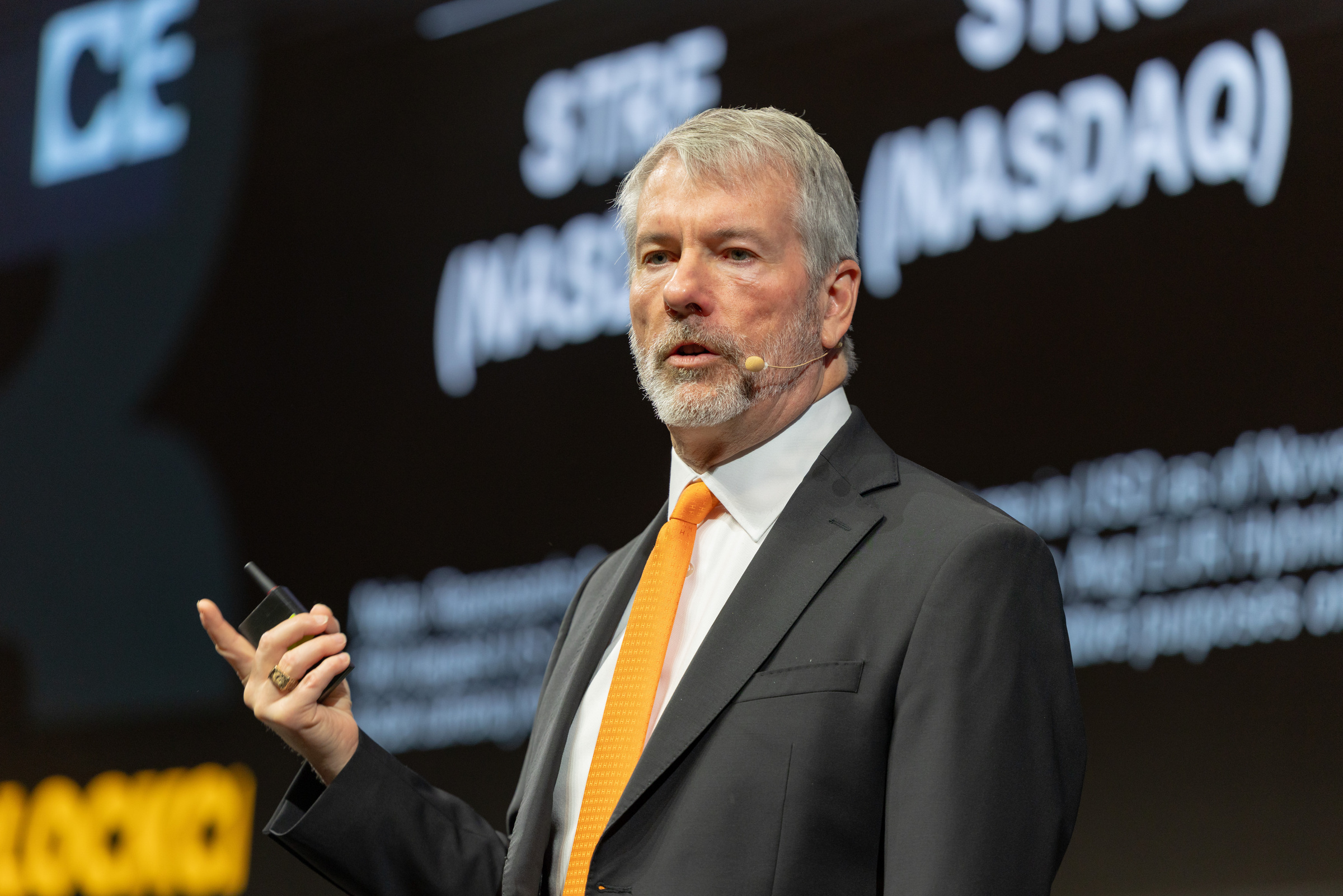 |
Michael Saylor, chairman of Strategy, speaking at the event on 3/12. Photo: Courtesy of the organizers.
During a subsequent roundtable discussion, Brad Garlinghouse, CEO of global payment system Ripple, emphasized the US government's shift in attitude as a turning point. Bitcoin now operates within a clear legal framework in the world's largest economy, which contributes 22% to global gross domestic product (GDP). He observed, "A market that remained hostile to crypto for four to five years has transformed in less than a year."
This shift quickly prompted significant capital flows, notably from major global banks. Michael Saylor highlighted that over the past 12 months, institutions like Citi, JP Morgan, Wells Fargo, Bank of America, and Vanguard transitioned from skeptical attitudes to more positive engagement with cryptocurrencies. Concurrently, regulators approved bitcoin exchange-traded funds (ETFs).
"Bitcoin, once marginal, has become an asset that banks, investment funds, and listed companies readily accept as collateral, reserve assets, and mainstream financial products," he stated.
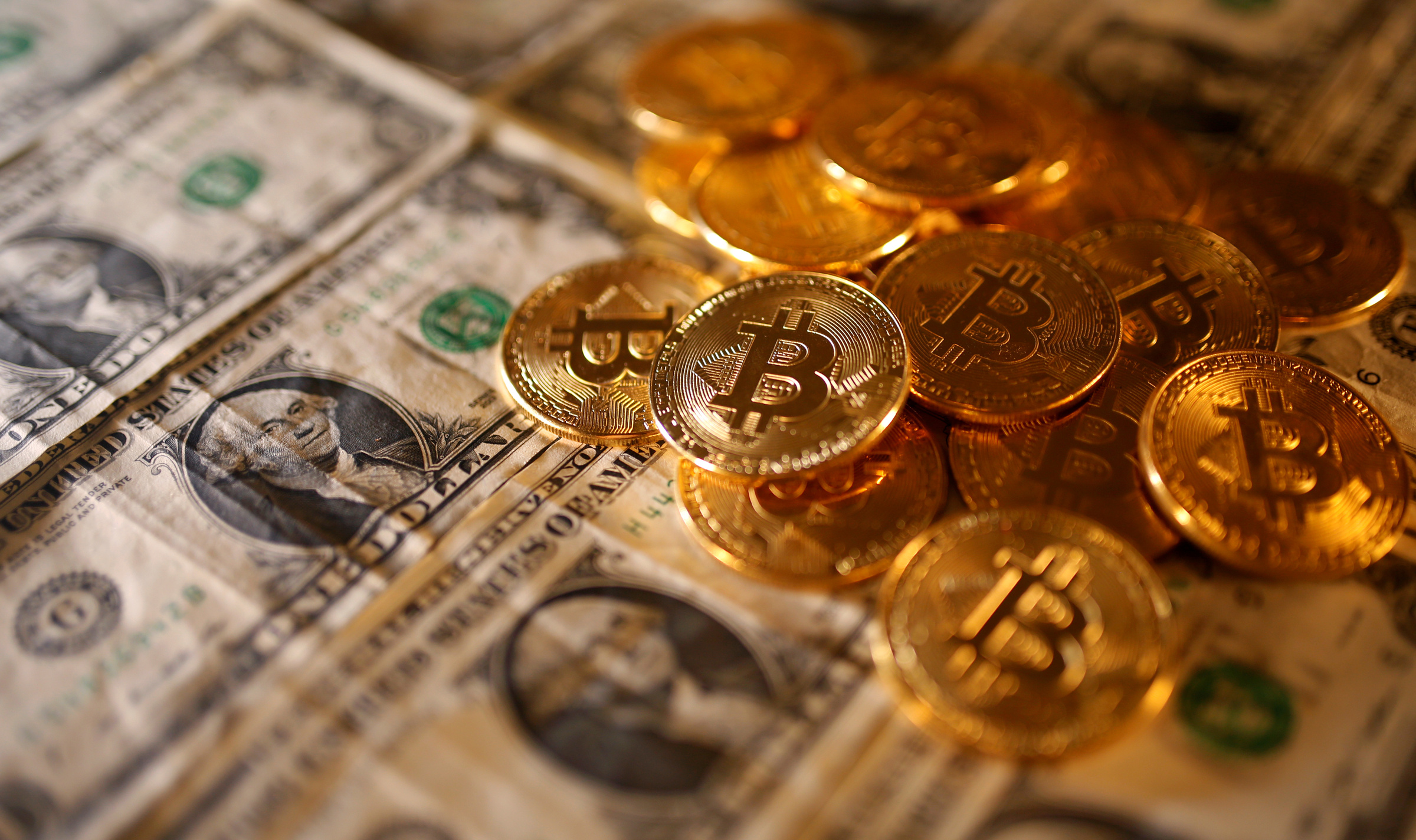 |
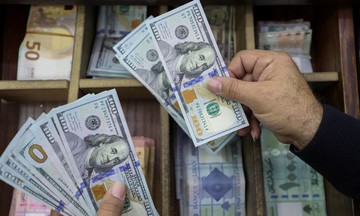
Bitcoin emblems placed on US dollars. Photo: *Reuters*.
In his presentation, Binance CEO Richard Teng echoed this sentiment, asserting that cryptocurrencies are not a niche product. He described them as evolving into a "global value transport infrastructure," likening their role in the economy to a new "bloodstream."
Binance's own metrics underscore this, with nearly 300 million users, almost 21 million payment acceptance points, and over 272 billion USD in transactions predominantly from real goods and services payments. "This represents genuine capital flow, not merely speculative exchange trading," he stressed.
A key driver behind the widespread adoption of cryptocurrencies is stablecoins, which are tokens pegged to fiat currency. Teng noted that both the market capitalization and the number of wallets holding stablecoins grew by approximately 50% in the past year. Regulatory clarity in the United States, Europe, and other markets has paved the way for stablecoins to integrate into mainstream finance.
Beyond individual users, institutional capital from financial "whales" is also shifting towards this trend. Several countries, including El Salvador, the United Arab Emirates, Argentina, and Bhutan, are actively implementing national crypto payment systems.
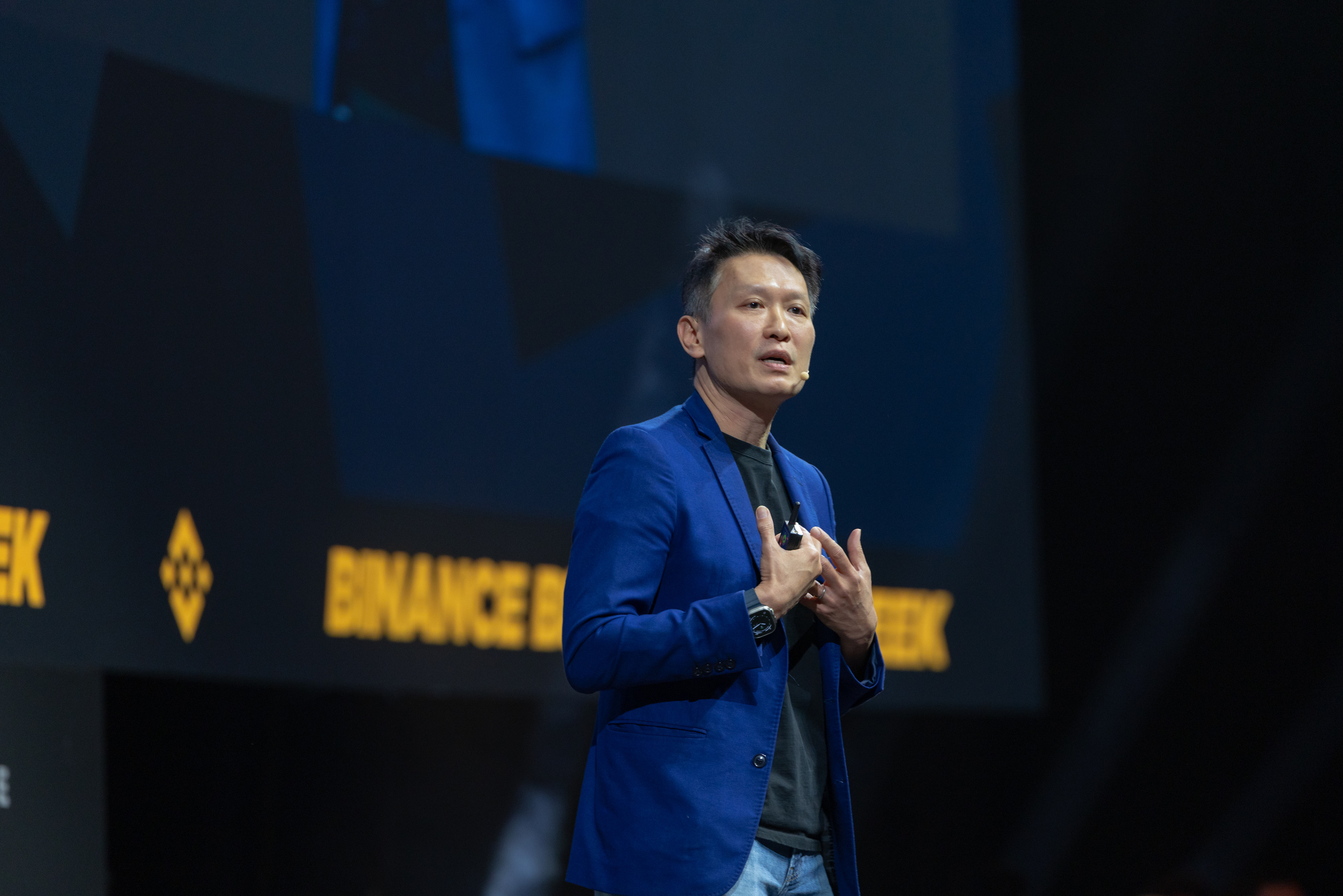 |
Richard Teng, CEO of Binance exchange, speaking at the event on 3/12. Photo: Courtesy of the organizers.
However, Michael Saylor believes Bitcoin's evolution from a speculative asset to "digital capital" is just one step. He argues that cryptocurrencies must advance to become a form of credit. While asset accumulation is vital, all economic activities, including payroll, borrowing, business investment, and daily expenditures, rely on credit flow.
Saylor's company, Strategy, is undertaking what traditionally only major financial institutions could: raising market capital to acquire BTC, then leveraging it as collateral to create digital credit products with 10-12% interest rates. Last year, they mobilized 22 billion USD in real capital for Bitcoin investments, with similar figures anticipated this year.
"Cryptocurrencies and blockchain technology have the potential to transform the 300 trillion USD global credit market in its creation, distribution, and trading," the billionaire asserted.
Despite this, many traditional finance observers argue that Bitcoin and other cryptocurrencies are too volatile. This volatility presents a significant obstacle for many considering entry into the emerging market. However, Lily Liu, president of the Solana Foundation, which supports the eponymous crypto network, countered that volatility is inherent to any ambitious endeavor.
From April to late September, the market experienced a period of excessive exuberance, making the current correction understandable and similar to the behavior of other asset classes. Despite fluctuations, exchange-traded fund (ETF) trading volumes remain in the billions of USD, indicating capital reallocation within the ecosystem rather than abandonment.
Tat Dat