At the Ministry of Agriculture and Rural Development's regular press conference on the morning of 1/6, Tran Gia Long, Deputy Director of the Planning and Finance Department, announced that agricultural, forestry, and fisheries export value for the first five months of 2026 reached nearly 30,7 billion USD, an increase of over 9% year-on-year. Imports during the same period were approximately 22,3 billion USD, up 12,6%, resulting in a trade surplus of about 8,4 billion USD for the entire sector.
China remained Vietnam's largest export market for agricultural, forestry, and fisheries products, accounting for a 20,5% market share. Export value to this market grew by 28,4% compared to the same period last year, marking the highest increase among key trading partners.
Conversely, exports to the United States, Vietnam's second-largest market with an 18,5% share, decreased by 3,6%. Exports to the European Union (EU) saw a 4,2% increase, while those to Japan rose by 3,5%.
According to the Ministry of Agriculture and Rural Development, the strong recovery of the Chinese market helped offset the decline in the US and stimulated growth for many key agricultural product categories.
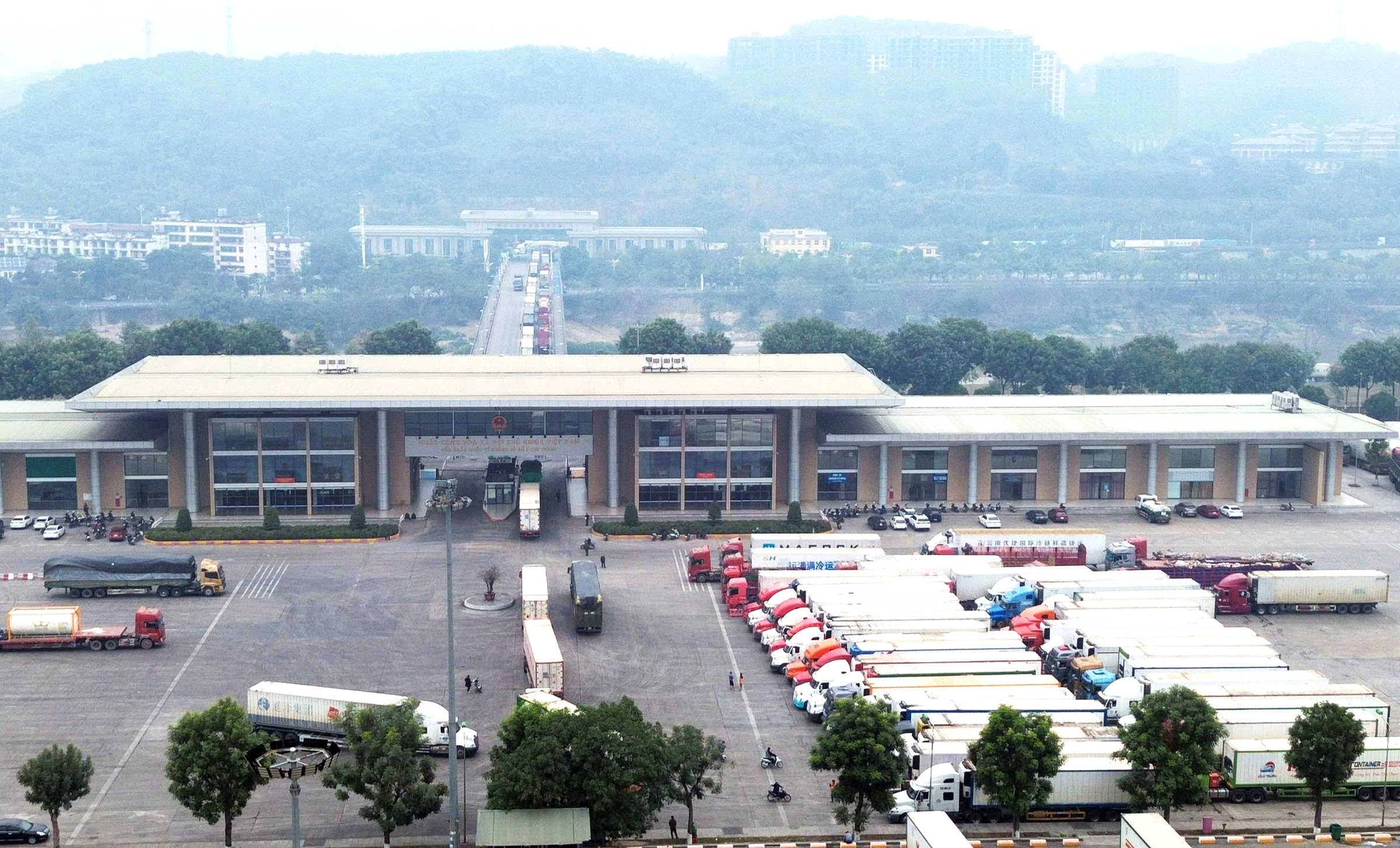 |
Vietnam-China border gate in Lao Cai. Photo: Lao Cai Provincial Economic Zone Management Board
By product category, agricultural products continued to hold the largest share, with an export value of nearly 16,4 billion USD, an increase of over 6% year-on-year. Coffee was particularly favored by markets, generating approximately 4,25 billion USD in the first five months, which is nearly 44% of the annual target.
Fruits, rice, and cashew nuts were among the product groups that benefited from increased demand in the Chinese market and the utilization of free trade agreements to expand market access. Ministry data indicates that fruit and vegetable export value exceeded 2,8 billion USD in the five-month period. Rice and cashew nuts exports surpassed 2 billion USD and 1,9 billion USD, respectively.
In the forestry sector, the export value of wood and wood products reached approximately 7,7 billion USD after five months, accounting for over 42% of the full-year target. Fisheries achieved about 39% of its annual plan, indicating significant growth potential in the remaining months if the recovery trend in major import markets continues.
The Ministry of Agriculture and Rural Development assesses that the agricultural sector has maintained its role as a pillar of the economy, ensuring food supply and significantly contributing to the national trade balance.
However, the ministry anticipates several challenges in the latter half of the year. Besides fluctuating demand in major markets, the agricultural sector must closely monitor the impact of US reciprocal tax policies, geopolitical developments in the Middle East, increasingly stringent traceability requirements from importing countries, and the task of removing the "yellow card" warning for exploited seafood.
Gia Chinh