In a newly released analysis, Tim Evans, Chief Executive Officer of HSBC Vietnam, stated that "Vietnam has progressed faster and further than any other economy" in the trade of artificial intelligence (AI)-related goods such as semiconductor chips, components, and equipment necessary for AI technology to operate.
According to a report by HSBC's Global Research division, Vietnam's global trade share in AI-related equipment increased from 1.2% in 2015 to 12.4% in 2025. This marks the highest growth rate globally for a single economy during this period.
In early 2026, South Korean exports to Vietnam saw the strongest growth in Southeast Asia. This indicates deep production linkages and Vietnam's expanding role in computer hardware assembly, including equipment for AI servers, according to Evans.
Meanwhile, Taiwan (China) recorded its first trade deficit with Vietnam in Q1. In the three months leading up to May, the island's imports from Vietnam surged by 173% compared to the same period in 2025, primarily consisting of machinery, electrical equipment, and home appliances.
Evans believes this development signifies a "major shift." Vietnam is no longer merely a low-cost assembly point at the end of the supply chain. Instead, it has become a crucial link in a multilateral network, importing high-value inputs from Taiwan and South Korea, then engaging in sophisticated manufacturing before re-exporting to Asia and the global market.
"Two-way flows are deepening, and Vietnam's position within these flows is strengthening," he commented.
According to HSBC data, intra-Asia trade in AI-related goods reached nearly 2 trillion USD last year, doubling pre-Covid-19 levels. AI-related goods now account for 35% of Asia's total exports, up from 19% a decade ago.
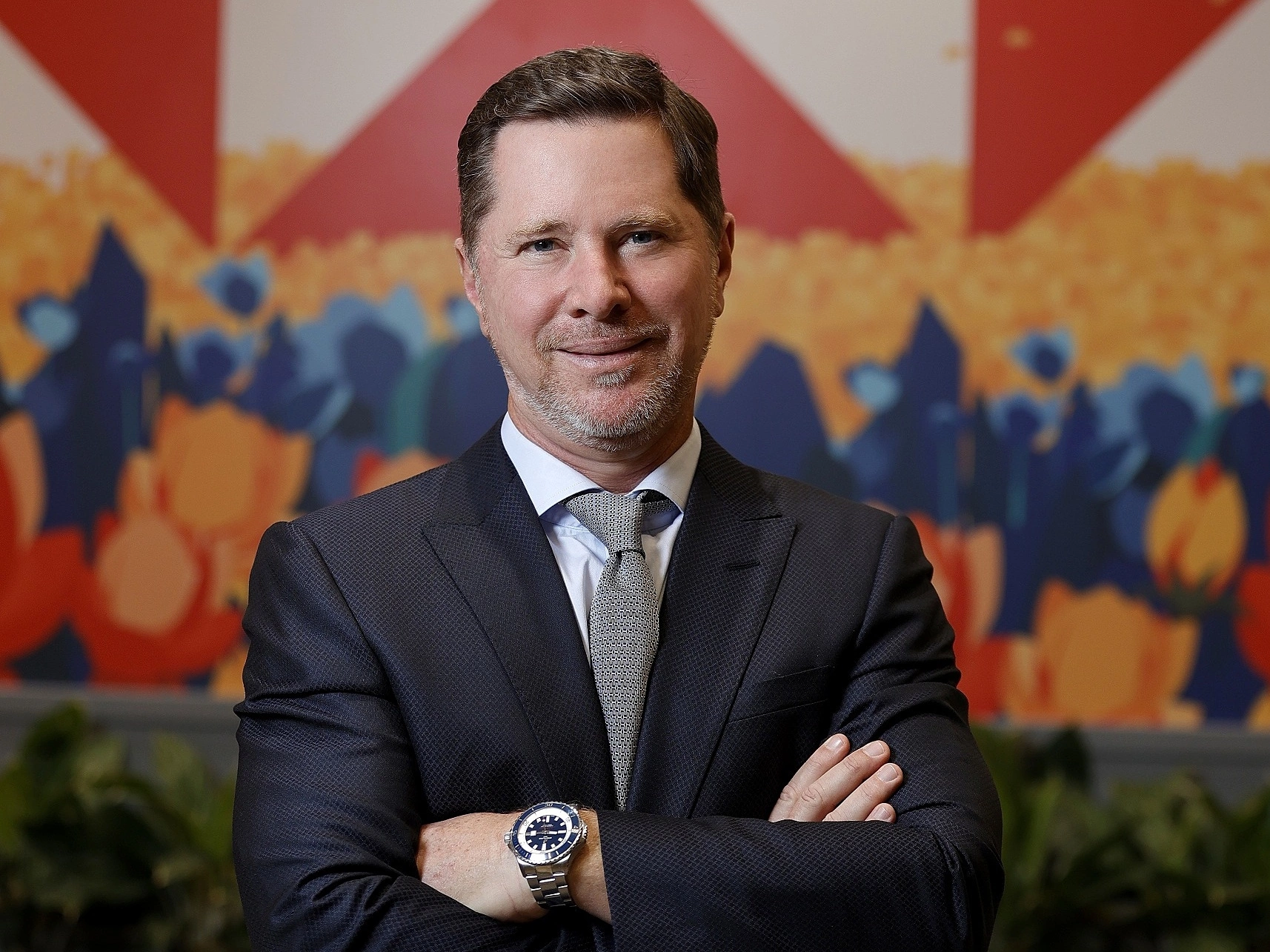 |
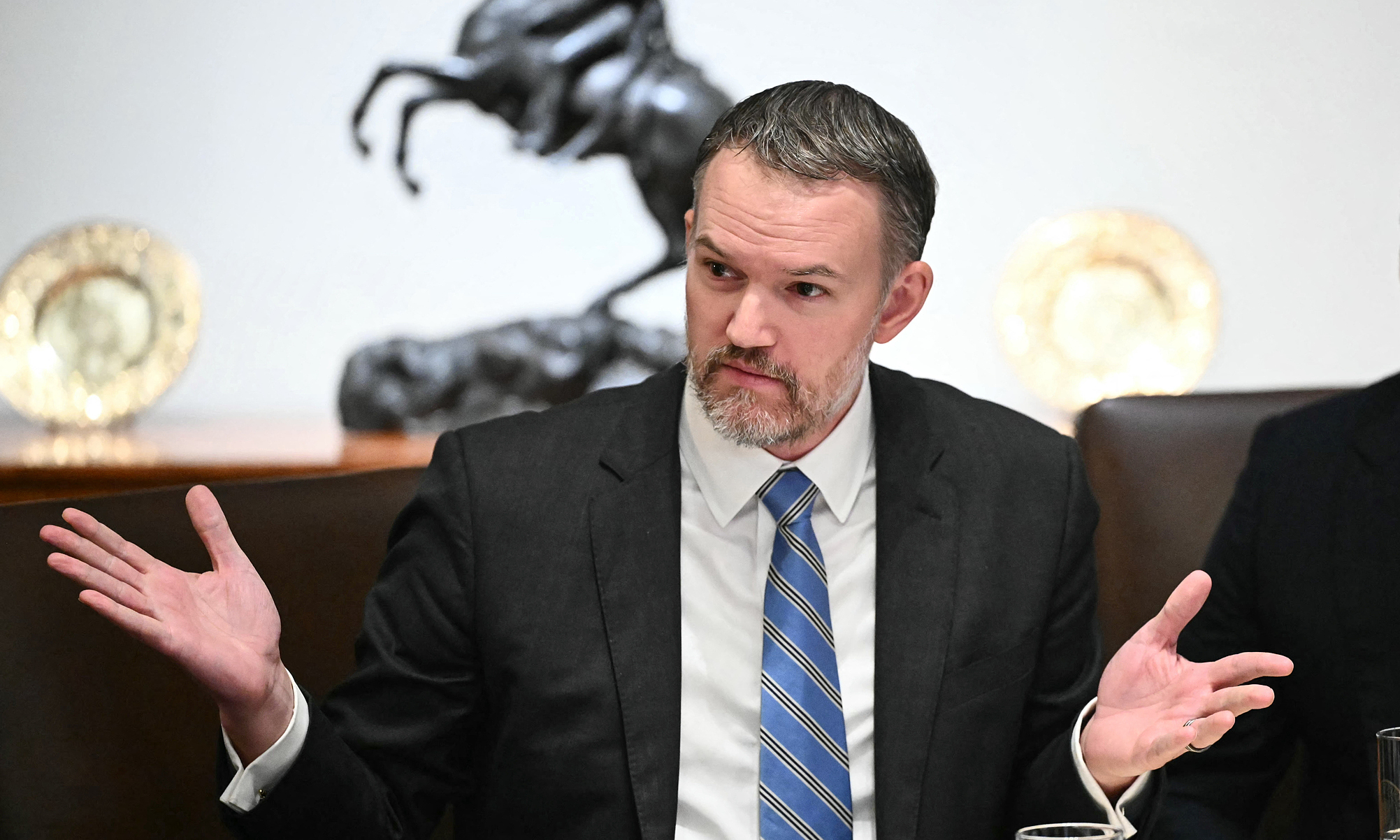
Tim Evans, CEO of HSBC Vietnam. Photo courtesy of the bank |
Vietnam's rise is attributed to both policy and geographical factors. The government has outlined a national strategy for semiconductor industry development and identified science, technology, and digital transformation as key growth drivers.
Global manufacturers have responded with significant investments in packaging, testing, and electronics production. Vietnam is also collaborating with leading technology corporations to acquire research and design capabilities.
In the first half of the year, the processing and manufacturing industry attracted 17,91 billion USD in foreign direct investment (FDI) capital, accounting for 63% of total newly registered and increased capital, according to the General Statistics Office. Many localities have recorded major projects related to electronics and semiconductors.
For example, Thai Nguyen led in FDI attraction with over 8 billion USD in the first 6 months. Most of this capital was directed towards high-tech complexes, semiconductor industrial zones, and electronic component manufacturing. Hai Phong attracted 1,83 billion USD by resolving procedural obstacles for auxiliary projects in the semiconductor and electronics sectors, such as LG Innotek.
At the same time, Vietnam is also starting to experience high AI demand. With a young, tech-savvy population and a dynamic business community, Vietnam is well-positioned to become a significant consumer market for AI services, according to Evans.
In April, TP HCM granted investment registration certificates for four strategic high-tech projects totaling over 1,23 billion USD. Among these, two main projects include the Evolution DC VN HCMC data center by a consortium of three Singaporean investors, valued at over 508 million USD, and the STARMASON hyperscale data center complex with an investment of approximately 480 million USD by Starmason.
Benefiting from the wave of AI-related trade also comes with risks. According to Evans, deeper specialization means Vietnam is more susceptible to common shocks, such as a slowdown in AI capital expenditure, tighter export controls, or significant fluctuations in semiconductor prices. Additionally, rising chip and electronic goods prices could increase inflationary pressure across the region.
However, structural drivers remain strong. Supply chains are diversifying across Asia, and agreements like the Regional Comprehensive Economic Partnership (RCEP) and the Comprehensive and Progressive Agreement for Trans-Pacific Partnership (CPTPP) help reduce trade barriers. Vietnam has also demonstrated its ability to absorb large-scale capital.
"As Asia transforms from an export launchpad into its own AI demand hub, Vietnam stands at the center of this transition, both economically and geographically," said the CEO of HSBC Vietnam.
He added that if Vietnam can convert its manufacturing growth momentum into a genuine AI ecosystem, combining hardware scale with skills, infrastructure, and business adoption, the benefits will extend beyond export turnover to factory productivity, the services sector, and the daily operations of hundreds of thousands of businesses.
Vien Thong