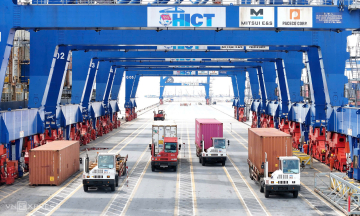
On 14/10, China Customs released data showing that in September, exports increased by over 36% compared to the same period last year. This marks the highest growth since February. Imports also rose by 31%, exceeding economists' forecasts.
For the first nine months, China's trade surplus hit USD 938 billion, on pace to exceed last year's record of USD 1.1 trillion. The country's import and export growth shows no signs of slowing in the final quarter of the year.
Robust international demand has offset weak domestic consumption, easing pressure on Chinese officials to meet this year's growth targets. This marks the second consecutive year of strong export performance, despite pressure from Western countries seeking to balance trade with Beijing.
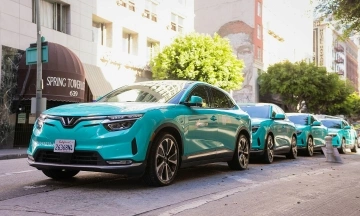
Analysts suggest that the EU's plan to restrict hybrid vehicles could exert significant pressure on China's automotive industry. However, with detailed policy announcements not expected until December, Chinese automakers are currently racing to export to beat the deadline.
Last month's meeting between Chinese President Xi Jinping and US President Donald Trump in Washington helped extend the trade truce between the two nations. Beijing and Washington agreed to reduce tariffs on an additional USD 30 billion worth of each other's goods.
On the same day, officials announced that China's producer price index (PPI) in September increased at its fastest rate in four years. In contrast, the consumer price index (CPI) saw only a slight uptick, falling short of forecasts. This indicates an uneven recovery in demand.
Despite this, strong exports suggest that officials can still achieve the full-year GDP growth target of 4,5-5%. The Canton Fair, China's largest trade exhibition, will open on 15/10, offering an opportunity for domestic manufacturers to showcase products to foreign buyers. As demand for AI infrastructure shows no signs of slowing, analysts also predict continued strong purchasing of Chinese-made technology products.
However, risks to China's exports remain as the country continues to protect its industrial and monetary policies. Washington and Brussels consider these policies to be the cause of Beijing's substantial trade surplus.
Ha Thu (according to Reuters)