On 29/11, the PBOC announced its firm stance on virtual currencies, following a regulatory coordination meeting held the day before. Regulators noted a recent increase in digital currency speculation due to various factors, posing new challenges for risk control.
"Virtual currencies do not have legal status like fiat currency and cannot be used as a means of payment," the PBOC stated. The agency also affirmed that all business activities related to virtual currencies constitute "illegal finance".
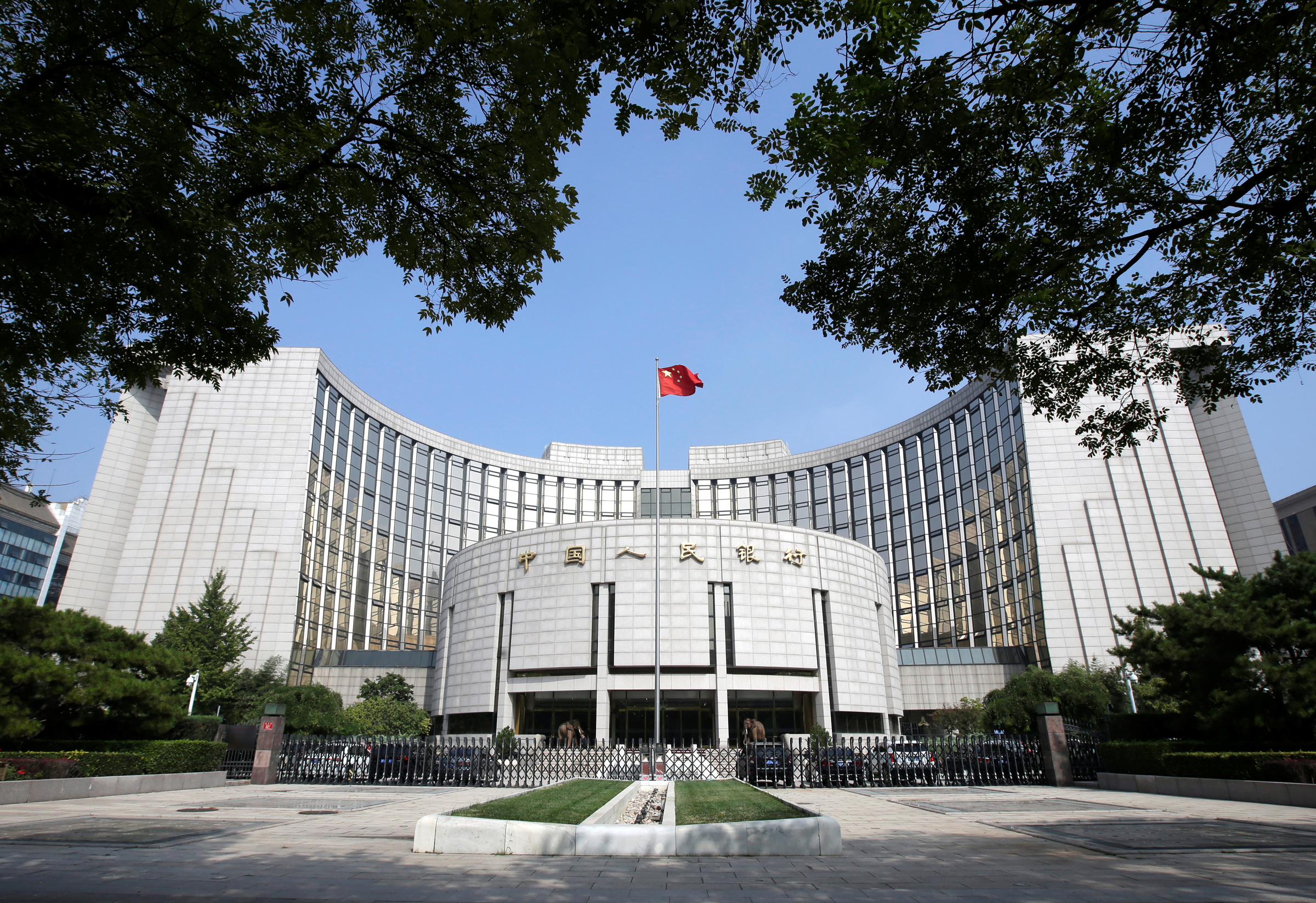 |
Headquarters of the People's Bank of China (PBOC) in Beijing on 28/9/2018. *Photo: Reuters* |
China's central bank expressed particular concern regarding stablecoins, stating that this asset class does not meet customer identification requirements. They also pose risks of being exploited for money laundering, fraud, and illegal cross-border transfers.
Stablecoins are designed to maintain their value by being pegged to another reference asset, typically fiat currencies like USD or EUR. The PBOC stated it will "intensify the crackdown on illegal financial activities" related to stablecoins to ensure economic and financial stability.
Earlier, in october, PBOC Governor Pan Gongsheng stated that the bank would continue to tighten domestic virtual currency operations and speculation, while closely monitoring stablecoin developments abroad.
China banned cryptocurrency trading in 2021. Meanwhile, the special administrative region of Hong Kong has established a regulatory framework for stablecoins but has not yet licensed any issuers.
According to industry data, bitcoin mining is quietly returning to China, despite being banned four years ago. This resurgence is driven by individual miners and businesses exploiting cheap electricity, coupled with the boom of data centers in some energy-rich provinces.