The tariff order exempts goods not produced in the US or those that could disrupt the supply chain. These include coffee, beef, oranges, orange juice, some oil and gas energy products, and aerospace components and parts.
The decision to impose tariffs followed a one-year investigation under Section 301 of the Trade Act of 1974. USTR concluded that Brazil's policies on digital trade, tariffs, intellectual property, ethanol market access, and deforestation negatively impacted US trade.
United States Trade Representative Jamieson Greer stated the move was necessary to ensure workers and businesses compete on a level playing field. "Negotiations with Brazil over the past year have not resolved these issues, but we remain open to continuing discussions", he said on the afternoon of 15/7.
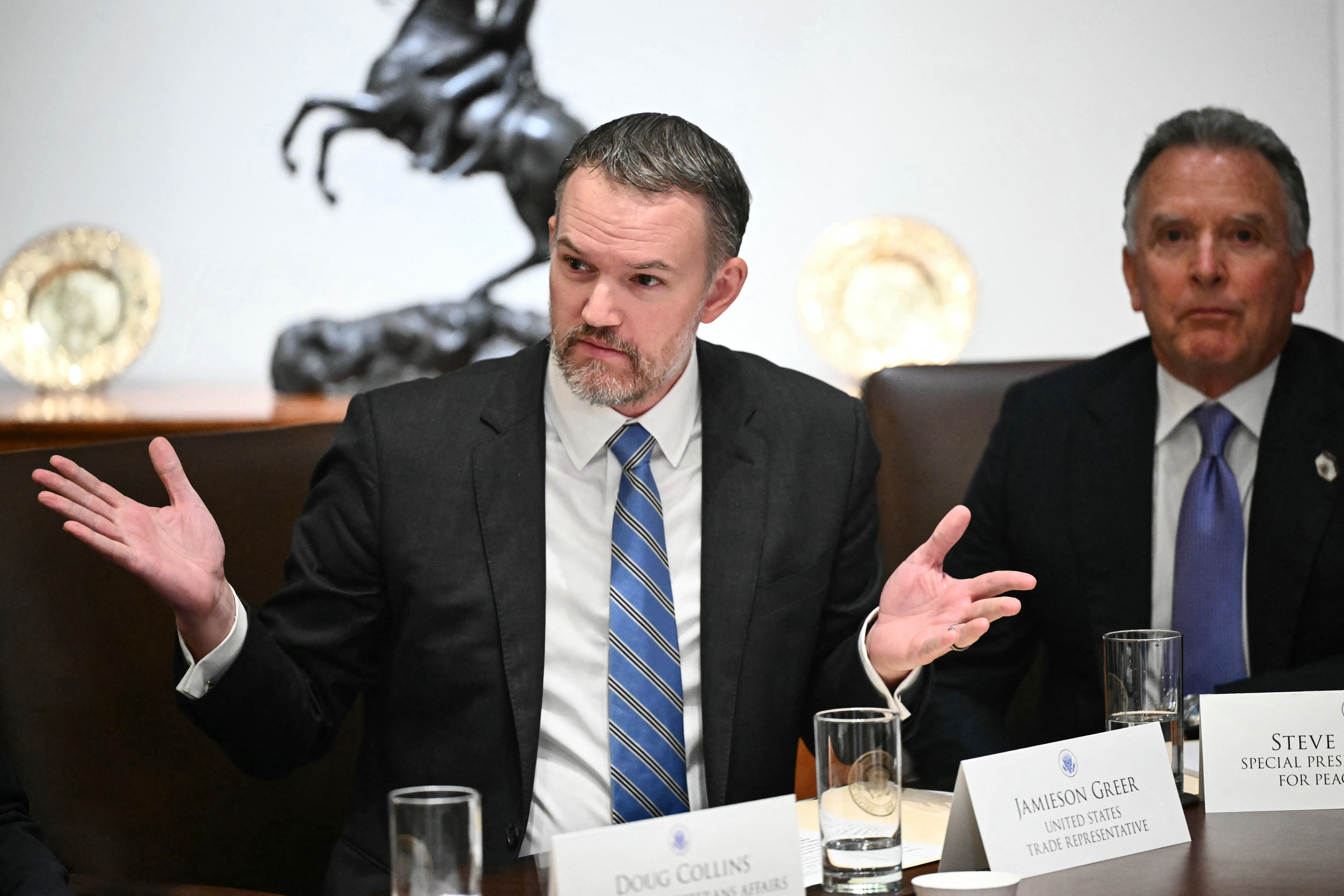 |
United States Trade Representative Jamieson Greer at the White House on 26/8/2025. *Photo: AFP* |
Brazil, the world's 10th largest economy, was the first country targeted under the new tariff strategy by United States President Donald Trump, based on Section 301. United States Secretary of State Marco Rubio argued that the Brazilian government "did not negotiate with the US in good faith".
Last year, Trump imposed a 50% tariff on Brazilian goods to protest the country's prosecution of former President Jair Bolsonaro. He later withdrew most of the tariffs, including those on beef and coffee.
By february, the United States Supreme Court ruled that retaliatory tariffs imposed by the Trump administration under the International Emergency Economic Powers Act (IEEPA) were illegal.
Currently, Brazilian goods are still subject to an additional 10% tariff, which is expected to expire this month. Brazil is the 15th largest trading partner of the US and has experienced a trade deficit for many years. In 2025, exports from Brazil to the US decreased by 6,6% to 37,72 billion USD. Meanwhile, imports from the US increased by 11,3%, reaching 45,25 billion USD.
Phi An (according to Reuters, AP)