At the open of trading on 25/3, US WTI crude oil prices fell 4% to USD 88,5 a barrel. Earlier in the session, prices at one point reached USD 87,8. Brent crude is currently down 5% to USD 99.
Previously, at the close of trading on 24/3, WTI crude rose 4,8%, while Brent crude increased 4,5% to USD 104 a barrel.
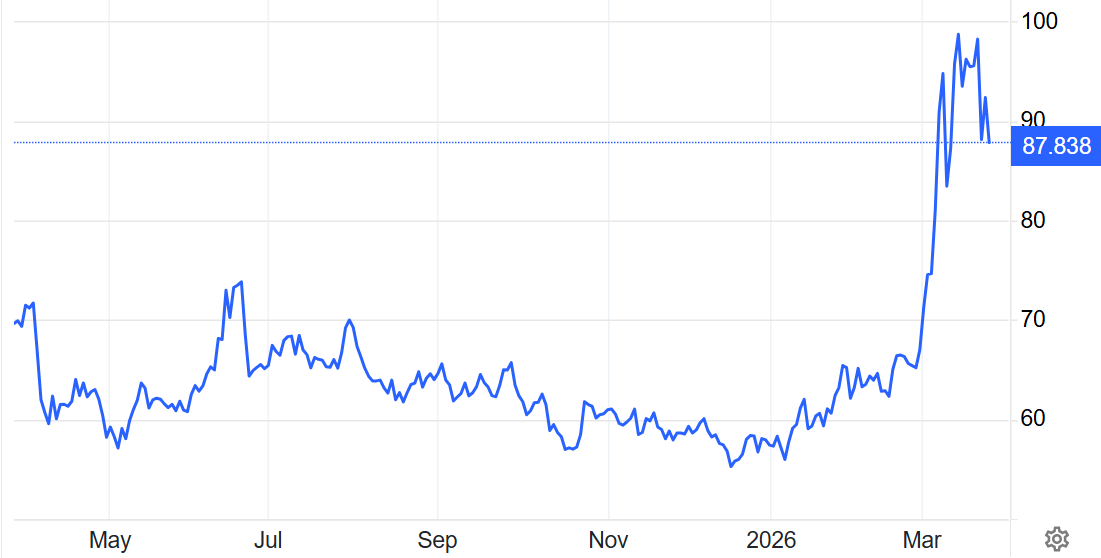 |
WTI oil price movements over the past year. Chart: Trading Economics |
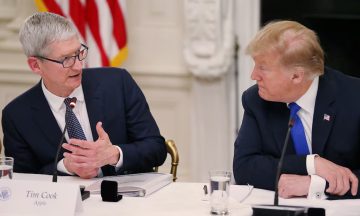
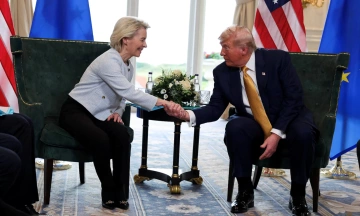
Oil prices declined as investors anticipated the possibility of a ceasefire agreement in the Middle East, thereby easing global oil supply disruptions. US President Donald Trump stated on 24/3 that Washington made progress in negotiation efforts to end the conflict, and Tehran had made significant concessions. Reuters also quoted a close source, reporting that Washington sent Tehran a 15-point plan to end the conflict.
Israel's Channel 12 reported that a one-month ceasefire would be announced under a mechanism developed by US Middle East envoys Steve Witkoff and Jared Kushner.
A day earlier, US President Donald Trump also announced negotiations with a high-ranking Iranian leader to end the conflict, but clarified that this individual was not Supreme Leader Mojtaba Khamenei. However, Tehran later denied direct talks with the US. IRNA news agency quoted Iranian Foreign Ministry spokesperson Esmaeil Baghaei as rejecting Trump's statement, stating that the country had no contact with the US.
The conflict in the Middle East has lasted nearly 4 weeks. After the US and Israel launched an attack on Iran on 28/2, Tehran almost closed the Strait of Hormuz in retaliation, forcing nations reliant on this shipping route to scramble for alternatives and utilize reserves.
The US recently reinforced forces and equipment and called on allies for support to reopen the Strait of Hormuz. While Iran granted special permission for some countries' vessels to pass, it threatened to attack any US, Israeli, or allied ships.
The supply disruption from the Gulf region caused global fuel prices to soar, leading to widespread inflation risks. World crude oil prices this month at one point neared USD 120 a barrel, the highest since 2022.
In asset markets, world gold prices rebounded, closing on 24/3 at USD 4,473 an ounce. At the open of trading on 25/3, prices continued to touch USD 4,554. News that the US is seeking a diplomatic solution to end the Middle East conflict is the reason for the precious metal's rise after several consecutive sessions of decline. Typically, a de-escalation of conflict pulls down world oil prices, thereby reducing inflation risks, leading investors to bet on central banks cutting interest rates. Lower interest rates benefit gold.
Ha Thu (according to Reuters)