Brent oil prices surged 6% to 118 USD per barrel at the close of trading on 29/4, marking their highest level since late March. As the morning session opened on 30/4, prices continued to climb, reaching 119 USD.
US crude WTI also saw a 7% increase, settling at 106 USD, its highest in three weeks. This morning, WTI continued its ascent to 108 USD.
The price hike stems from the ongoing stalemate in peace negotiations between the US and Iran, fueling investor concerns about prolonged disruptions to Middle Eastern oil supplies. Additionally, US government data revealed a sharper-than-anticipated decline in crude oil and fuel inventories last week, further intensifying price pressures.
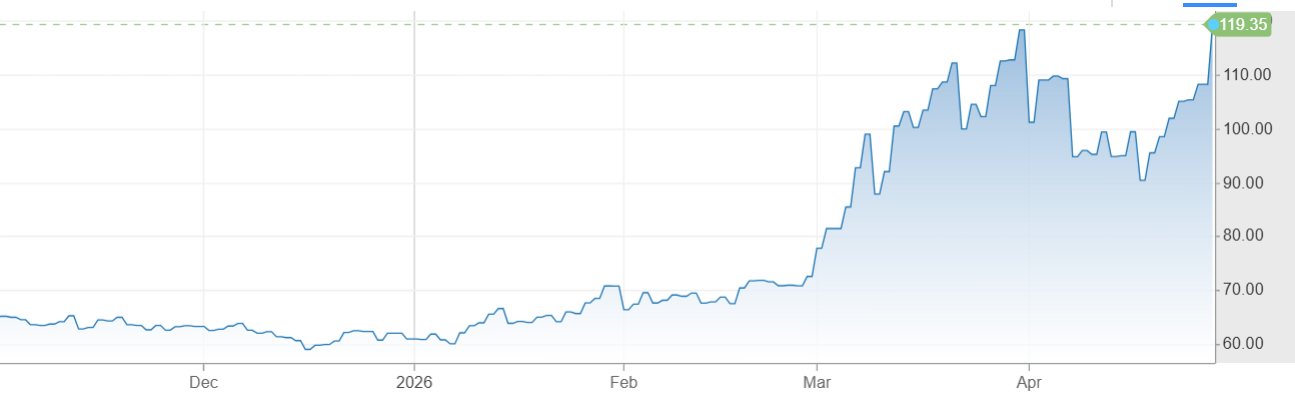 |
Brent crude oil price trends over the past six months. Chart: CNBC
A White House official disclosed that US President Donald Trump inquired with domestic oil companies about mitigating the impact of US sanctions on Iranian ports. According to Reuters calculations, approximately 50 billion USD worth of crude oil has been kept off the global market since the conflict began.
"If President Trump is prepared to extend the blockade, supply disruptions will worsen, further driving prices upward," stated Yang An, an analyst at Haitong Futures.
Evidence suggests a tightening in supply. Data from the US Energy Information Administration (EIA) indicated that the nation's crude oil inventories fell by over 6 million barrels last week, significantly exceeding analysts' projections of just over 200,000 barrels. Gasoline and distillate fuel (primarily diesel) inventories also declined more than expected, sparking fears of shortages in the world's largest fuel consumer as the peak summer driving season nears.
"Prices will find new support as summer begins, with increased demand coinciding with tightening supply," analysts at RBC Capital Markets noted.
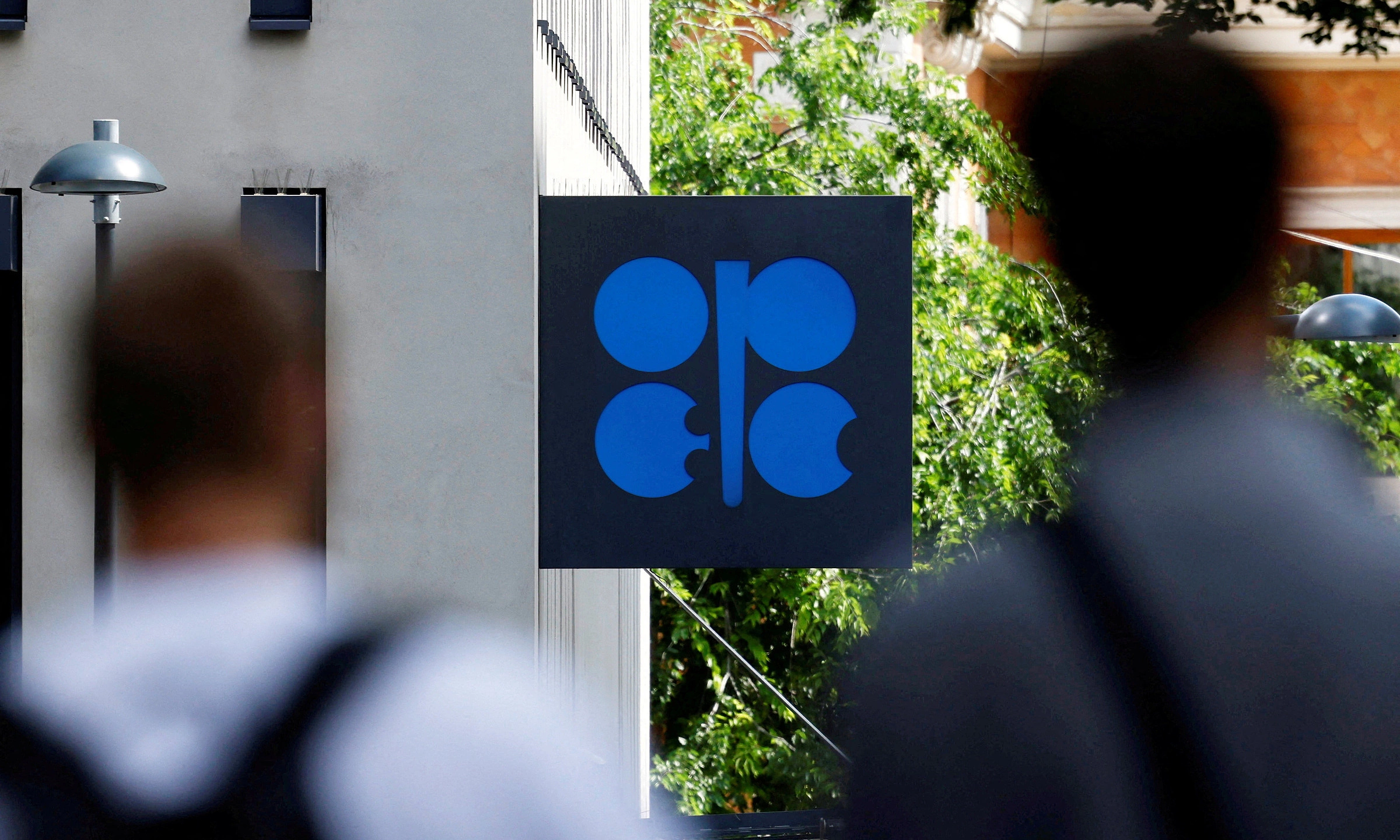
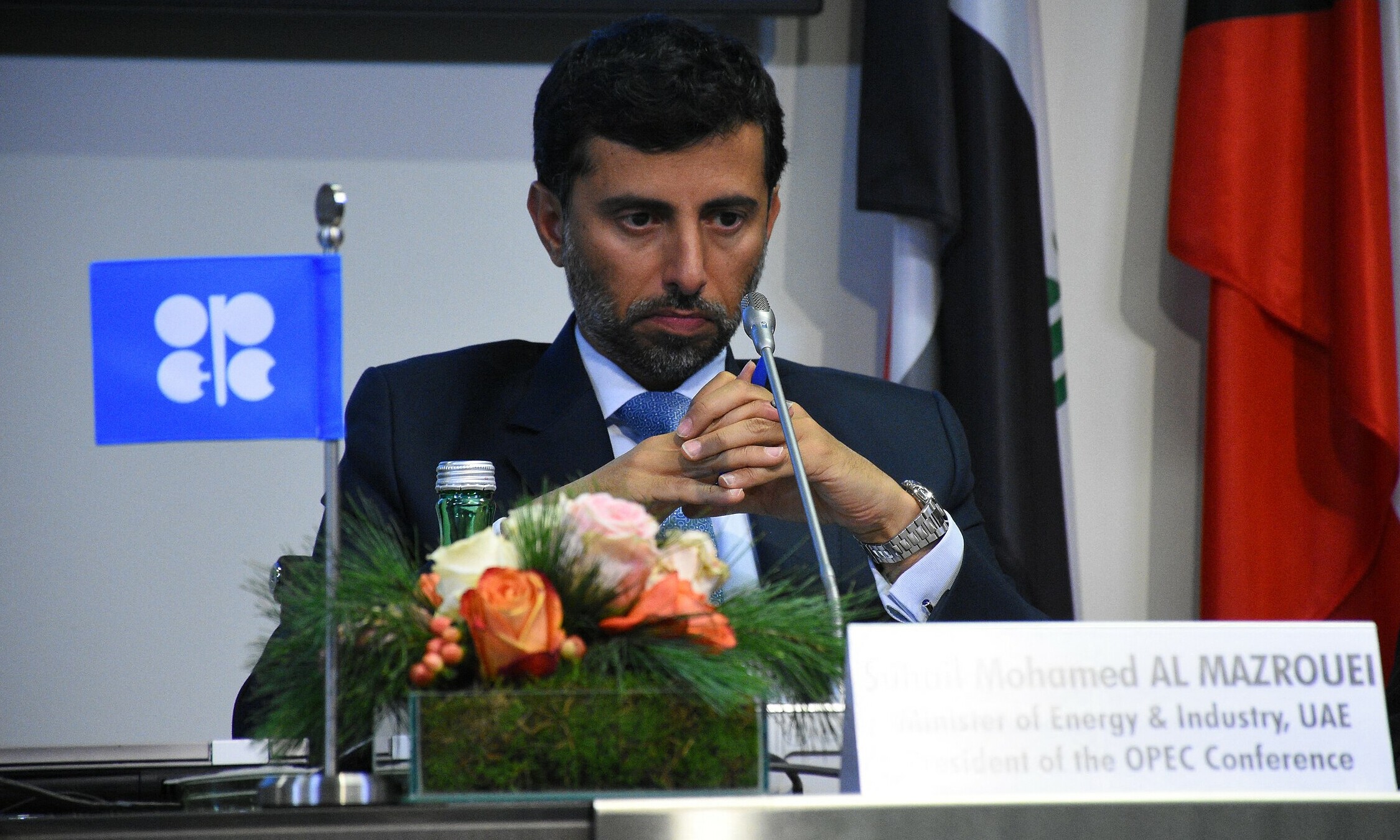
Investors are currently evaluating the impact of the United Arab Emirates (UAE) departing the Organization of the Petroleum Exporting Countries (OPEC). They do not anticipate a significant short-term effect. Callum Macpherson, Head of Commodities Research at Investec, explained that Middle Eastern nations would soon strive to maximize oil output.
Nevertheless, the UAE's exit from OPEC represents the largest rift in the organization's history, escalating the risk of oversupply and potentially leading to a drop in oil prices starting in 2027, according to Wood Mackenzie.
"The UAE's departure from OPEC has limited impact on market fundamentals in 2026, even if the Strait of Hormuz reopens," commented Simon Flowers, an analyst at Wood Mackenzie. "However, after this year, it will weaken OPEC's ability to balance the market, increasing the risk of oversupply and exerting downward pressure on prices."
Ha Thu (according to Reuters)