On the afternoon of 18/11, Minister of Agriculture and Environment Tran Duc Thang, authorized by the Prime Minister, presented to the National Assembly a draft Resolution on mechanisms to address difficulties in implementing the Land Law.
According to the draft, projects for free trade zones or international financial centers represent one of the three instances where the state will recover land. These projects require extensive land use, stimulate local economies, generate substantial revenue, and create jobs. However, current regulations lack land recovery provisions for these cases, hindering land access and project implementation.
The second case involves situations where a developer has negotiated for over 75% of the land area or with 75% of landholders; the provincial People's Council will then recover the remaining portion for the developer. The third case is when the state recovers land to create a land fund for payment under build-transfer (BT) contracts, for land leases, or for continued production and business activities.
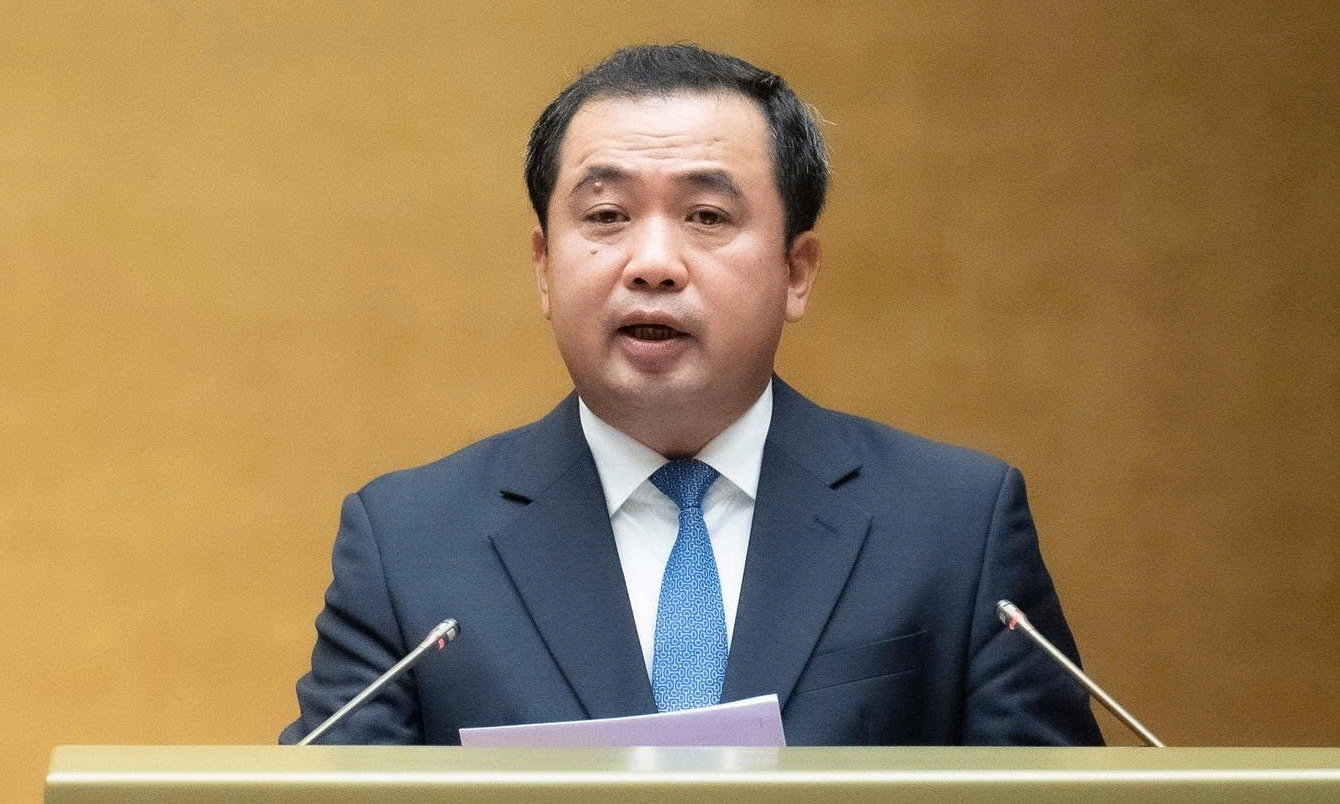 |
Minister of Agriculture and Environment Tran Duc Thang at the National Assembly session on the afternoon of 18/11. *Media Quoc Hoi* |
Under the current Land Law, the state can recover land for socio-economic development in 32 cases, categorized into three main groups: construction of public works, state agency headquarters, and important projects such as industrial zones, industrial clusters, high-tech zones, and land reclamation activities.
Minister Thang stated that the government proposes using land price tables and adjustment coefficients as the basis for compensation when the state recovers land. Currently, compensation is determined by specific land prices decided by local People's Committees at the time of approving compensation and resettlement plans.
For cases involving land allocation or leasing for land reclamation investment projects or projects with land reclamation components, the draft stipulates that investors must fulfill financial obligations based on specific land prices.
The draft Resolution also states that authorities will develop land price tables based on land type, location, and area. Provincial People's Councils will determine these tables, which will take effect from 1/1/2026. The tables will be amended and supplemented as necessary. For areas with digital cadastral maps and land price databases, the government proposes developing price tables down to each individual land parcel.
Reviewing this content, Phan Van Mai, Chairman of the Economic and Financial Committee, stated that the majority of opinions within the Committee assessed that these state land recovery cases would create favorable conditions for investors, as they would have already negotiated for most of the land area.
However, Mai noted that the government needs to further clarify the basis for proposing the percentage of land area and the number of consenting individuals. The Economic and Financial Committee also suggested that the government research a mechanism for handling the remaining portion of a project once an investor has agreed on over 75% of the area.
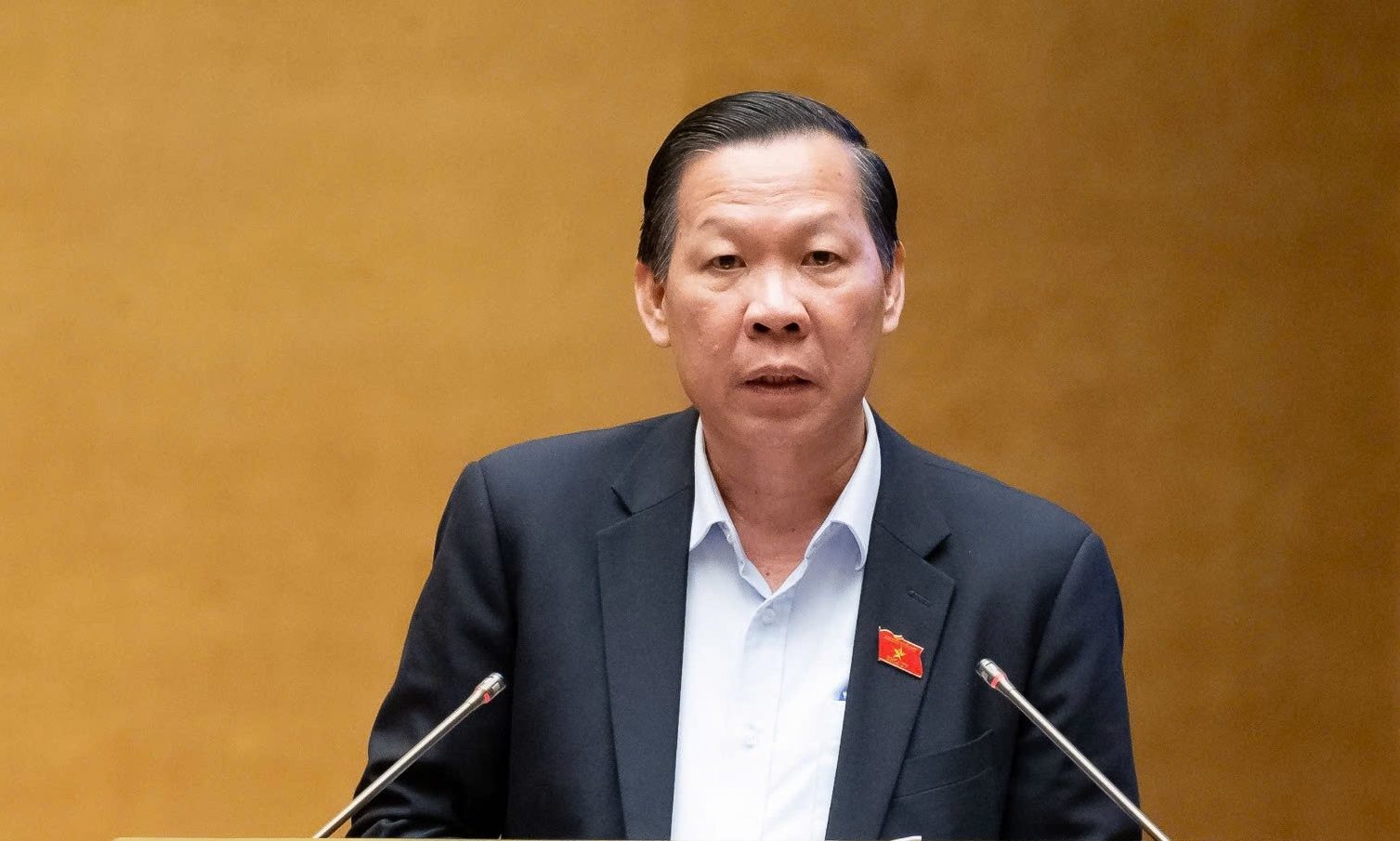 |
Phan Van Mai, Chairman of the Economic and Financial Committee, presented the verification report on the afternoon of 18/11. *Media Quoc Hoi* |
According to the reviewing agency, the government must also establish regulations to ensure a balance of interests when calculating compensation using land price tables and adjustment coefficients (K factor), thereby preventing potential complaints. Mai explained that compensation based on this method is often lower than the average agreed-upon amount.
Regarding the principle of market-based land valuation, Mai stated that this is essential for fostering a transparent and fair real estate market. However, he cautioned that the implementation process requires careful execution, a clear roadmap, and scientific, objective valuation methods. Concurrently, the government needs to strengthen its databases and enhance the oversight role of independent agencies.
The Economic and Financial Committee also concurred with the view that the state, as the representative owner of land, must exercise its right to control and determine land prices. The Committee proposed that the government review transitional provisions to ensure seamless implementation.
The National Assembly is expected to discuss this draft Resolution in groups on the afternoon of 19/11, in the main hall on 1/12, before voting for its approval on 11/12.
Anh Tu