On 11/12, the National Assembly approved a resolution to pilot special mechanisms for Ho Chi Minh City's development, with over 91,5% of votes in favor.
The resolution outlines the establishment of the Ho Chi Minh City free trade zone to pilot superior mechanisms and policies. Its primary aim is to attract investment, finance, trade, services, and high-quality human resources.
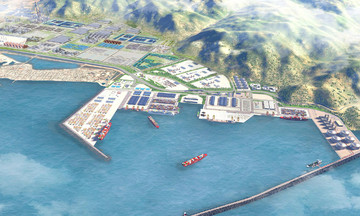
The Ho Chi Minh City People's Council holds the authority to determine the procedures for establishing and expanding the free trade zone's boundaries. Concurrently, the city's People's Committee can make decisions on these matters for the free trade zone linked to the Cai Mep Ha port area.
The Management Board of Export Processing Zones and Industrial Parks will directly manage the free trade zone. Traditionally, the Prime Minister holds the authority to decide on the establishment of industrial parks and economic zones.
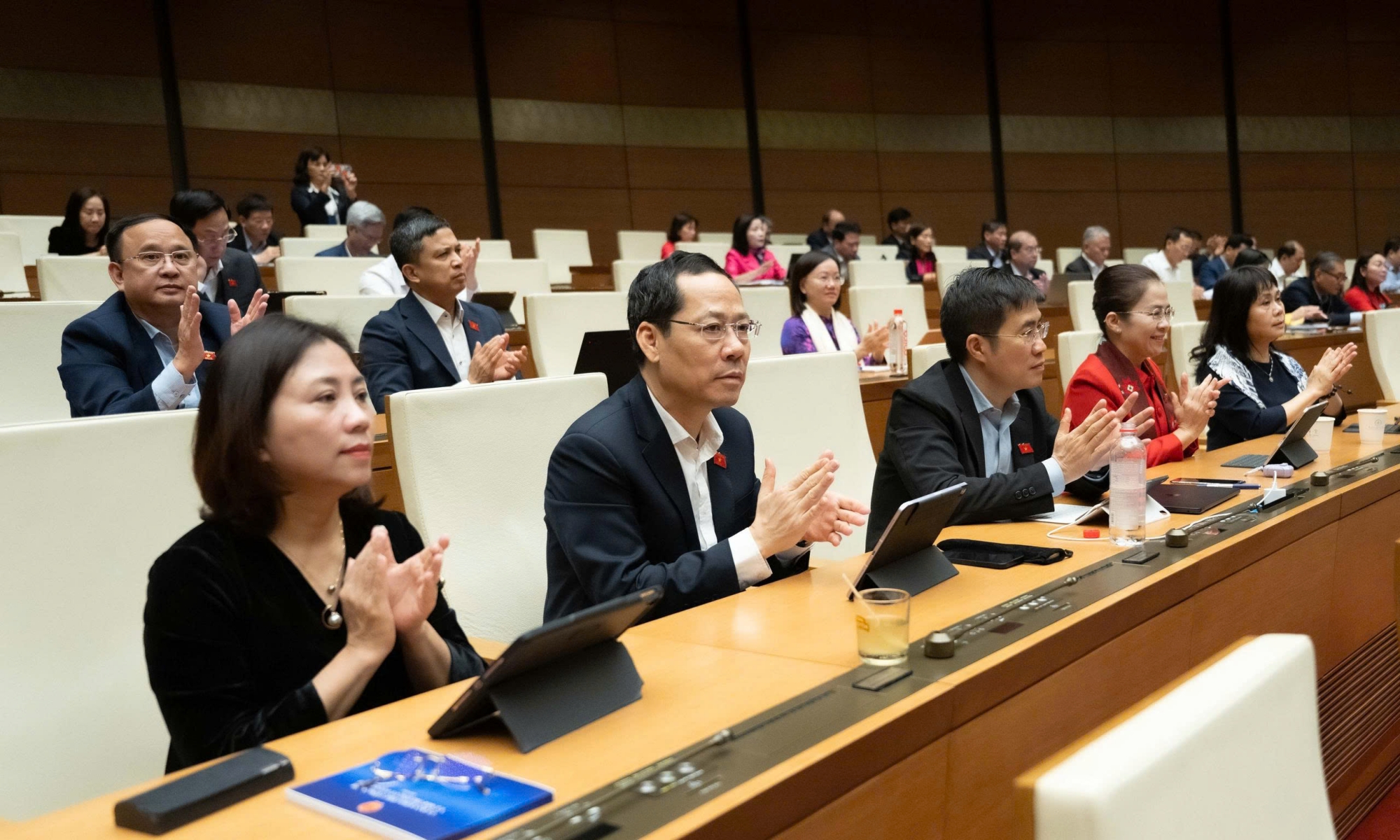 |
Delegates at the morning session on 11/12. Photo: National Assembly Media |
To accelerate investment attraction and infrastructure development, projects within the Ho Chi Minh City free trade zone, excluding commercial housing, will be exempt from land auctions and bidding. This mechanism represents a new approach, not currently outlined in the Land Law for production and business projects.
Businesses undertaking projects in this zone are eligible to register investments through special procedures. They will benefit from a 50% income tax reduction, bringing the rate to 10% for 20 years. This includes a four-year tax exemption, followed by an additional 50% reduction for the subsequent nine years. High-quality labor, experts, and scientists will also receive a 50% personal income tax reduction for 10 years.
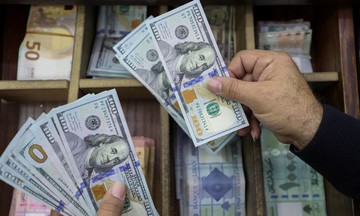
Furthermore, businesses operating within the zone are permitted to list, value, and conduct payments in foreign currency. This provision marks a significant departure from standard foreign exchange management regulations.
In its explanatory report, the Government highlighted the necessity of implementing special investment processes and procedures to reduce processing times. The Government views these special procedures as a strong commitment by the State to investors, creating a competitive advantage regionally and internationally, and enhancing Ho Chi Minh City's appeal as an international financial center.
The resolution also grants Ho Chi Minh City the right to retain all revenue generated from land exploitation in Transit-Oriented Development (TOD) areas. This urban development model prioritizes public transportation. The retained funds will be primarily allocated to investing in urban railway projects and transport infrastructure along TOD routes. Over the next 10 years, the city anticipates developing approximately 355 km of urban railway and implementing TOD at 11 locations along metro lines.
Anh Tu