Plastic bags are not designed for long-term use. They can be carried by wind across urban areas or decompose, releasing harmful microplastic particles. As a result, plastic bags are increasingly being phased out. For example, 12 US states have banned them, and some cities have implemented their own regulations, including taxes.
Concurrently, many brands, stores, and consumers are actively choosing multi-use reusable bags, typically made from fabric, canvas, or thicker plastic, to protect the environment from plastic waste.
However, achieving high durability means producing reusable bags consumes significant energy and resources, such as the water required for cotton cultivation. Researchers have found that the number of times a bag must be reused to offset its production's environmental cost varies greatly by material.
There is no single ideal number of uses for all bag types. However, durable, thick bags often carry a greater "environmental debt" than plastic bags, requiring numerous reuses to offset their initial impact.
Shelie Miller, a sustainable development research scientist at the University of Michigan, emphasized that reusable bags are only beneficial if used frequently. "Reusable bags are generally good for the environment, provided they are actually used many times", she stated.
According to a UK study cited by Stanford Magazine, a paper bag needs to be used three times on average to offset its environmental impact. Paper bag production requires about four times more water than plastic bags, not to mention the fertilizers and chemicals needed for cultivating raw material forests.
Conversely, a conventional cotton bag requires 131 reuses to offset its production's environmental impact. Bags made from non-woven PP fabric need 11 reuses to reach an environmental "break-even point".
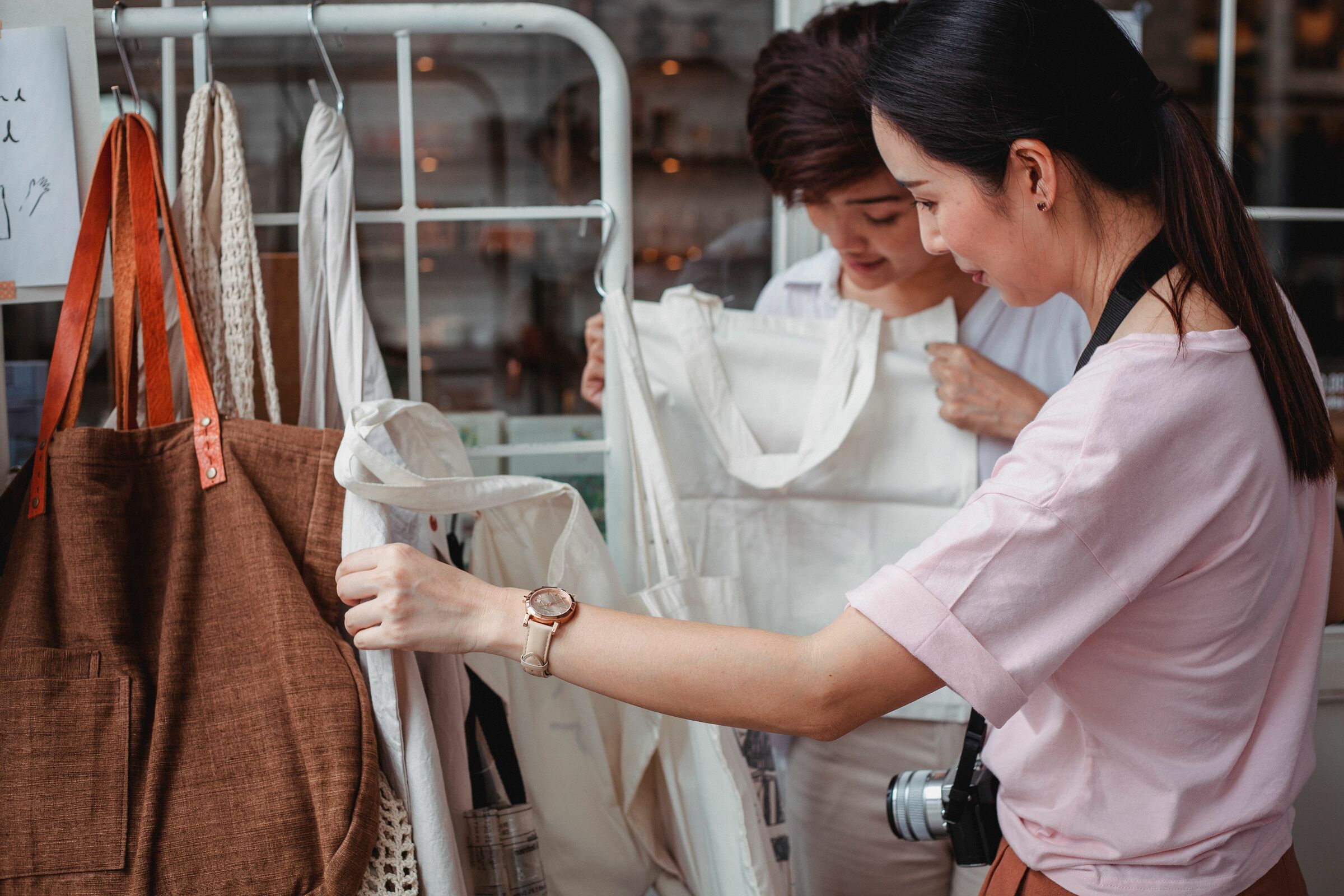 |
Consumers choose multi-use reusable fabric bags. Photo: Pexels |
Many people inadvertently accumulate numerous reusable bags, resulting in most of them being rarely used. Space organization expert Britnee Tanner often discovers surplus reusable bags hidden under kitchen sinks or stuffed into cabinet corners when visiting clients.
"They just quietly appear", said Tanner, who resides in Salt Lake City, Utah. Consumers typically purchase only a few, but often receive many for free at events or as gifts from supermarkets during promotions.
Environmental economist Kimberly Oremus used her bag for 10 years. She admitted that, intentionally or not, other bags of various shapes and sizes still accumulated in her home.
Experts suggest the environmental impact of an individual reusable bag is relatively small, so accumulating many is not a critical issue. Nevertheless, reducing the number of bags can help declutter storage and ensure the remaining ones are actually used.
"You don't need a whole closet full of reusable bags. What you need are reusable items that are used frequently and cherished. That's what truly creates environmental benefits", Shelie Miller advised.
Home organization expert Tanner advises consumers to keep only their favorite bags and assign specific tasks: one for books, a few for grocery shopping, and another for carrying lunch to work.
After use, return bags to their designated spot, whether in a car trunk or handbag, for easy access. Excess bags can be given to friends or donated if numerous.
Moreover, once you have enough bags, avoid acquiring new ones. If shopping without a bag, environmental economist Kimberly Oremus suggests asking stores for cardboard boxes. She also uses bags until they are no longer functional, then takes the remaining material to textile recycling centers.
Phien An (according to AP, Stanford Magazine)