The businesswoman presented the proposal at the seminar, "Developing outlet centers in TP HCM - a breakthrough opportunity and new growth driver for trade, services, and tourism," organized by the Department of Industry and Trade of TP HCM on 19/8. From an investor's perspective, Ms. Tien believes the outlet model, which sells genuine products at prices lower than listed, is opening up significant growth potential for Vietnam's retail market.
Ms. Tien stated that Vietnam is currently one of the world's major manufacturing hubs for textiles, footwear, handbags, and wooden furniture for many international brands. Textile and garment exports alone are projected to reach 46 billion USD in 2025, ranking second globally. Wood and wood product exports exceed 18 billion USD, placing Vietnam among the top producers worldwide. However, the CEO noted a paradox: Vietnamese consumers and international tourists often lack opportunities to access these genuine products at attractive prices within Vietnam.
"Every year, millions of Vietnamese travel to Singapore, Bangkok, Seoul, Tokyo, or Hainan to purchase 'Made in Vietnam' products at outlet prices," Ms. Thuy Tien said.
 |
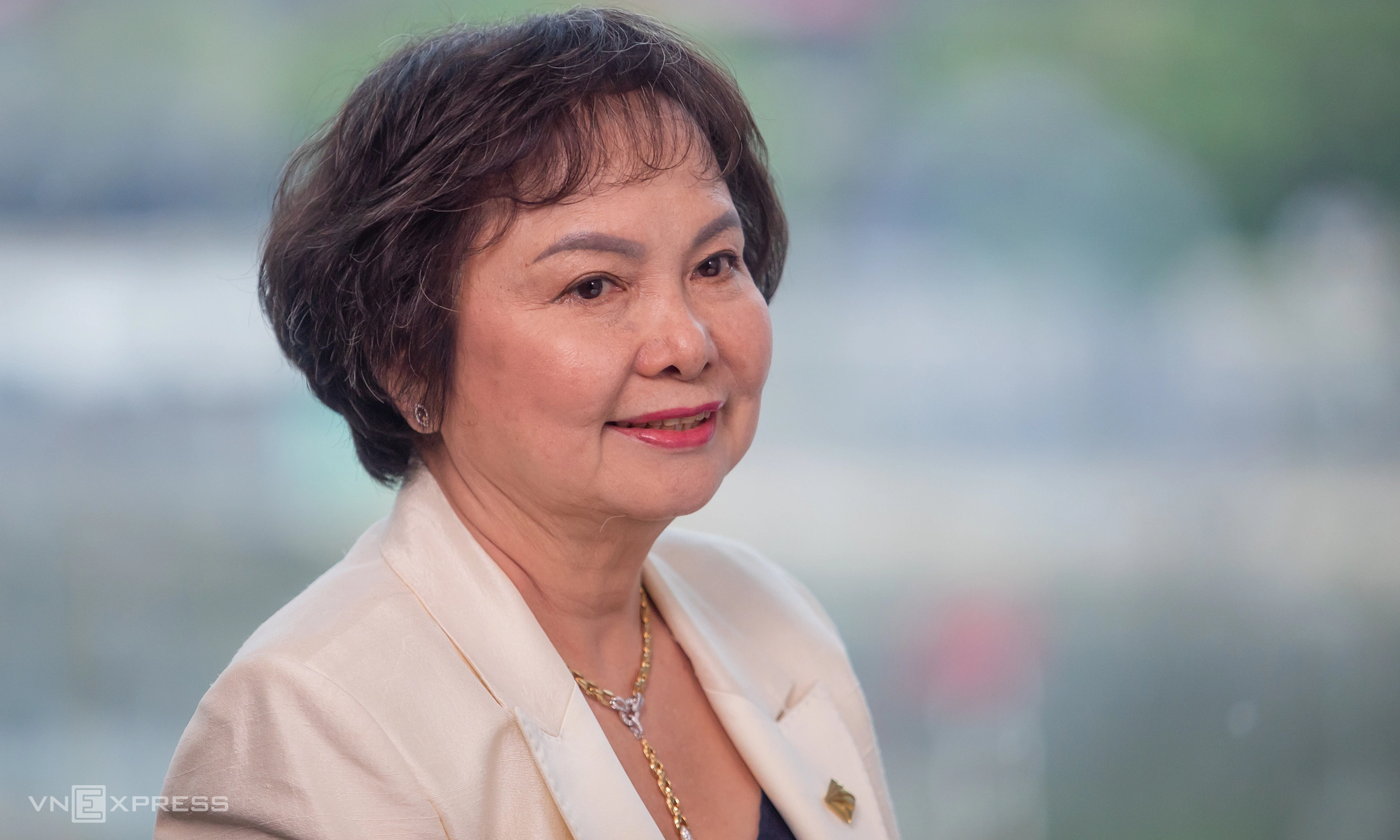
Ms. Le Hong Thuy Tien, IPPG CEO. Photo: NVCC |
This reality, she explained, indicates existing market demand, while Vietnam's retail system still lacks a large-scale, professional, and internationally compliant outlet model. Beyond being a discount retail space, the "Premium Outlet" model can become a destination for shopping combined with tourism, experiences, and entertainment. Brands gain an effective distribution channel for inventory, end-of-season items, samples, or product lines specifically designed for the outlet channel. Meanwhile, consumers have the opportunity to access genuine products at more appealing prices.
From an investor's viewpoint, Ms. Thuy Tien believes that for this model to develop authentically, specific mechanisms for discount activities are needed. She proposed that genuine inventory, end-of-season items, samples, and products manufactured exclusively for the outlet channel should be permitted for deep and frequent discounts.
According to Ms. Thuy Tien, another important condition for attracting major investors is policy stability. More broadly, the development of a premium outlet model should be integrated into a complete retail-tourism ecosystem. When combined with a downtown duty free model, efficient transportation systems, tourist attractions, and accommodation services, outlets can create a new "shopping destination" for TP HCM, helping to retain spending by Vietnamese consumers who increasingly shop abroad.
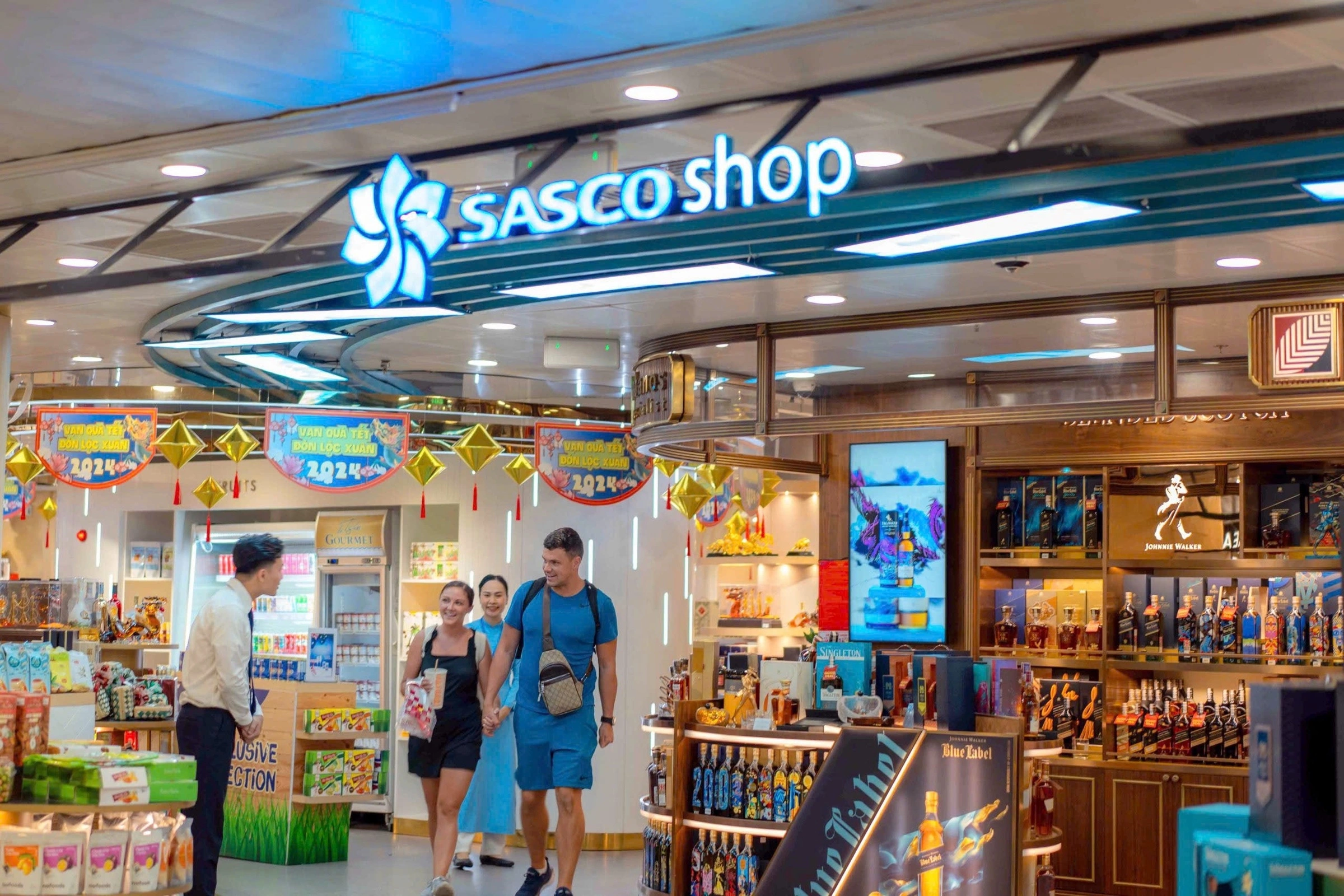 |
A luxury goods store operated by Sasco, an IPPG member. Photo: IPPG |
With its advantage as a major economic, commercial, and tourism center, TP HCM possesses the conditions to test and develop this model. The remaining challenges, according to experts and businesses, involve completing the legal framework, selecting suitable land, and establishing attractive mechanisms to draw international brands and investors.
Previously, in mid-July, TP HCM issued an action plan to implement the goods import and export strategy for the 2026-2030 period. In this plan, TP HCM stated it would research developing an "in-situ export" model through shopping tourism. The city plans to pilot one to two outlet centers linked to commercial, tourism, and logistics zones to attract international visitors and promote key products and high-quality Vietnamese goods.
IPPG - Imex Pan Pacific Group is a leading retail business in Vietnam, holding nearly 70% of the domestic market for international luxury brands. Over 40 years, the group has grown to include 17 member companies and 18 joint ventures and associates.
Hoai Phuong