A company representative stated that the 2025-2026 period marks an acceleration in public investment, with total allocated capital projected to surpass 900,000 ty dong and over 1 million ty dong respectively. Transport infrastructure is expected to account for approximately 40% of this investment. This represents a 30-50% increase in capital compared to 2024, generating more opportunities for infrastructure contractors.
Against this backdrop, CC1 reported positive business results. For the first six months, revenue reached 6,464 ty dong, a 31% increase year-on-year, while pre-tax profit surged 135% to 110,7 ty dong. The company noted that this growth momentum began in prior periods. As public investment accelerated from 2024, CC1's revenue reached 10,160 ty dong and further set a record of 11,816 ty dong in 2025.
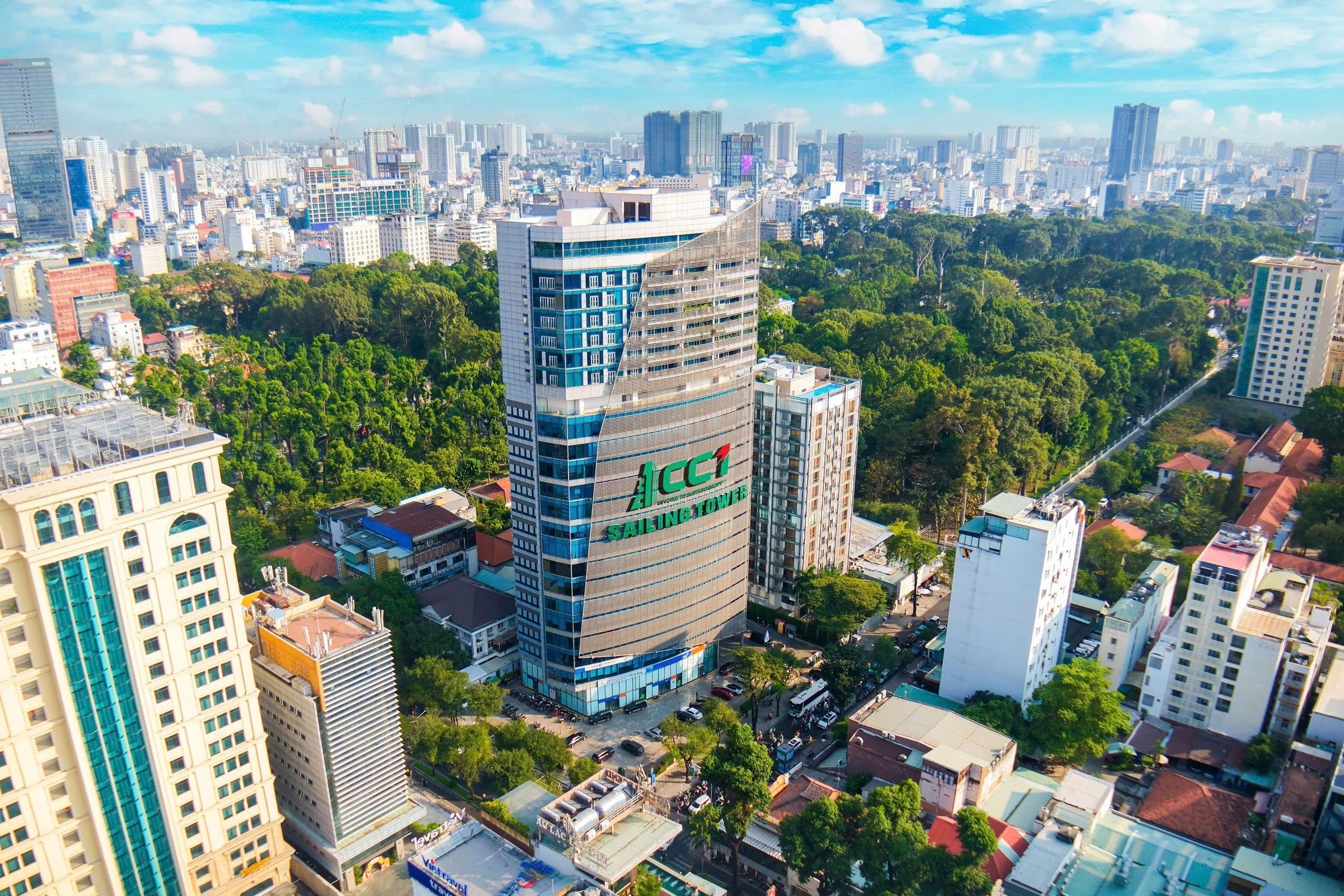 |
Company headquarters. Photo: CC1 |
Alongside its strong financial performance, CC1 also expanded its scale. As of 30/6, total assets reached 20,287 ty dong, an 18,5% increase compared to the end of 2025. The company also secured new contracts valued at nearly 8,000 ty dong, elevating its total backlog to over 50,000 ty dong. This portfolio features major infrastructure projects, including Ring Road 4 - Hanoi Capital Region, as well as upcoming projects such as Cat Lai Bridge and Long Hung Bridge (Dong Nai 2 Bridge).
The company stated that while this substantial workload lays a foundation for future operations, it also demands enhanced capabilities in construction organization and resource management. This challenge is compounded by fluctuating construction material prices and persistent risks of localized supply shortages.
Cost pressure remains a significant challenge. The accelerated pace of key infrastructure projects necessitates rapid mobilization of labor, equipment, fuel, and material supplies, leading to increased construction costs and impacting gross profit margins.
Furthermore, periodic business results are influenced by the unique revenue recognition practices of the construction industry. Regulations stipulate that revenue is recorded only when work volume meets acceptance and payment conditions. Consequently, some completed work, pending procedural finalization, is not reflected in the current period's revenue and is typically recognized in subsequent periods. This can lead to periodic figures not fully representing the actual scale of operations.
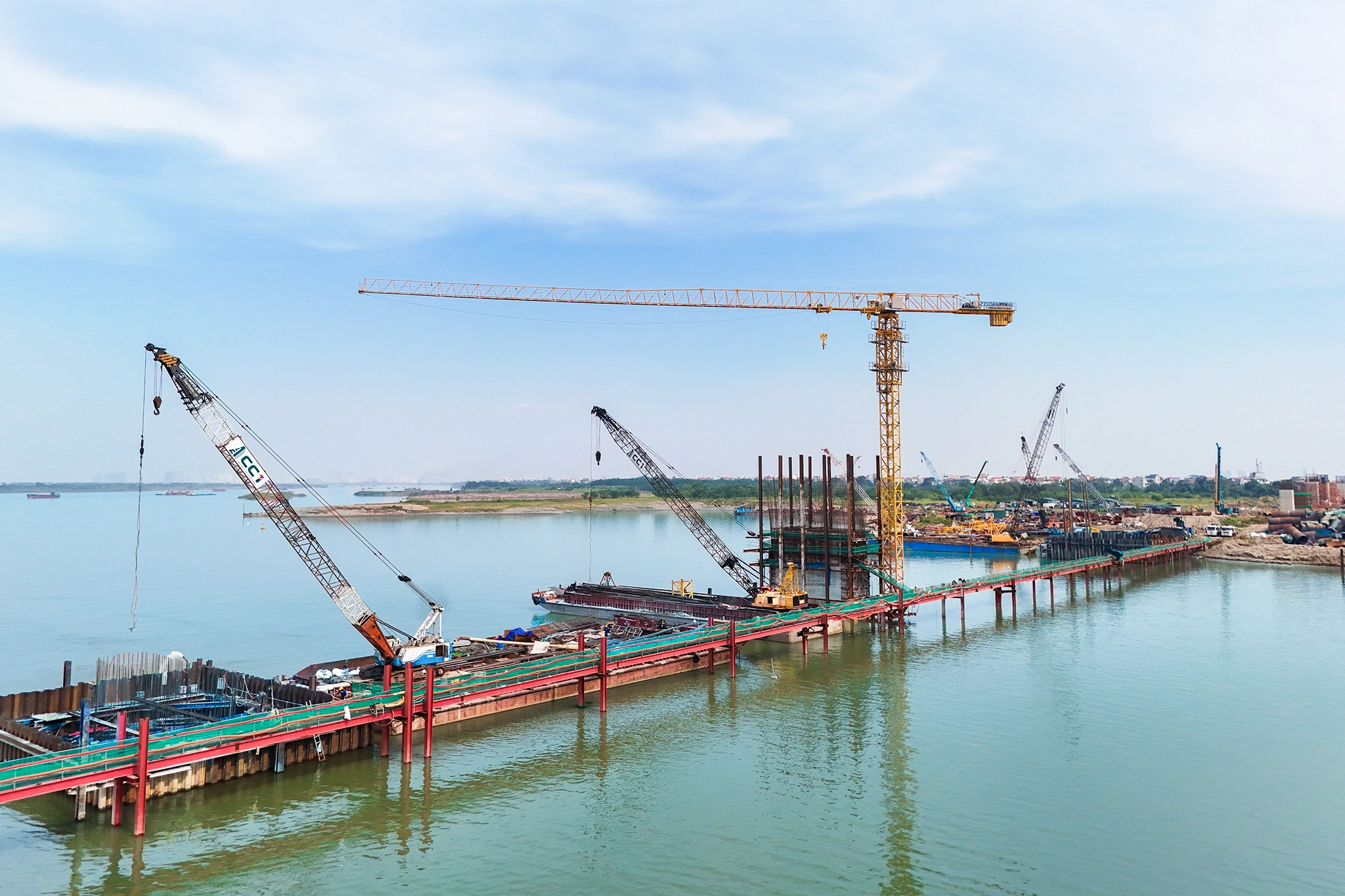 |
Hong Ha Bridge, part of the Ring Road 4 - Hanoi Capital Region project, under construction by CC1 and other contractors. Photo: CC1 |
To mitigate the impact of cost fluctuations and ensure construction progress, CC1 proactively enters into long-term supply contracts for key material groups and pre-procures materials for major projects. While this approach may increase short-term working capital requirements, it enhances the company's control over supply, reduces the risk of construction disruptions, and minimizes the impact of price volatility.
The company analyzed that in the long term, as challenges related to material pricing mechanisms and settlement procedures are progressively resolved, the value of completed but unrecognized work will be reflected in its financial results. With a substantial signed workload and sustained public investment, CC1 is expected to have further opportunities to expand operations and enhance business efficiency in subsequent periods.
Hoang Dan