A high-level meeting led by Deputy Prime Minister Ho Quoc Dung addressed challenges facing the Thai Binh Duong Shipbuilding and Repair Factory Project on the afternoon of 17/9 at the Government headquarters.
This significant project, valued at 2,400 billion VND, is managed by Thai Binh Duong Shipbuilding Joint Stock Company (Cong ty Co phan dong tau Thai Binh Duong). Located on the Song Cam riverfront (left dike of Song Cam river) in Hai Phong, it was initially licensed in 2008, with its planning adjusted in 2015.
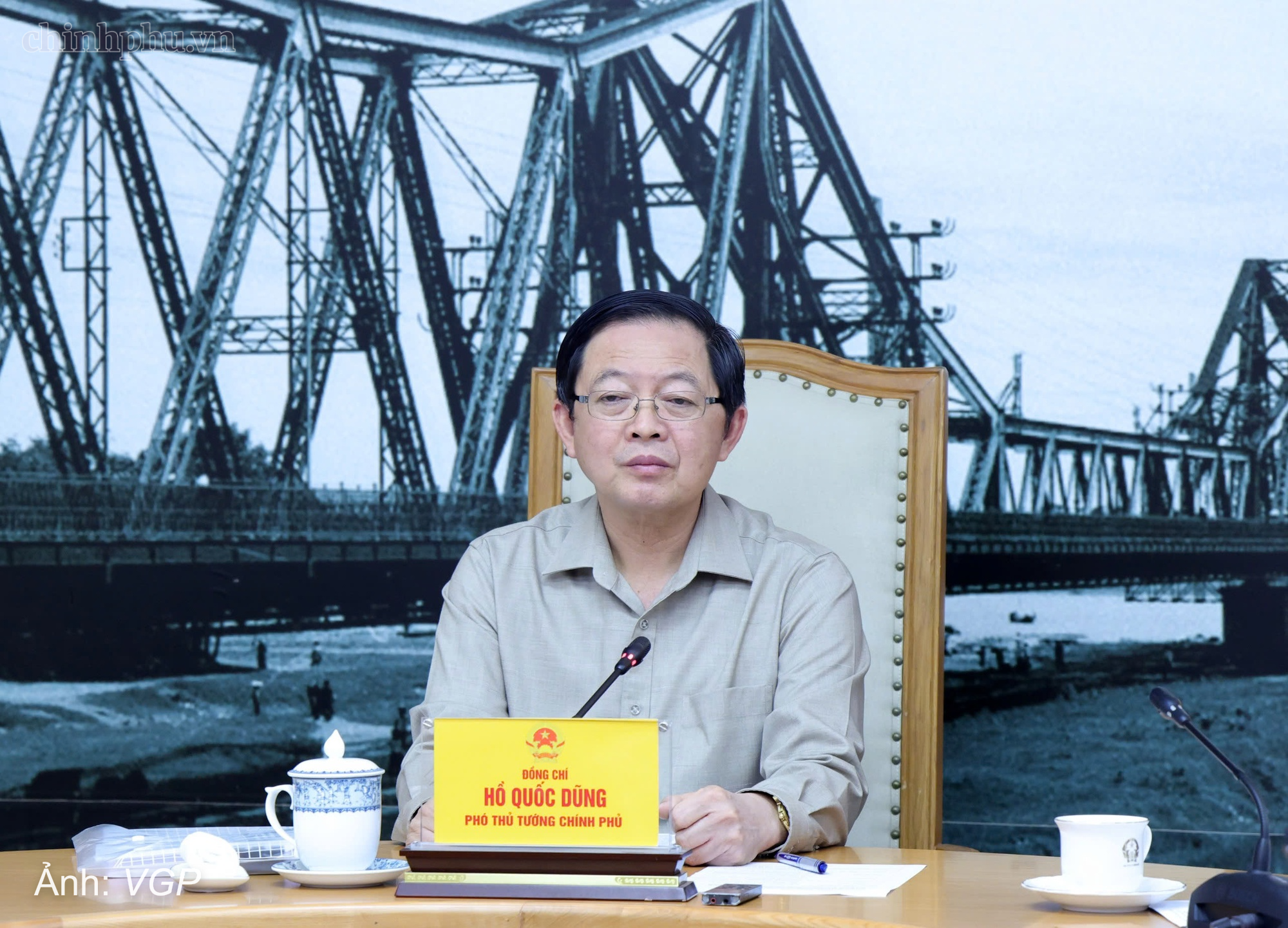 |
Deputy Prime Minister Ho Quoc Dung chairs a meeting with relevant ministries, agencies, and Hai Phong City People's Committee on resolving difficulties and obstacles for Thai Binh Duong Shipbuilding Joint Stock Company. *Photo: chinhphu.vn*
According to Tran Van Quan, Vice Chairman of Hai Phong City People's Committee, the project has encountered several complexities, particularly concerning the application of dike regulations to its existing structures. He emphasized the need for a comprehensive review based on its legal foundation, current land use, potential impact on flood control, dike safety, natural disaster prevention, and alignment with relevant planning.
An inspection by authorities revealed that construction permits for some workshops outside the dike did not fully comply with dike laws. Additionally, the pier and slipway lacked proper licensing, and the project area was not included in the list of riverfronts as stipulated by the Prime Minister's 2016 regulations.
Quan affirmed Hai Phong City's commitment to strictly addressing these violations and holding responsible individuals and groups accountable, stressing that there would be no legalization of wrongdoings.
Despite the violations, Hai Phong has proposed practical solutions to protect the assets already invested. Recent hydraulic assessments indicate that the project would only increase the design flood water level by approximately 1 cm and cause negligible changes in flow velocity, posing no significant impact on dike safety or flood drainage capacity. Furthermore, the project aligns with Hai Phong City's Master Plan until 2040, with a vision to 2050, which has received Prime Ministerial approval.
Recognizing the project's socio-economic effectiveness and its role in the local shipbuilding industry, Deputy Prime Minister Ho Quoc Dung directed Hai Phong City People's Committee to utilize the National Assembly's resolution on specific mechanisms and policies for addressing land violations, along with other relevant regulations. He urged Hai Phong to promptly finalize necessary procedures and decisively resolve outstanding issues to ensure the company's production stability.
The Deputy Prime Minister emphasized that the resolution process must be based on a comprehensive assessment, ensuring compliance with legal provisions. This approach aims to maximize the effectiveness of invested resources, enhance the local socio-economic benefits, and promote the continued development of Hai Phong's shipbuilding industry.
Le Tan