The Gulf nation has not specified its daily oil barrel reduction but stated it is a precautionary measure, to be reviewed based on regional tension.
Kuwait is the fifth largest oil producer in the Organization of the Petroleum Exporting Countries (OPEC). In January, it produced approximately 2,6 million barrels per day.
Kuwait Petroleum Corporation stated it is ready to restore production levels when conditions allow.
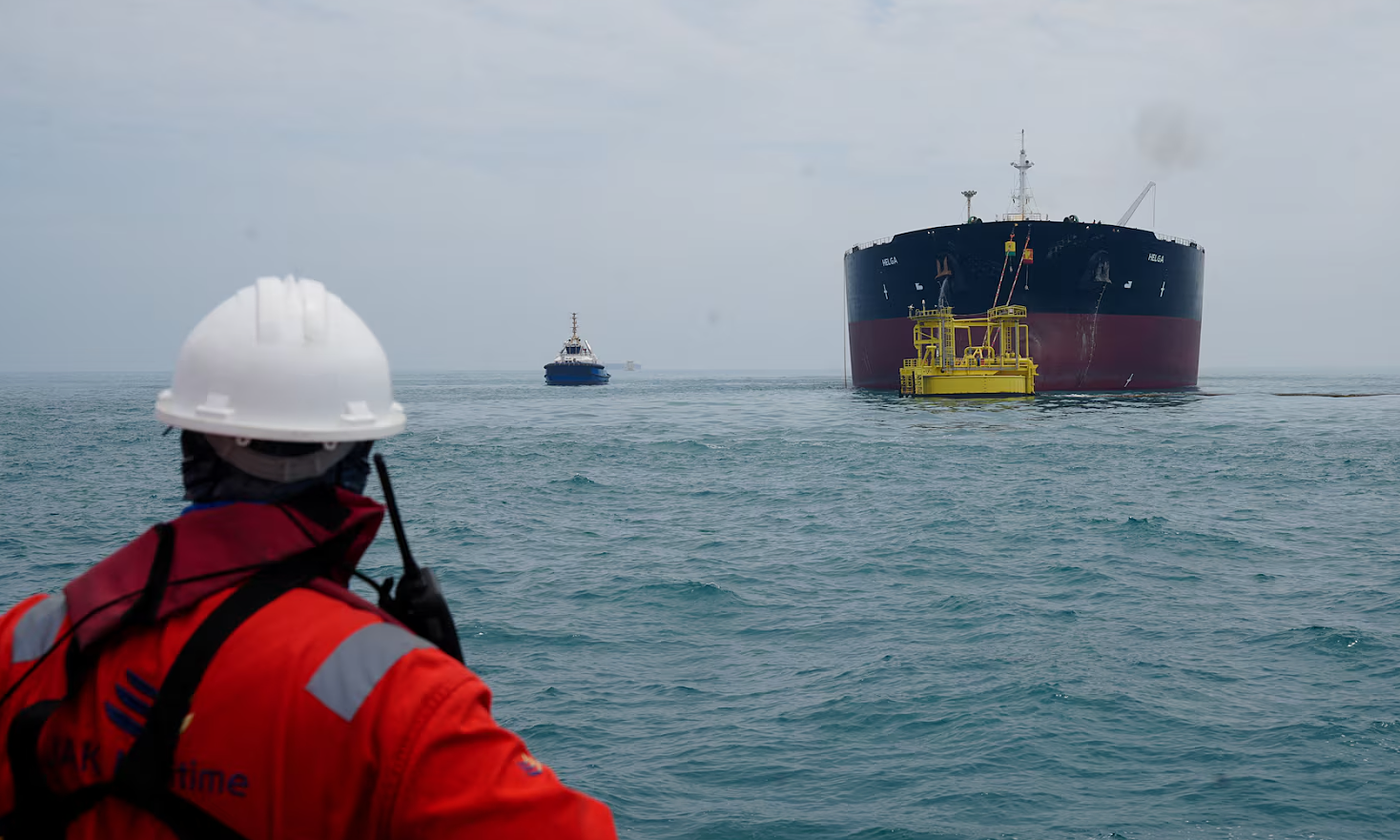
Global oil prices increased by about 35% this week as tensions in the Middle East escalated from 28/2, disrupting global energy supplies. Tankers cannot pass through the Strait of Hormuz, a crucial shipping route, as shipowners fear potential attacks.
This narrow sea lane is the only access point to and from the Persian Gulf, with about 20% of global oil consumption transported through it. According to Kpler data, fuel oil exports via the Strait of Hormuz average 3,7 million tons per month.
Oil is accumulating in the Middle East as tankers remain stationary. Consequently, Gulf producers are forced to reduce output when storage facilities run out of space. Iraq has cut production by 1,5 million barrels per day due to insufficient storage.
Natasha Kaneva, JPMorgan's Head of Global Commodities Research, noted in a client report on 6/3 that the market is shifting from purely pricing geopolitical risks to confronting actual operational disruptions.
According to Kaneva, Middle Eastern nations will exhaust storage capacity and be forced to halt oil production if the conflict extends beyond three weeks. In such a scenario, Brent crude prices could exceed 100 USD per barrel.
JPMorgan estimates production cuts could exceed 4 million barrels per day by next weekend if the Strait of Hormuz remains closed.
By the end of 6/3, crude oil prices recorded their largest weekly increase in futures trading history. Brent crude rose by 8,52% to 92,69 USD per barrel, while WTI increased by 12,21% to 90,90 USD.
Over the past week, US crude oil increased by 35,6%, its strongest rise since futures contracts began trading in 1983. Brent increased by 28%, its largest weekly gain since April 2020.
Asian cargo ships are also struggling to find fuel oil, as the conflict disrupts supplies from the Middle East. Gasoline and diesel prices in the US increased by 11-15% compared to last week, amidst global energy supply chain disruptions.
The Middle East conflict also disrupts global natural gas supplies. Qatar halted liquefied natural gas (LNG) production earlier this week due to attacks from Iran. About 20% of global LNG exports originate from Qatar.
LNG is natural gas cooled into a liquid form, allowing it to be loaded onto ships and exported worldwide. Natural gas is primarily used for electricity generation and heating.
Tu Anh (according to CNBC)