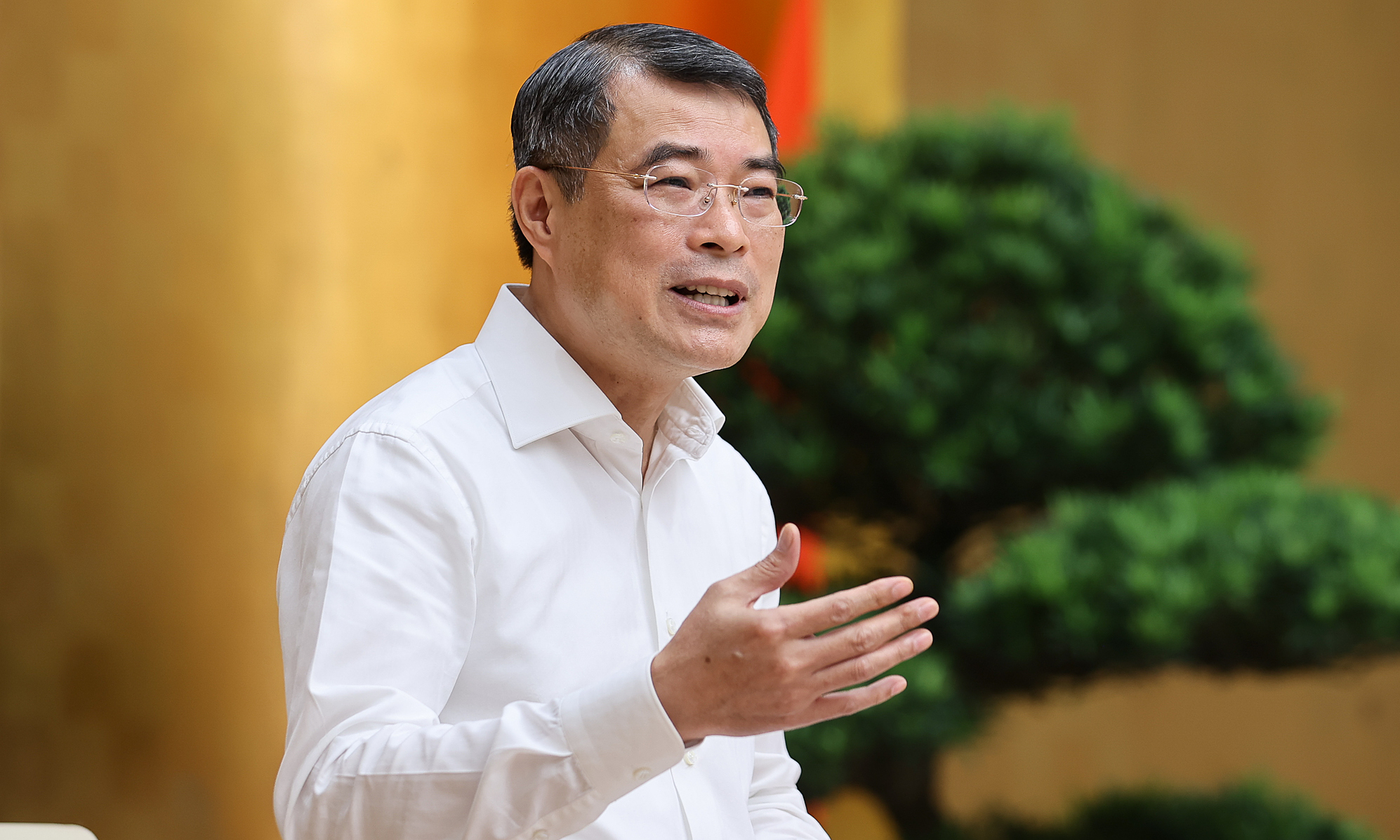
Speaking at the conference on promoting GRDP growth and budget collection solutions on the afternoon of 10/3, Nguyen Xuan Dat, Director of Quang Tri Department of Finance, announced that the total tax debt in the province remains high, despite the tax authority's implementation of various enforcement measures.
Dat reported that as of the end of January, the province's total tax debt reached 2,567 billion dong. Recoverable debt constitutes nearly 93%, or 2,378 billion dong. The remaining 161 billion dong, representing 6.3%, is deemed unrecoverable, stemming from dissolved, bankrupt, or abandoned businesses. An additional 28 billion dong is currently under processing.
 |
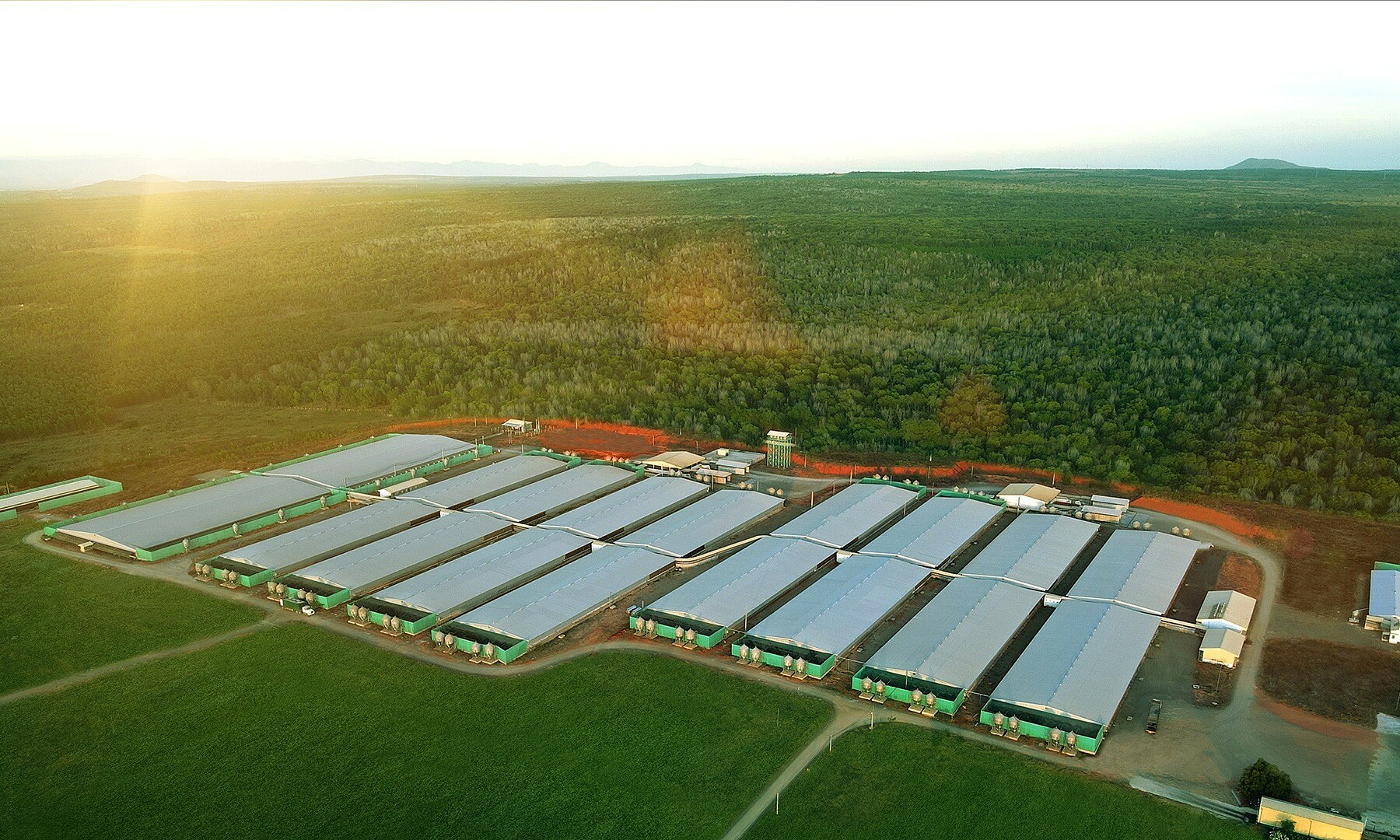
A project leased by Sai Gon - Quang Binh Tourism Joint Stock Company for implementation remains unfinished and owes taxes. Photo: Dac Thanh |
Key debtors include: FLC Group Joint Stock Company, owing approximately 450 billion dong; Cosevco I Construction Material Production Joint Stock Company, with nearly 88 billion dong; Son Hai Riverside Co., Ltd., owing 45 billion dong; and Sai Gon - Quang Binh Tourism Joint Stock Company, with a debt exceeding 41 billion dong.
The Quang Tri Department of Finance attributes the mounting tax debt primarily to businesses encountering operational challenges. Delays in several resort projects have resulted in substantial land lease debts and accrued late payment penalties.
Furthermore, many businesses incurred one-time land lease payment obligations for their entire lease terms starting in 2022. Their failure to fully remit these payments to the state budget has exacerbated the prolonged tax debt.
Ha Van Khoa, Head of the Quang Tri Provincial Tax Department, reported that while the tax agency has employed various recovery and enforcement measures and advised the Provincial People's Committee to form a Steering Committee for Debt Recovery, progress in debt collection remains slow.
To definitively address the issue, the tax authority urges the province to instruct departments and agencies to collaborate closely to prevent revenue loss. Khoa emphasized, "For businesses with delayed projects and persistent tax debt, revoking mineral exploitation licenses, land lease decisions, or real estate investment projects should be considered if they fail to meet their financial obligations to the state budget."
Dac Thanh