According to Masan representatives, for the recycling industry to develop sustainably, input raw materials need to be sufficiently diverse and stable. This is especially true for tungsten, as global supply is highly concentrated, and competition for raw materials is increasing.
From this perspective, Masan believes that suitable tungsten scrap for recycling can be viewed as a secondary raw material rather than merely waste. When technology allows for recovery and recycling into valuable products, this material source can re-enter the production chain. This trend is occurring in many developed economies, where scrap containing strategic materials is increasingly linked to resource security and supply chain issues.
More broadly, the company's view also raises the issue of raw materials for the strategic material recycling industry. When materials can be recovered and returned to production, diversifying inputs supports recycling activities. This contributes to more efficient use of economic resources, promotes environmental protection, and aims for green growth and sustainable development.
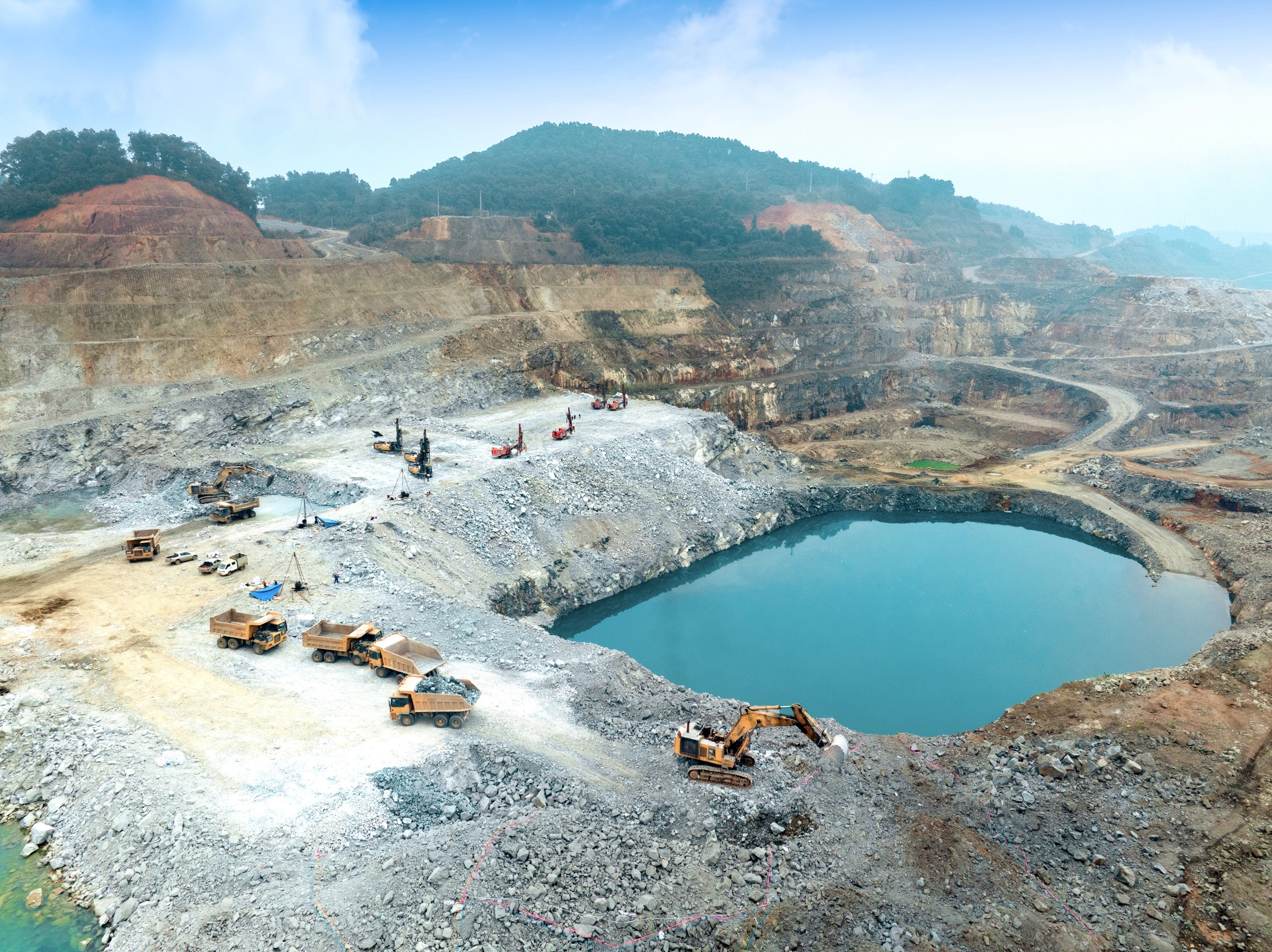 |
Mining at Nui Phao mine. Photo: Masan |
Masan's proposal aligns with the company's development direction pursued for many years. Instead of viewing minerals primarily from the perspective of extraction and export, the company identifies resources as inputs for developing domestic industrial and technological capabilities. At Nui Phao, the unit invests in technology, deep processing of polymetallic ore, and developing high-value-added tungsten products.
This foundation also allows Masan High-Tech Materials (MSR) to gradually expand the scope of raw materials for processing. In addition to ore mined at Nui Phao, the company receives concentrate from partners to utilize existing capacity. Refined tungsten output in Q2/2026 increased by 91% compared to the same period, due to improved mining output and increased external concentrate after MSR was granted a processing license.
The ability to process raw materials from multiple sources opens up a broader growth model. Alongside internal resources and concentrate from partners, secondary materials suitable for recycling could become an additional component in the future. The company focuses on perfecting a circular economy model by owning a closed-loop cycle including: collection, processing, recycling of scrap materials, and returning raw materials to production. Through this, MSR's value creation potential no longer relies solely on the output of a single mine, while also better utilizing the technological capabilities invested in over many years.
According to Masan representatives, the Nui Phao deep processing tungsten plant has advanced technology, an environmental control system meeting international standards, and products with a global market position. The company also aims to develop recycling capacity to diversify tungsten supply.
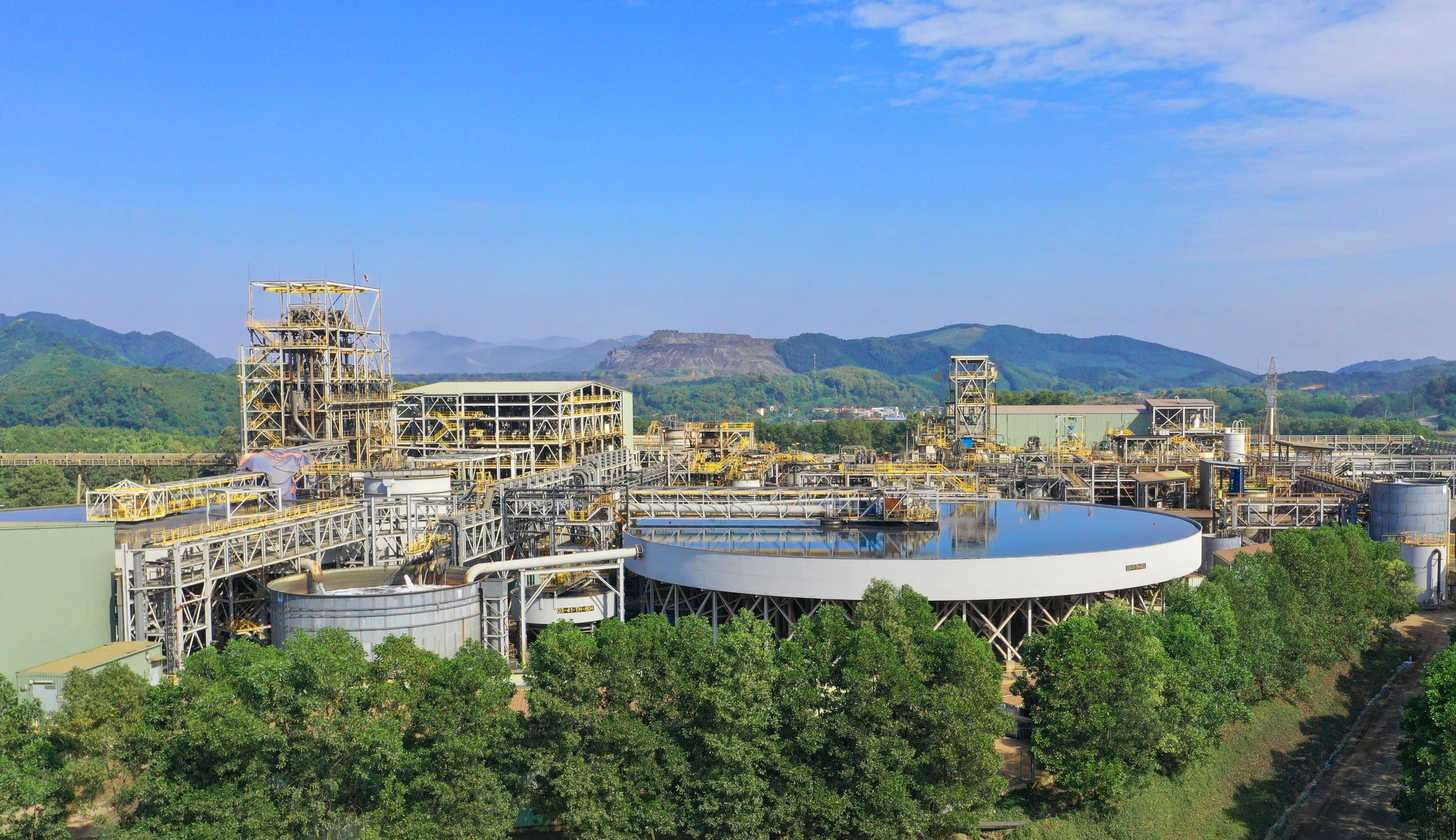 |
Nui Phao deep processing tungsten plant. Photo: Masan |
From a broader perspective, for the mineral industry, development potential comes not only from mining but also from deep processing, recycling, mastering technology, and deeper participation in the global value chain. Masan believes that recycling can become an important piece to extend the lifespan of resources. Connecting resources with deep processing capabilities demonstrates the ability to develop high-tech materials, enhancing Vietnam's competitive position in the international tungsten market.
According to the unit, for this model to expand, in addition to technological capabilities or raw materials, management mechanisms are also needed. Previously, while compiling business recommendations on issues in land, environment, geology - minerals, and material sources, VCCI identified the waste management mindset of disposal rather than circularity as one of five systemic causes.
Hoang Dan