On 10/8, the Vietnam Trade Office in Germany provided some notes for Vietnamese businesses regarding Europe's Electrification Action Plan.
According to the Trade Office, Germany will be a crucial gateway for Vietnamese businesses to join the supply chain supporting the EU's electrification process. Demand for imported components, equipment, and materials for Europe's green industries will be heavily concentrated in Germany. Necessary items include: electrical and electronic equipment, power cables, conductors, precision mechanical components, renewable energy equipment, batteries, and electricity storage systems.
Concurrently, the EU's new plan also poses challenges for Vietnam's energy-intensive industries, such as steel, cement, chemicals, construction materials, and mechanical engineering. Businesses in these sectors will face increasing emission reduction requirements, compelling them to enhance energy efficiency and meet EU environmental standards.
The Electrification Action Plan, announced by the European Commission (EC) last month, aims to make Europe the world's first "electrically-powered continent." By 2040, electricity consumption is expected to account for 46% of the bloc's total energy consumption. Achieving this goal could save 260 billion euro in fossil fuel import costs annually.
Electrification will focus on the industrial, transport, and construction sectors. For instance, regarding electric vehicles, the EU will establish tax incentive mechanisms, expand charging infrastructure, and increase the proportion of these vehicles in public procurement. Additionally, the plan supports the development of charging infrastructure for electric trucks, the electrification of seaports, and the implementation of pilot programs in electric aviation.
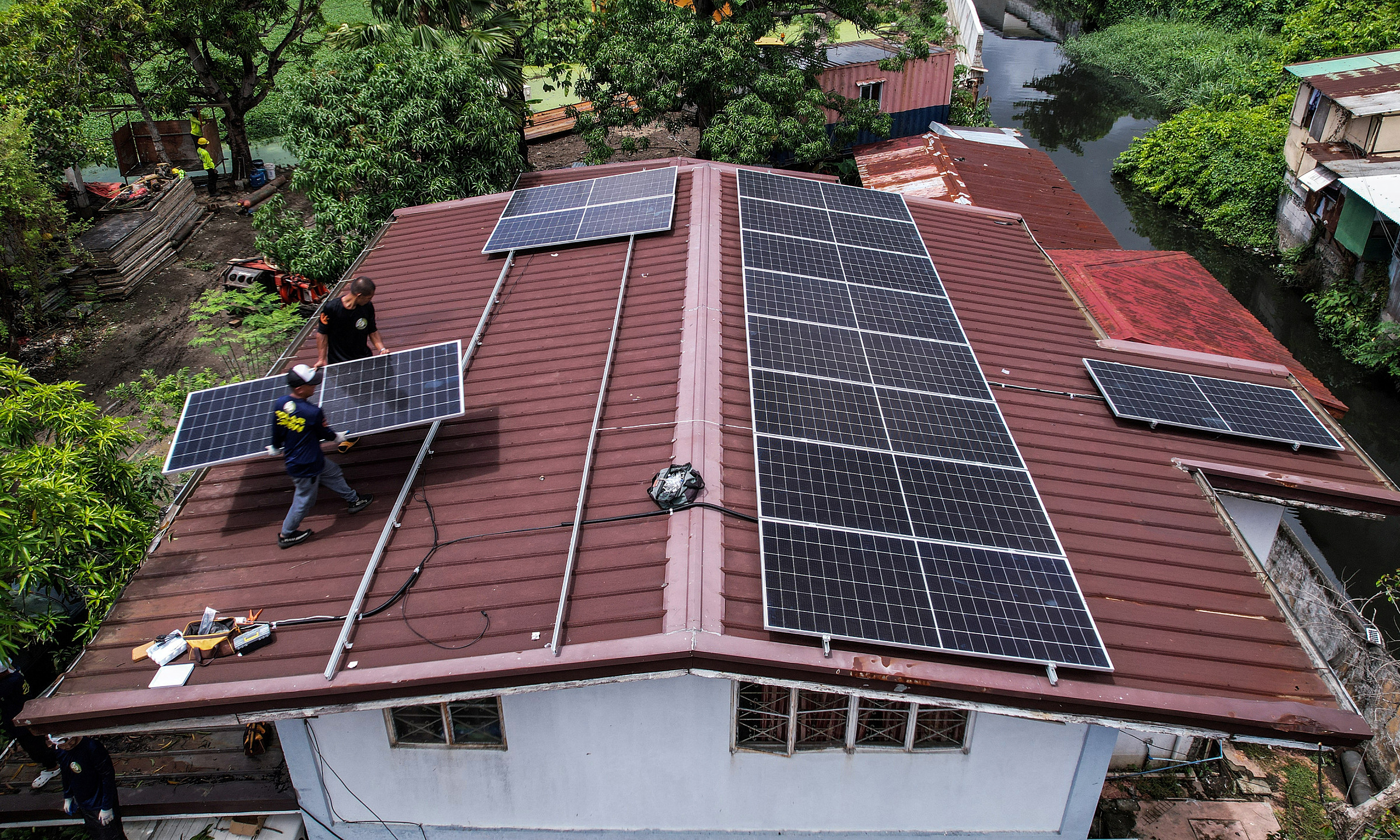
This plan does not target a few individual industries but aims for the development of the entire clean technology supply chain. The EU intends to build internal production capacity for strategic technologies such as: batteries, electric vehicles, heat pumps, electrical equipment, energy storage systems, and smart power management technology.
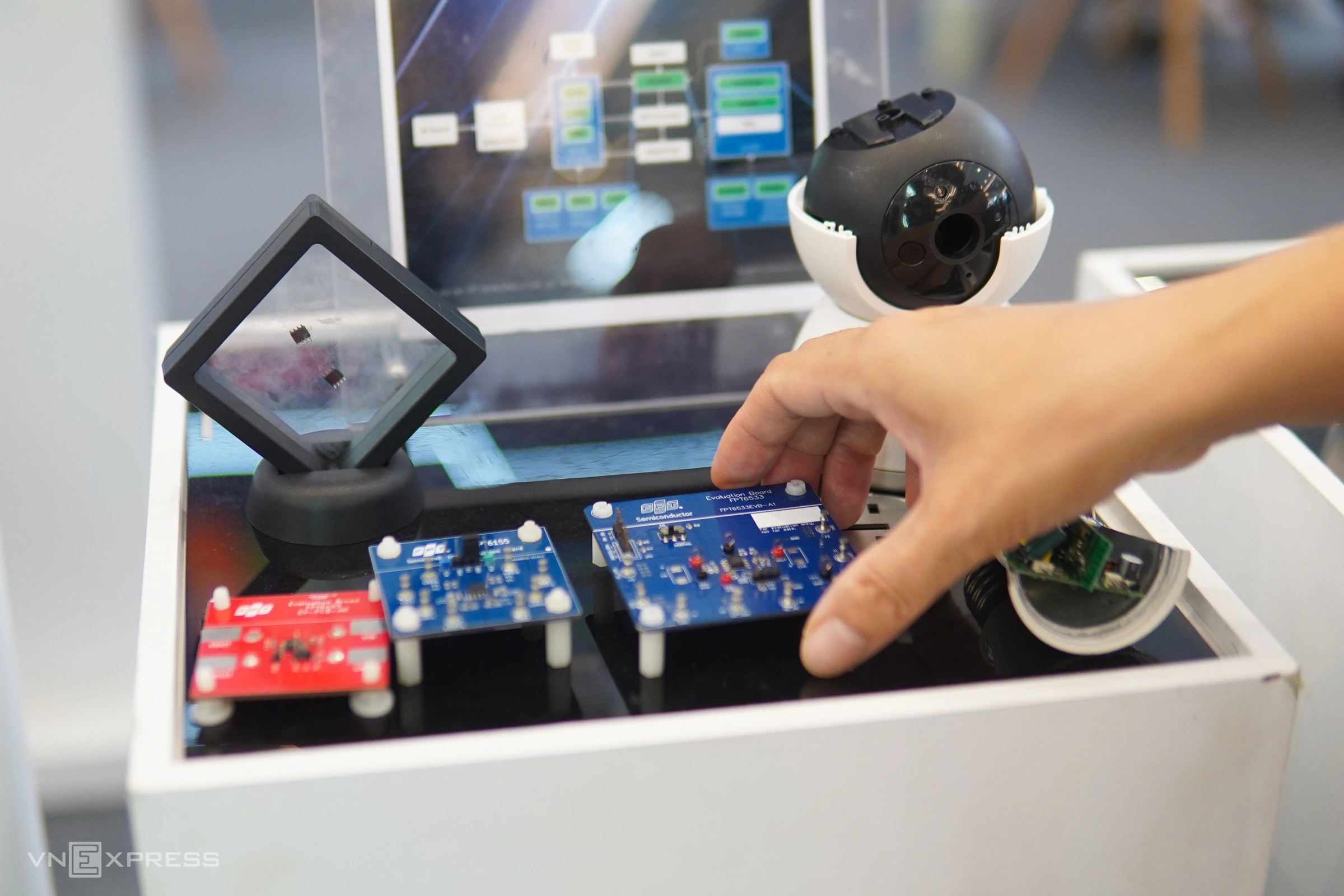 |
Semiconductor chips and electronic components from a Vietnamese enterprise displayed at SEMIEXPO Vietnam 2025, in 11/2025. Photo: Luu Quy |
Europe is also continuing to refine its Carbon Border Adjustment Mechanism (CBAM), reform the EU Emissions Trading System (EU ETS), and implement other green industrial policies, creating a stricter regulatory framework for goods imported into this market.
Europe is Vietnam's second largest export market, after the US. Germany, in particular, is a significant importer from Vietnam. In the first seven months of the year, Vietnamese exports to Germany reached nearly 6,9 billion USD, a 25% increase compared to the same period last year. Top selling items include electronic products, components, machinery, equipment, coffee, textiles, and footwear. Energy-intensive products like iron and steel account for a small proportion, with export value exceeding 3 million USD.
Thuy Truong