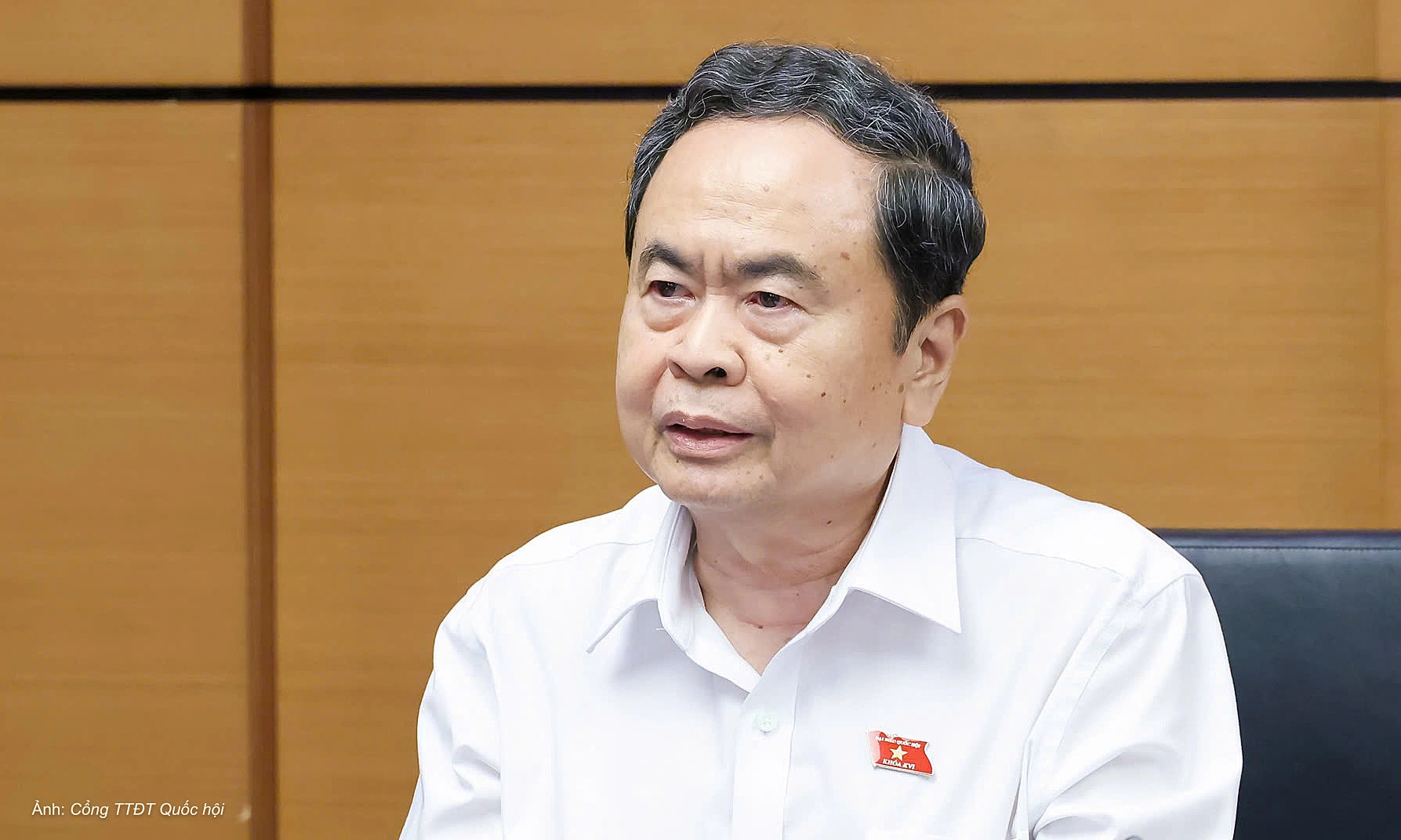
On 22/8, Standing Deputy Prime Minister Pham Gia Tuc signed a Prime Minister's directive regarding the review, classification, and resolution of stalled and prolonged projects.
According to the directive, by the end of July, authorities had identified 4,619 projects and land-related issues facing obstacles. Of these, 3,984 projects have been reviewed and classified into six groups by ministries, agencies, and localities, while 635 cases remain unaddressed.
The resolution of stalled projects faces several limitations. For example, the progress of updating information to System 751 of the Steering Committee for Project Resolution remains slow. Data from some localities on the system are inconsistent with reports submitted to competent authorities.
Many projects involve complex legal issues, spanning various periods and subject to different regulations. However, information on situations, legal bases, and recommendations from some ministries and localities is often rudimentary or inaccurate. Some causes of obstacles have not been clearly identified, while others are proposed to fall under the authority of the Government or National Assembly.
The Ministry of Finance compiled projects proposed for resolution through mechanisms and policies, forwarding them to specialized ministries for review, guidance, or recommendations to competent authorities. However, some ministries and central agencies have not proactively researched, responded, or proposed solutions within their areas of responsibility.
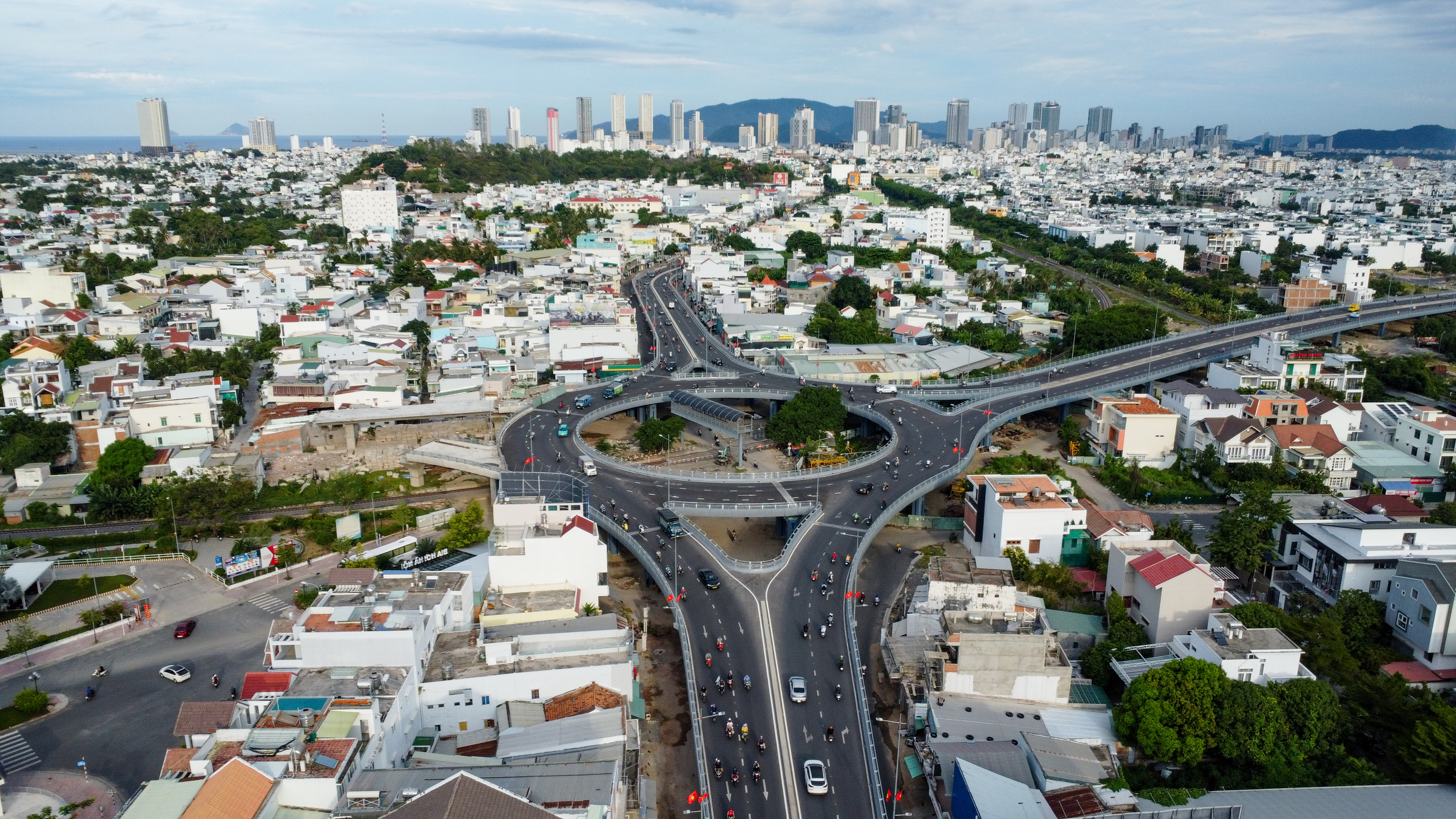 |
Ngoc Hoi Interchange, Nha Trang, August 2026. *Photo: Bui Toan*
Resolution 29, issued by the National Assembly earlier this year, created a legal framework to address a series of long-stalled projects. This aims to free up economic resources and support double-digit growth targets. To date, ministries, agencies, and localities have resolved issues for over 1,000 projects, unlocking nearly 800 trillion VND in investment capital.
To achieve a definitive resolution, the Prime Minister requested localities, ministries, and project management agencies to conduct a comprehensive review of all stalled projects. All projects must be updated and classified by 15/9. For projects requiring the Government or National Assembly to issue mechanisms, management agencies must clarify the implementation status, causes, legal bases, and proposed solutions. Localities must forward each recommendation to the correct specialized ministry, such as land, investment, construction, bidding, planning, finance, health, or energy.
Specialized ministries must then classify resolution methods and provide prompt guidance for projects to continue implementation. If there is no legal basis, relevant agencies must research amending regulations or propose specific policies to the Government or National Assembly.
The Ministry of Finance is tasked with continuously monitoring, urging, and compiling monthly or ad-hoc reports for the Prime Minister. This agency must also propose accountability measures for units and localities that are slow in updating data or resolving obstacles. The heads of ministries, ministerial-level agencies, and provincial People's Committees are responsible to the Prime Minister for implementation results.
Phuong Dung