Michelin Selected is a category within the Michelin Guide recognizing establishments highly rated for their food quality and overall dining experience.
Rice Field, located on Ho Tung Mau street in TP HCM, is designed to evoke the familiar imagery of Vietnamese rice fields and rural village life. The restaurant spans three floors, including an outdoor rooftop area, all featuring a rustic design.
Bamboo lanterns hang low from the ceiling, casting soft light. In various corners, bamboo and banana trees suggest the familiar gardens and fields of a Vietnamese village. The dining areas are not separated by rigid walls but are flexibly connected, creating an airy and seamless feel. Tables are primarily arranged for groups, reflecting the Vietnamese tradition of communal dining.
According to the restaurant's representative, the space is designed to balance the refined standards expected of a Michelin Guide establishment with a sense of warmth and comfort, rather than formality or aloofness.
The name Rice Field itself reflects this philosophy. Instead of drawing inspiration from modern urban symbols, the restaurant embraces imagery associated with the most common Vietnamese memories: rice fields, family meals, and communal gatherings.
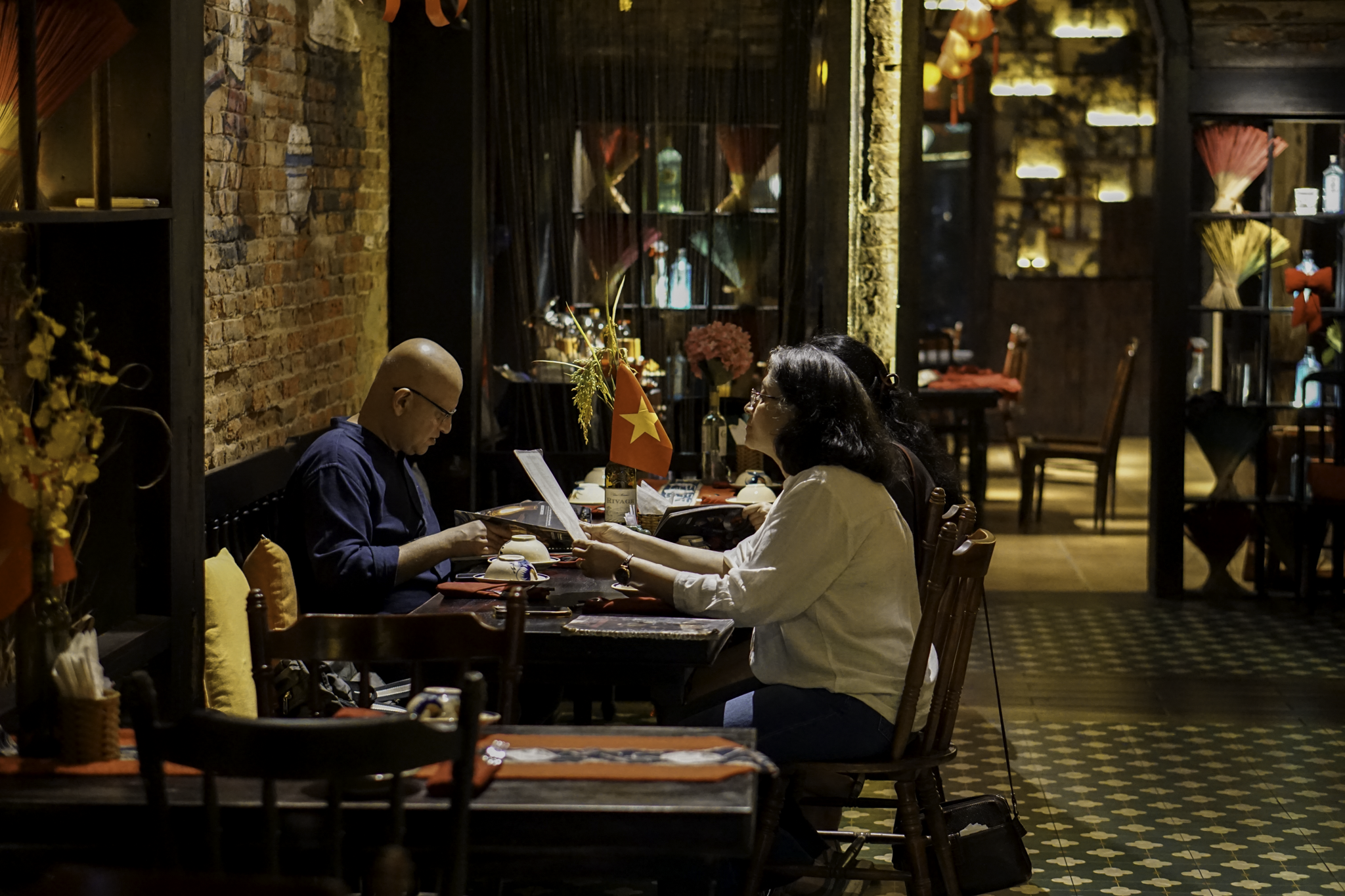 |
International tourists constitute a large portion of the restaurant's clientele. Photo:
While the ambiance tells the first story, the menu is where Rice Field most clearly expresses its direction.
The restaurant serves Vietnamese dishes spanning from the North to the South, rather than focusing on a single region. The menu is structured to resemble a Vietnamese family meal, featuring: appetizers, salads, meat dishes, seafood, vegetables, soups, rice, hotpot, and vegetarian options.
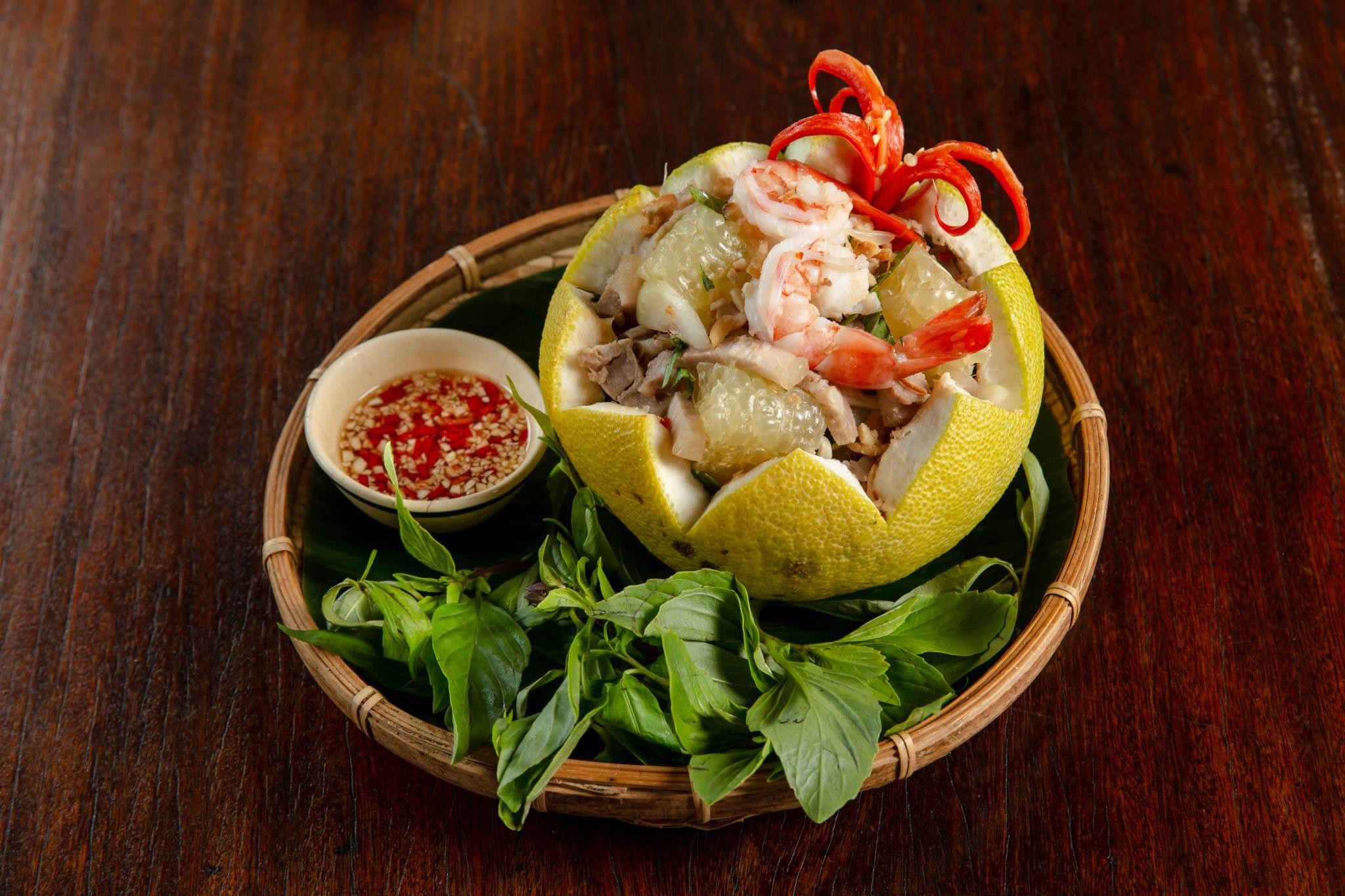 |
The restaurant's menu is designed with appetizers, main courses like meat, soup, seafood, and communal dishes such as hotpot. Photo: Rice Field
Among the dishes highlighted by the restaurant, cha ca La Vong stands out as a distinct Northern specialty. Fish is marinated, then cooked tableside, served with vermicelli, fresh herbs, and mam tom (fermented shrimp paste) to create layers of flavor. This dish has also been mentioned by the Michelin Guide.
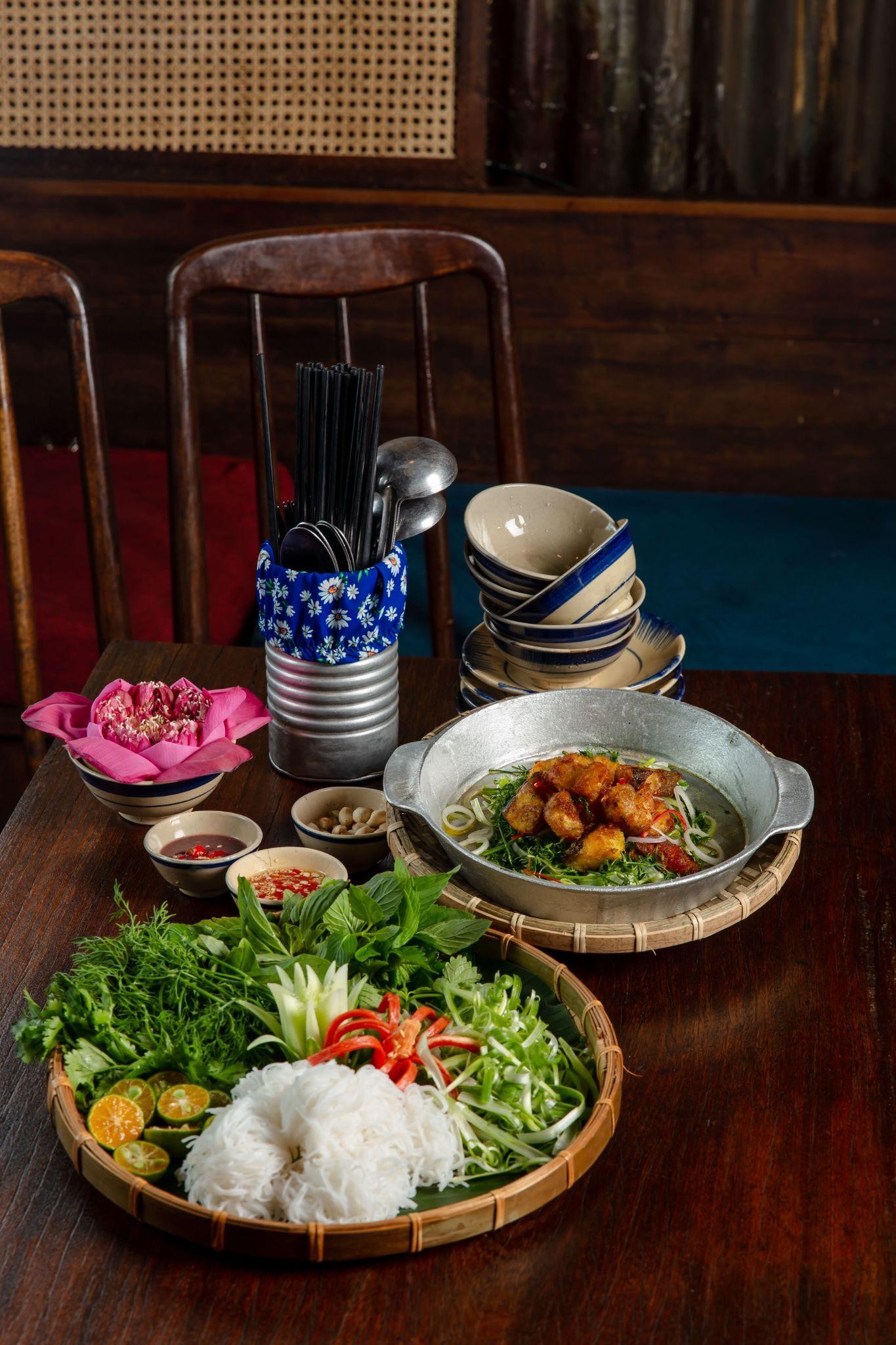 |
Cha ca La Vong – a highlight showcasing the spirit of Northern Vietnam. Photo: Rice Field
Another offering is oc buou nhoi (stuffed snails), a familiar dish prepared with a refined touch while retaining its original essence. The meat filling, blended with traditional spices, is stuffed into snail shells, steamed with lemongrass for natural aroma, and served with a dipping sauce that balances sweet, spicy, and herbal notes.
Representing Central Vietnam is chao tom (grilled shrimp paste on sugarcane), a dish originating from Hue. Pounded shrimp paste is wrapped around a sugarcane stick, grilled until perfectly cooked to preserve its sweetness, and served with fresh vegetables and dipping sauce.
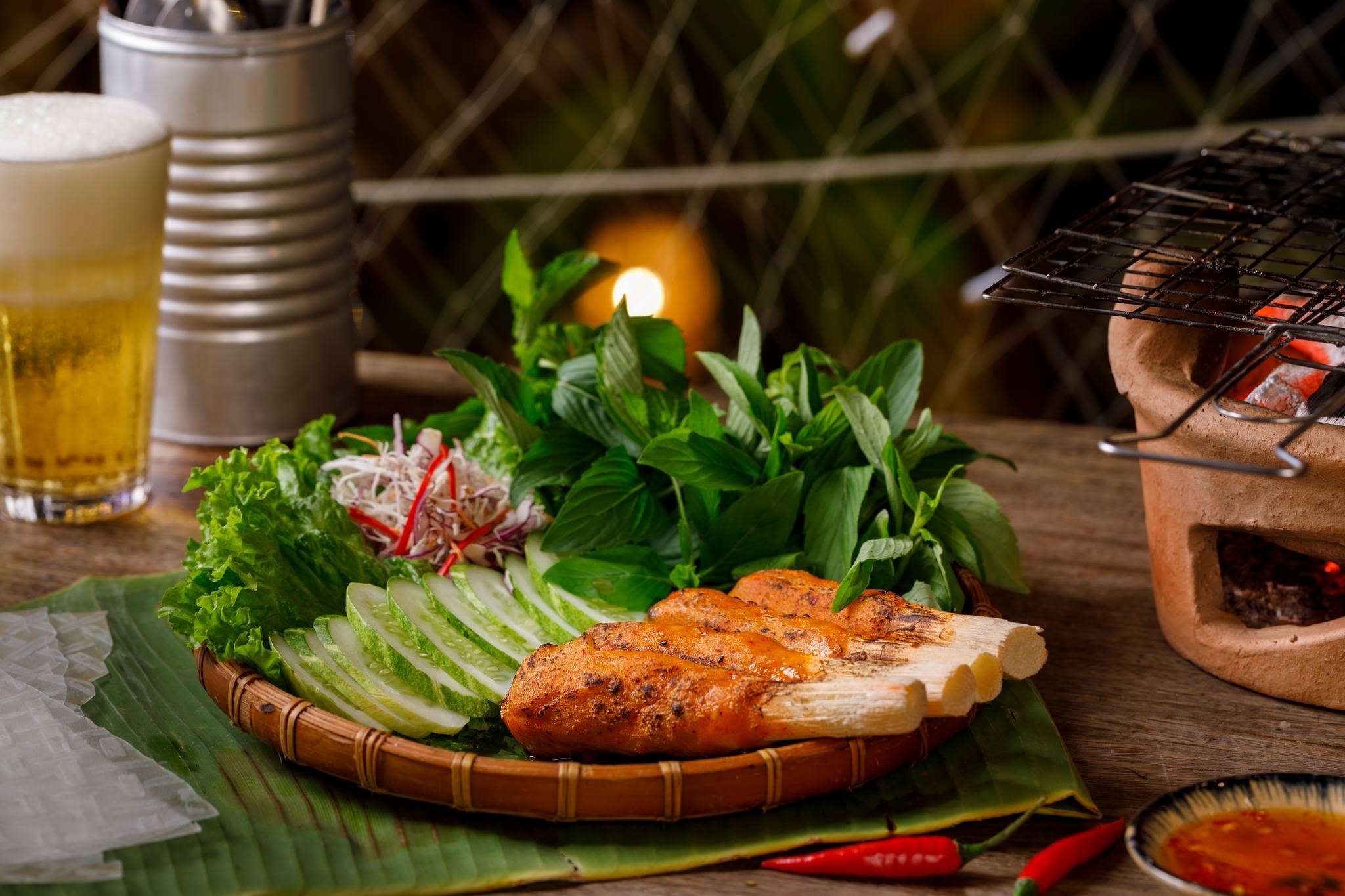 |
Chao tom – a Central Vietnamese specialty. Photo: Rice Field
The menu also features flavors from the Western region, such as tep rong xao tep mo (stir-fried tiny shrimp with pork cracklings), and a variety of Southern-style spring rolls. These dishes, while not overly elaborate, evoke the intimate feeling of a Vietnamese family meal.
The restaurant does not aim for overly complicated dishes. There are no excessive culinary theatrics or variations that obscure the original dish. Most items retain their familiar seasoning and spirit, but are standardized in terms of ingredient quality, portion size, and service experience.
Lucas Huynh, the restaurant's founder, shared, "We want to bring the flavors of home, a place of warmth, laughter, and simplicity. This also reflects the Vietnamese spirit when welcoming international friends."
According to a 2025 Booking report, 84% of Vietnamese tourists often choose destinations based on local cuisine.
Meanwhile, data from the World Food Travel Association (WFTA) indicates that about 81% of international tourists are interested in exploring local cuisine and typically allocate 25-35% of their travel budget to dining activities. This highlights that food is increasingly a primary reason for choosing a destination, rather than merely a consumption need during a trip.
The Dan