Amidst global energy market fluctuations, many countries, including those in Southeast Asia, are implementing energy-saving solutions. These measures often involve reducing travel, optimizing electricity consumption, and adjusting work methods, according to a bank representative.
In Vietnam, the Prime Minister issued Directive 09/CT-TTg on 19/3, focusing on strengthening energy saving, promoting energy transition, and developing electric vehicles. This directive encourages agencies and businesses to proactively implement solutions tailored to their specific circumstances.
Responding to this context, Sacombank implemented a hybrid work model for its back-office staff starting 26/3. Under this model, employees will alternate between in-person and online work, tailored to the specifics of each role, ensuring business continuity and consistent service quality.
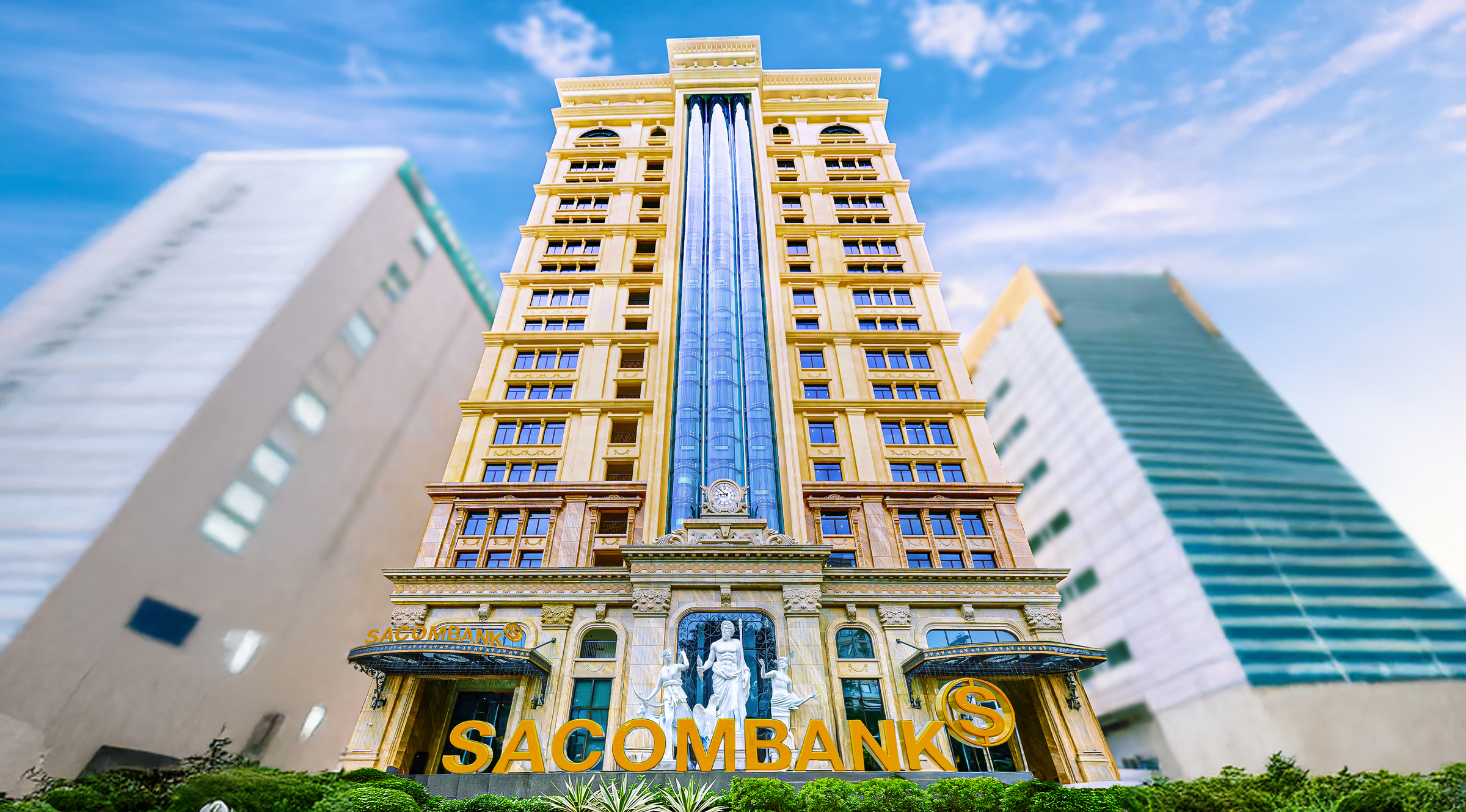 |
The bank's headquarters in TP HCM. Photo: Sacombank
Simultaneously, Sacombank is enhancing technology application in management and operations. This includes promoting online meetings, digitizing processes, and improving internal coordination, which helps maintain smooth operations while reducing office electricity consumption.
According to a Sacombank representative, this flexible work model is an adaptive solution to the current energy landscape. It aligns with the bank's digital transformation and sustainable development strategies, representing a step towards fostering a more modern, flexible, and efficient work environment.
Furthermore, the bank's proactive implementation of the hybrid model demonstrates its quick adaptation and translates the directives of Directive 09/CT-TTg into practical action. Sacombank hopes this initiative will help spread awareness and encourage broader community action. Looking ahead, the bank will continue to review and evaluate the model, making adjustments as needed to optimize operations, control costs, and ensure efficient energy use.
Hoang Dan