7-Eleven entered the Vietnamese retail market in mid-2017, with an ambitious goal to open 100 stores within the first three years and expand to 1,000 locations over a decade. This plan was considered challenging, as the brand was a late entrant facing significant competition from international convenience store chains such as Circle K, FamilyMart, and Ministop.
"We set a plan for 1,000 stores in 10 years, but only after starting did we realize the difficulty," stated Luu Tat Trung, Technology Director of 7-Eleven Vietnam, on the afternoon of 2/4.
According to Trung, the brand's policy is to ensure profitability for each new store, necessitating a slow and steady approach rather than focusing on rapid expansion to gain market share.
7-Eleven Vietnam currently operates approximately 150 stores, with most being profitable. During its initial five years, the chain concentrated its expansion in the core area of TP HCM, opening an average of 16 stores annually. The primary target demographic for the chain includes young and middle-class residents. In the middle of last year, 7-Eleven expanded northward, opening 4 additional stores in Hanoi.
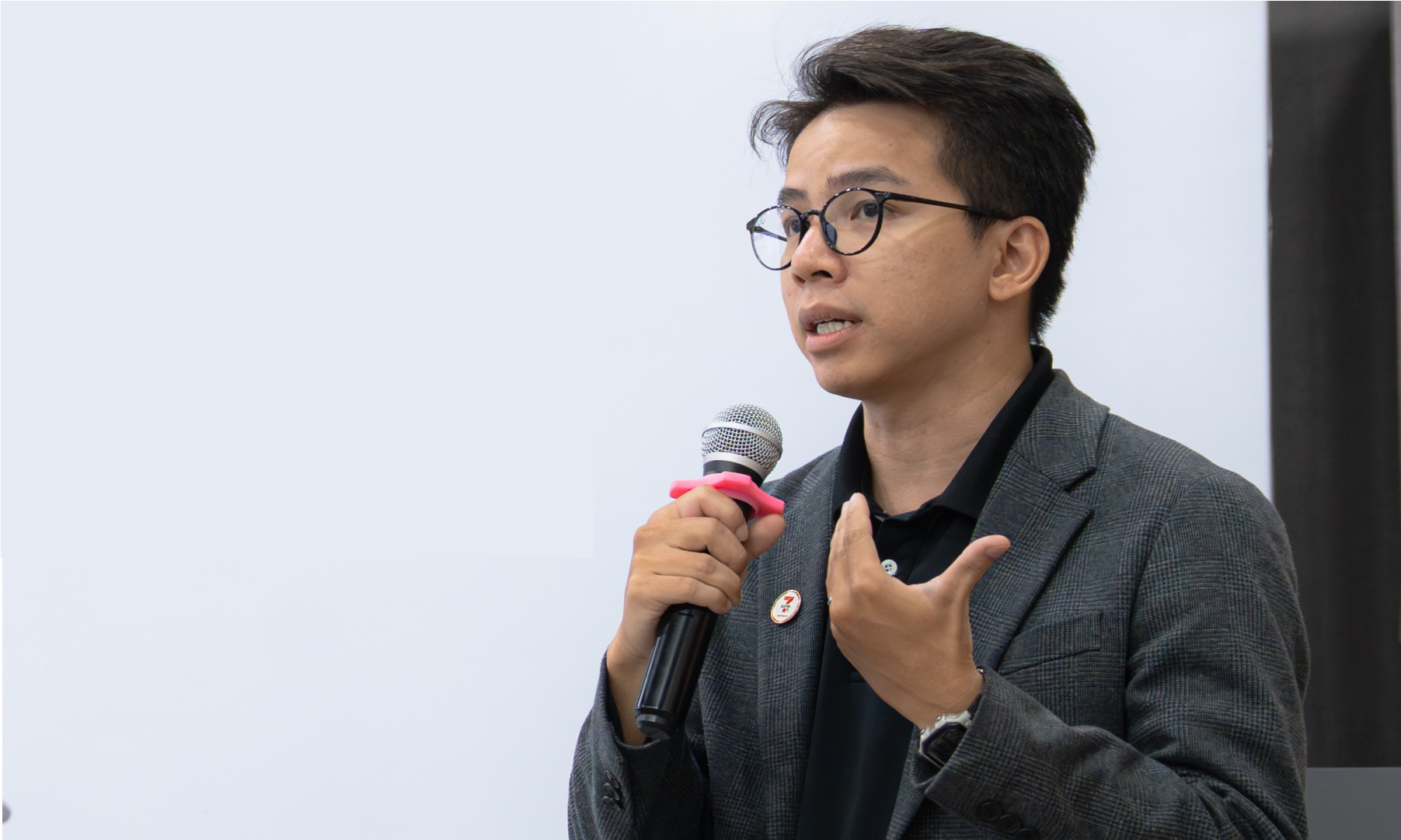 |
Luu Tat Trung, Technology Director of 7-Eleven Vietnam. *Photo: Ngoc Diem* |
Trung explained that 7-Eleven Vietnam is exploring various strategies to enhance the business efficiency of individual stores. The two main approaches involve boosting online sales and investing in technology to optimize operations.
As an example, Trung noted that late last year, 7-Eleven began conducting weekly three-hour livestream sales sessions on TikTok. Each livestream generated approximately 27 million Vietnamese dong (VND) in revenue, which is comparable to a physical store's entire day of sales. The brand plans for individual stores to eventually conduct their own livestreams and manage direct deliveries. "This is an approach 7-Eleven will continue to pursue," Trung stated.
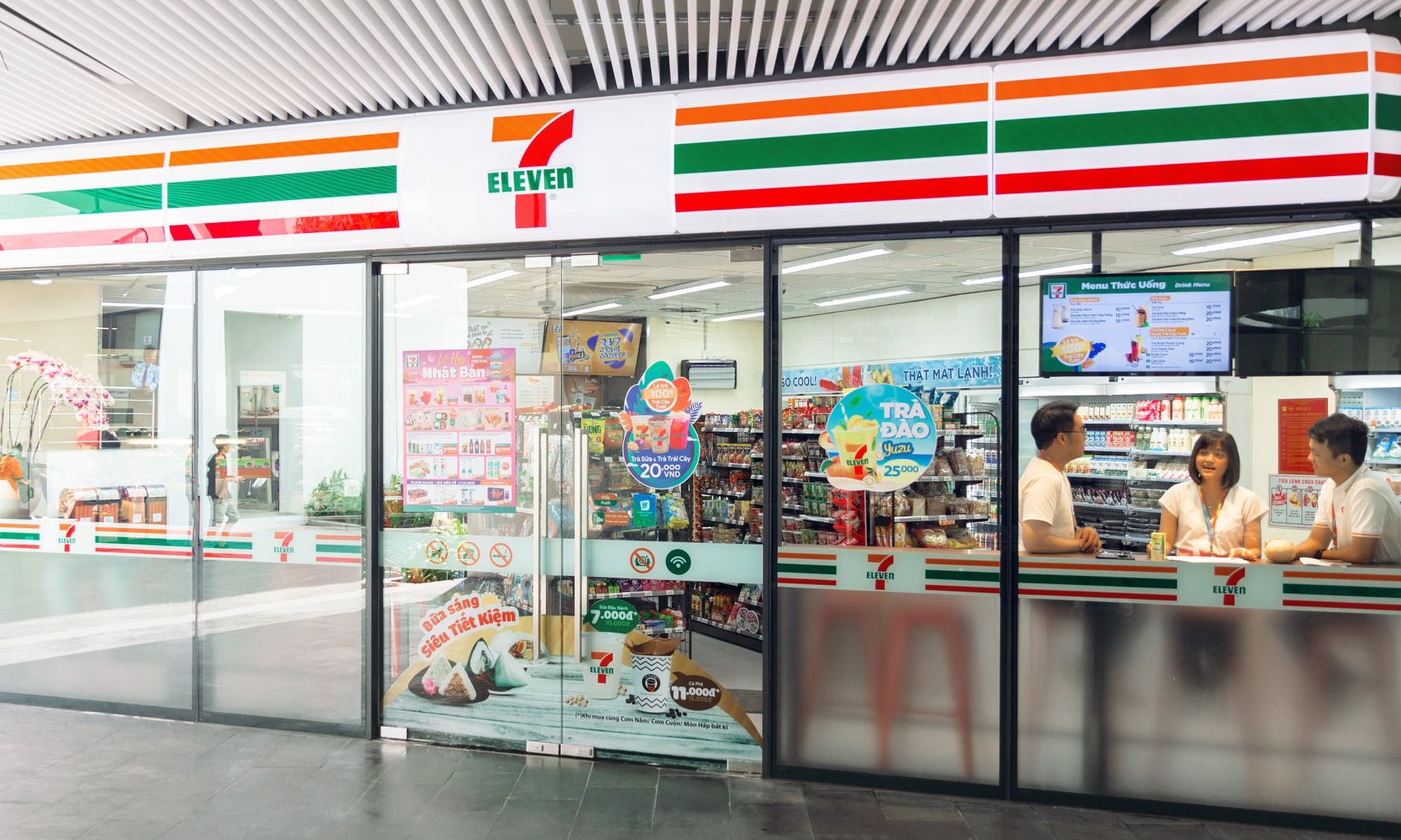 |
A 7-Eleven store located within the VNG Group headquarters in TP HCM. *Photo: VNG* |
Regarding technology, Trung mentioned that the 7-Eleven franchisee in Vietnam is collaborating with GreenNode, a member of VNG Group, to develop AI agents that function as "store managers." These agents are capable of reasoning and making data-driven decisions based on real-time information. Artificial intelligence is applied to forecast customer demand based on seasonality and consumer behavior, helping to prevent both overstocking and product shortages.
Consequently, at the store level, each sales point now requires only about two staff members to manage orders from multiple channels simultaneously, with an approximate cost of 550,000 VND. This has reduced order processing time to under three minutes, while the average transaction value has increased by approximately 30%.
Trung also highlighted that, beyond operational efficiency, collaborating with a domestic cloud infrastructure provider (including data centers, servers, storage, and networks) is helping 7-Eleven save 60-70% in costs compared to leasing equivalent services from foreign providers.
Phuong Dong