


On 7/5, the US Court of International Trade (CIT) ruled that the 10% import tariff President Donald Trump was applying globally lacked a basis under the Trade Act of 1974. However, the court only blocked this tariff for two small businesses and Washington state, a group that had filed a lawsuit against the tariff since early March.
The court refused to issue an injunction against applying the tariff to importers, thereby rejecting a request from a group of 24 states, primarily led by the Democratic Party. The court stated that the states lacked legal standing to request such a measure.
The judges determined that most of the plaintiff states, except Washington, were not importers paying or liable to pay the tariffs. Washington, however, provided evidence it paid tariffs through the University of Washington, a public research institution. Consequently, for other importers, the 10% tariff remains in effect while the US government appeals.
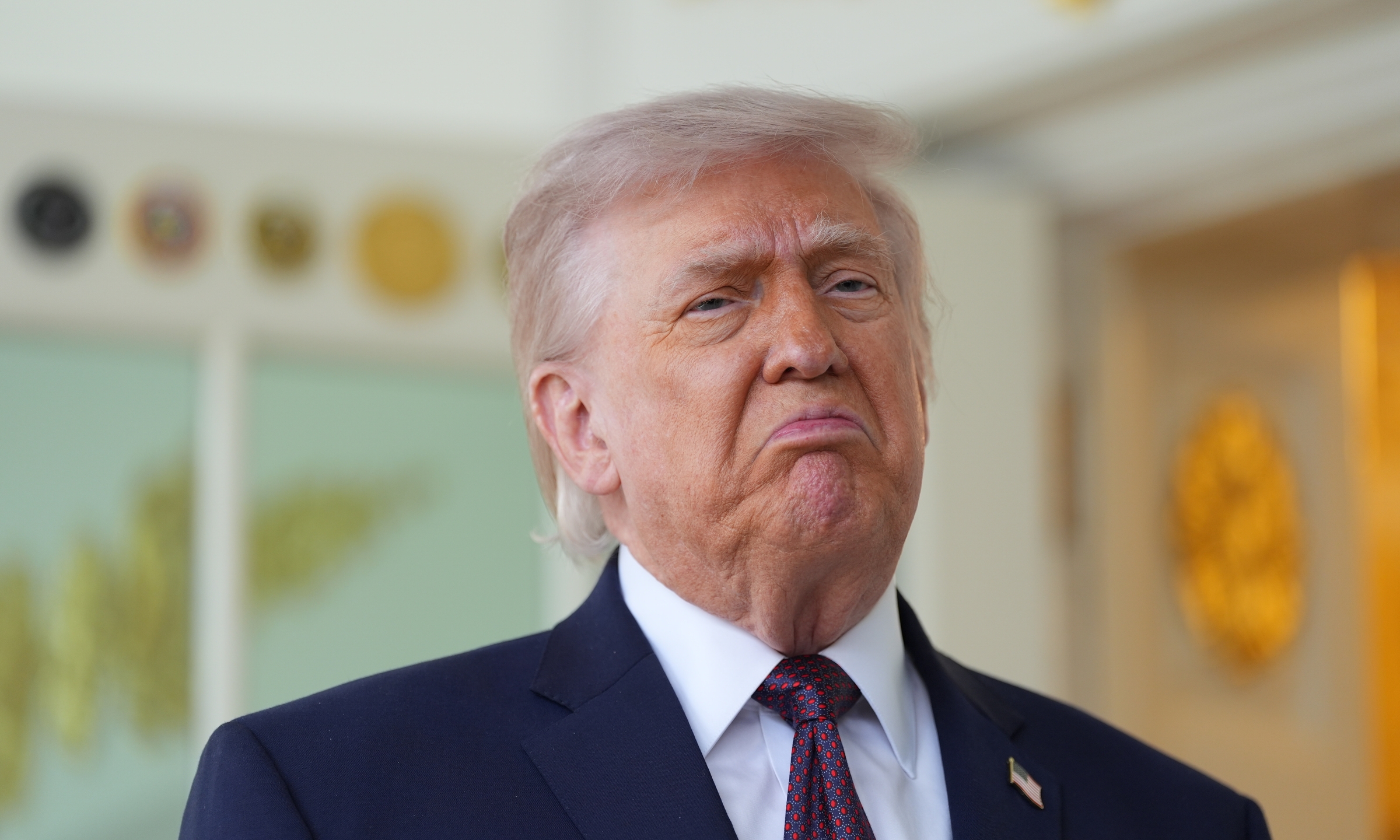 |
President Donald Trump outside the Oval Office, White House, 13/4. Photo: AP
The two small businesses that won the lawsuit are toy manufacturer Basic Fun! and spice importer Burlap & Barrel. They argued that Trump's new tariffs circumvented a February ruling by the US Supreme Court. At that time, the Supreme Court rejected import tariffs Trump imposed under the International Emergency Economic Powers Act (IEEPA), which included retaliatory tariffs and specific tariffs on Mexico, Canada, and Trung Quoc.
In response, on the same day, Trump signed an executive order imposing an additional 10% import tariff, citing authority under Section 122 of the Trade Act of 1974. The stated purpose was to address a "serious balance of payments deficit" or prevent the short-term risk of the USD depreciating.
The 7/5 ruling stated that the 1974 act was inconsistent with the type of trade deficit Trump cited in his February order. Jay Foreman, CEO of Basic Fun, commented, "This decision is an important victory for US businesses that rely on global manufacturing to provide safe products at reasonable prices. Unlawful tariffs make it difficult for businesses like ours to compete and grow."
The Trump administration argued that the US faced a serious balance of payments deficit, evidenced by a merchandise trade deficit of USD 1,200 billion and a current account deficit equivalent to 4% of GDP. However, some economists and trade lawyers contended that the US was not at risk of a balance of payments crisis, making the new tariffs vulnerable to legal challenges.
Ha Thu (according to Reuters)


