Polysilicon is a key raw material for solar panels and semiconductor products. This strategic move aims to protect US polysilicon manufacturers from China's growing ambitions in the global chip supply chain.
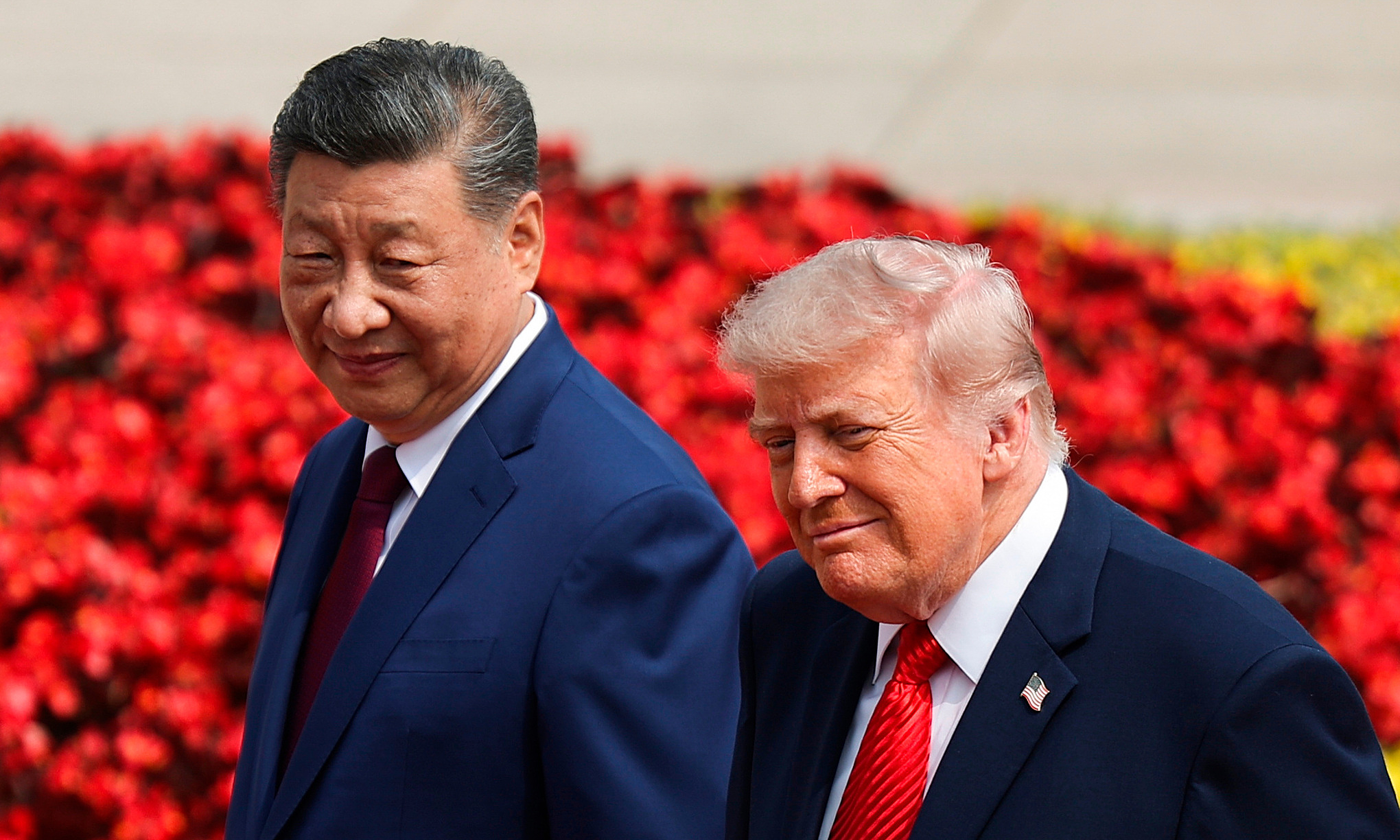
According to Reuters sources, President Donald Trump is expected to impose minimum import prices on polysilicon, wafers, photovoltaic cells, and solar modules. Import tariffs on polysilicon-derived products could be 15%.
The agency previously reported that the Trump administration would combine a minimum price mechanism with import tariffs. The US Department of Commerce and the White House have not commented on these reports. This action follows numerous investigations initiated by the US Department of Commerce during Trump's second term into imported products to assess national security threats. The polysilicon investigation began last year, alongside inquiries into wind turbines, aircraft, semiconductor products, heavy-duty trucks, copper, lumber, and strategic minerals.
The polysilicon investigation also significantly impacts the growing US solar energy industry, as President Trump reduces support policies for renewable electricity. SCMP recently stated that the US-China trade and technology war is escalating, with both sides attempting to gain strategic advantage by threatening to cut off access to critical resources and technology.
On 5/8, China's Ministry of Commerce announced that any orders for complete drones, components, or related technology exported to the US would be subject to "strict case-by-case review". On the same day, the Ministry placed seven US companies in China on a "blacklist". It also launched a national security investigation into printing and copying office software produced abroad. This move retaliates against tariffs Washington imposed last month concerning forced labor.
In late July, the Donald Trump administration announced a ban on importing advanced robots and new power inverters from China to protect the US market.
Ha Thu (according to Reuters)