The 2026 World Cup is nearing its conclusion after more than one month of play. Mexico hosted 13 of the 104 matches. Yet, the event has not met the Mexican government's ambitious goals of boosting tourism and GDP growth, especially with the economy already declining in quarter 1.
"Structurally, the World Cup will not change the trajectory of Mexico's economy," stated Humberto Calzada, chief economist at Rankia. He believes the tournament provides only a short-term economic boost.
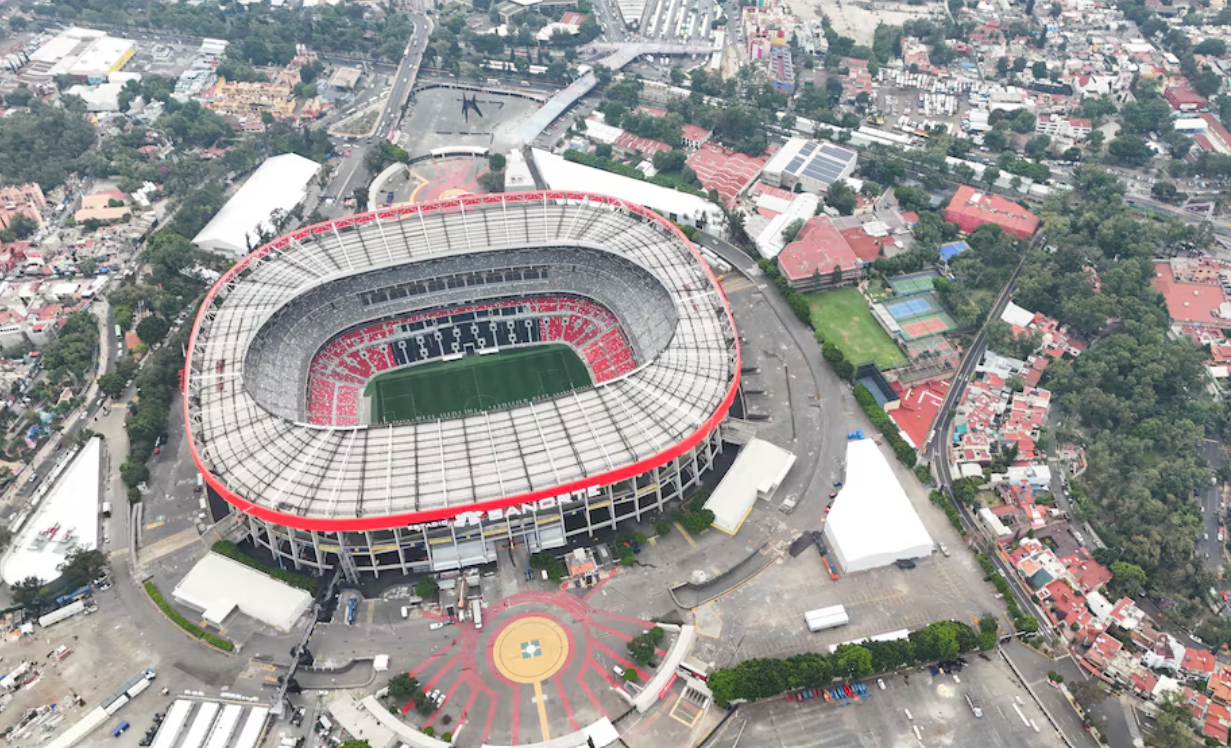 |
Outside Banorte stadium in Mexico City, Mexico, on 11/6. Photo: Reuters
Deloitte reported that the tournament generated about 100,000 temporary jobs, 10% lower than forecasts. BBVA's household consumption index showed a 0,2% decrease in spending in June compared to the previous month. Hotel spending dropped 10,5% and restaurant spending fell 4,9%, despite entertainment spending rising 16,5%.
Economic benefits were not evenly distributed among the three host cities: Mexico City, Guadalajara, and Monterrey. Passenger traffic in June saw slight increases in Guadalajara and Monterrey, yet decreased at Mexico City's main airport.
The Mexican Restaurant Association reported that one-half of its members had below-average business results, attributing this to low hotel occupancy and protests in the capital.
The Mexican government forecasts GDP growth of 1,8-2,8% this year. However, analysts expect only about 1,1% growth.
Banorte Bank lowered its estimated contribution of the tournament to GDP to 0,4-0,5%, down from its previous forecast of a maximum of 0,62%. Banamex estimated the total economic impact of the World Cup at about 2 billion USD, equivalent to 0,1% of GDP, and less than one-half of May's remittances to Mexico.
Mexican businesses are delaying investment ahead of the upcoming review of the United States-Mexico-Canada Agreement (USMCA). The nation's GDP also decreased by 0,6% in quarter 1 compared to the previous quarter. The International Monetary Fund (IMF) recently lowered its forecast for Mexico's economic growth this year to 1,2%, down from 1,6%.
Analysts suggest that the main driver of Mexico's economy is not on football fields but depends on the future of the USMCA. The agreement is effective until 2036 but requires annual review.
US and Mexico officials are expected to hold their third bilateral USMCA negotiation round next week in Mexico City. US Trade Representative Jamieson Greer stated that the US has not yet initiated formal negotiations with Canada regarding the agreement's future.
Ha Thu (according to Reuters)