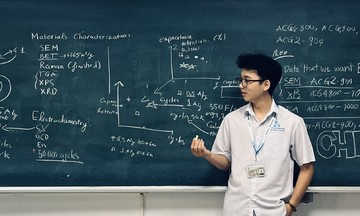
Approximately 190 students at Yonsei University were caught using artificial intelligence (AI) to cheat on a midterm exam for the "Natural Language Processing and ChatGPT" course last October. The course, entirely online due to its large enrollment of about 600 students, administered the multiple-choice exam via a website. Students were required to record their computer screens, hands, and faces throughout the test, submitting the video afterward.
However, some students reportedly manipulated camera angles to create blind spots or opened multiple windows on their screens to evade monitoring. Upon detecting violations, supervisors announced that any student who voluntarily confessed would receive a zero grade but no additional penalties. Following this announcement, an internal student poll was conducted. Out of 350 respondents, 190 students admitted to cheating.
"Most of us used ChatGPT," one student shared. Another acknowledged that they and many classmates had looked up answers using AI.
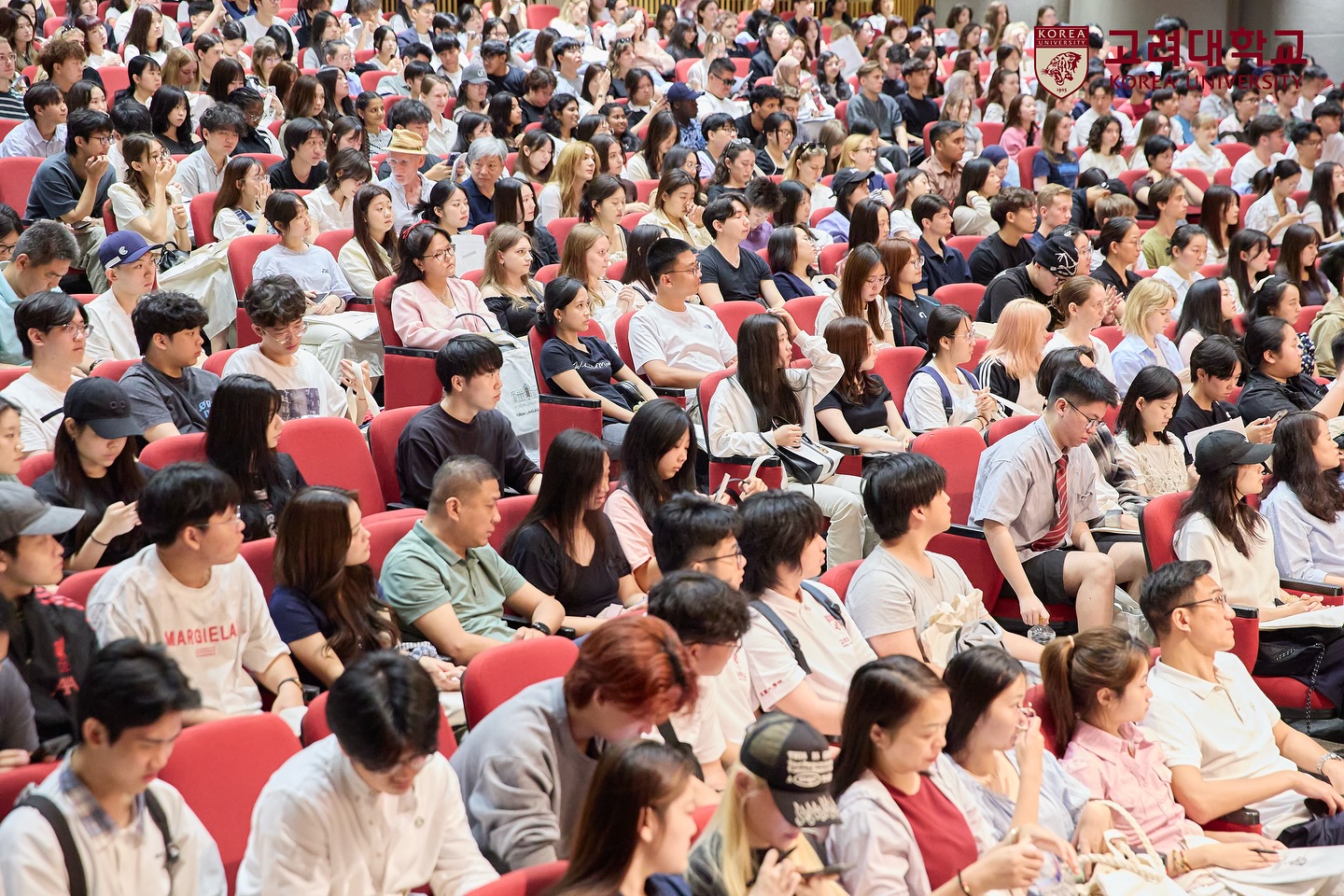 |
Students at Korea University, South Korea. Photo: Korea University Fanpage
Similar incidents also emerged at Seoul National University. A statistics exam held in a computer lab last October saw many students using AI despite explicit warnings. The university is now considering invalidating the results and re-holding the exam. Earlier, in an online course with over 1,400 students at Korea University, about one-third were caught exchanging answers via a chat group during an assignment.
These widespread cheating incidents have drawn varied reactions. Many students expressed disappointment, arguing that those who violated academic integrity should be held accountable. Conversely, on Korea University's online community, numerous individuals criticized the university and faculty for organizing online courses and exams without providing clear guidelines on academic integrity. They contended that punishing students under such circumstances was outdated and unfair.
Students highlight the integral role of AI in their academic lives. "AI is an indispensable tool for students today. Some professors forbid it, others encourage it, but students still use it," stated Woo Jung-sik, a final-year student at Hanyang University. Lee, a final-year education student at Korea University, noted that many students actively use AI platforms such as: Perplexity and Gemini, and do not perceive this as wrong. Lee added, "Effectively using rapidly developing AI technology is also a skill."
A survey conducted last year by the Korea Research Institute for Vocational Education and Training, involving over 700 students, revealed that about 92% reported using AI tools for gathering information during research or completing assignments. "Everyone around me uses ChatGPT or Gemini for homework or to understand lessons, so much so that I feel foolish and left behind if I don't," a student in Seoul remarked.
Professor Song Ki-chang, from Sookmyung Women's University's Department of Education, emphasized the urgent need for universities to establish clearer guidelines for AI use. "Completely prohibiting AI use is impossible. But without clear standards, students could become overly reliant," Song concluded, underscoring the challenge for educational institutions to adapt to new technologies while upholding academic integrity.