Late last month, Westlake University in Hangzhou announced that Ling would become a professor and head of the Department of Artificial Intelligence, also leading the university's Intelligent Computing and Application Laboratory.
Ling is renowned for his pioneering research in computer vision and artificial intelligence (AI), including LeafSnap, the world's first mobile application to use image recognition technology to identify plant species from leaf photographs. His work has helped machines better understand and interact with the visual world, laying the groundwork for many current applications, from augmented reality (AR) to biomedical image analysis.
The 51-year-old scientist stated that he moved because Westlake University offers him greater freedom to explore novel research directions.
"Traditional AI fields are mature, requiring fresh exploration to achieve genuine breakthroughs," Ling said.
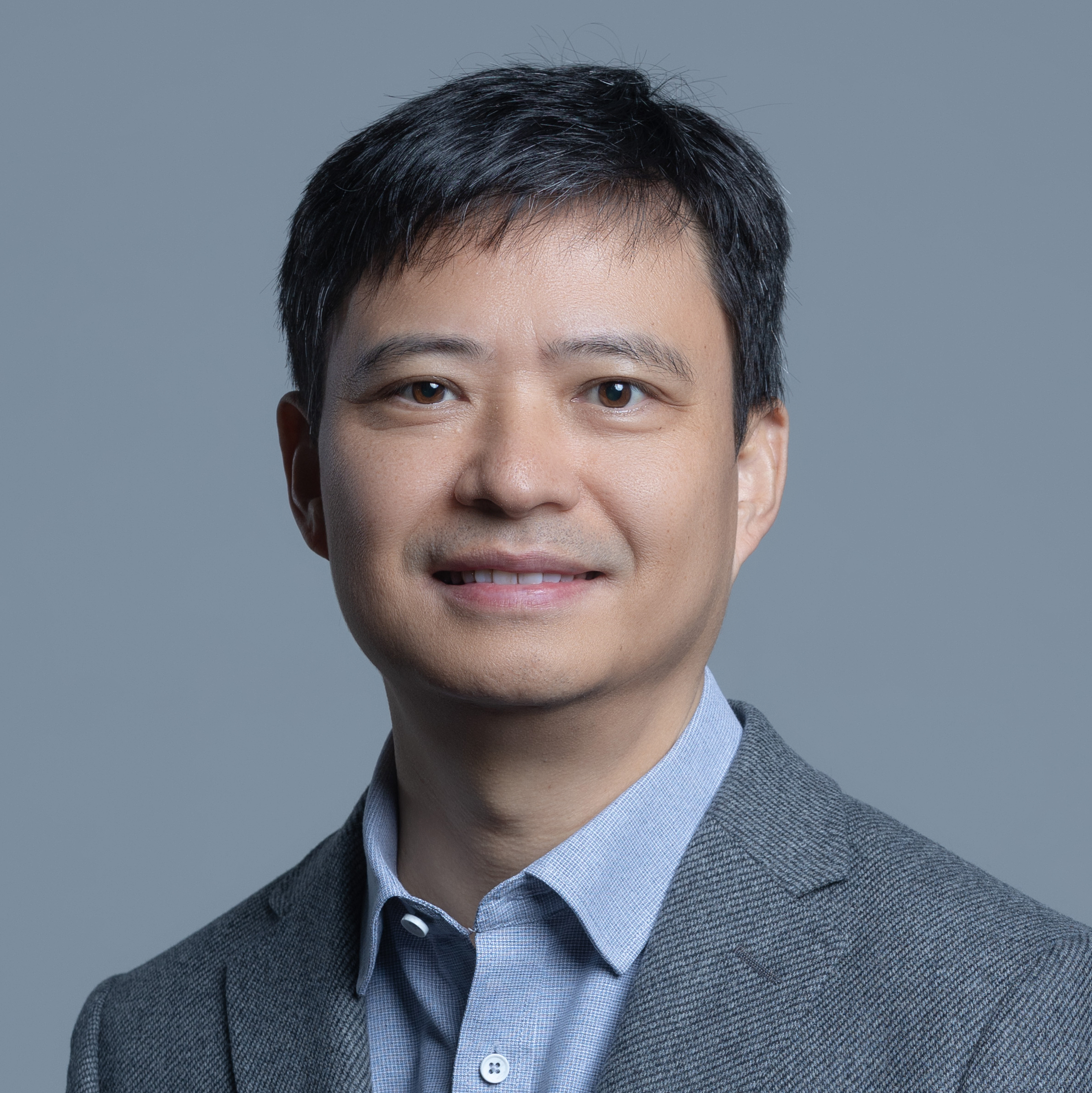 |
Ling Haibin. Photo: Westlake University |
Before returning, he was a professor at Stony Brook University in New York since 2019 and a senior researcher at the Institute of Electrical and Electronics Engineers (IEEE).
Born and raised in Guizhou province, Ling displayed mathematical talent from a young age. In 1992, he was directly admitted to Peking University, earning bachelor's and master's degrees in computer science. He worked as a research assistant at Microsoft's Asia regional research center before attending the University of Maryland, US, in 2001 for his doctoral studies.
There, Ling focused on computer vision, a relatively new field at the time. This formed the foundation for his creation of LeafSnap, a revolutionary application that assists gardeners with functions such as plant care guides, disease diagnosis, and tracking their plant collections. It quickly gained popularity and became a precursor to numerous similar applications.
After earning his doctorate, he shifted his focus to dynamic target tracking. This technology is crucial not only in security surveillance but also a foundational pillar for many fields, including medical imaging and augmented reality/virtual reality (AR/VR) gesture interaction.
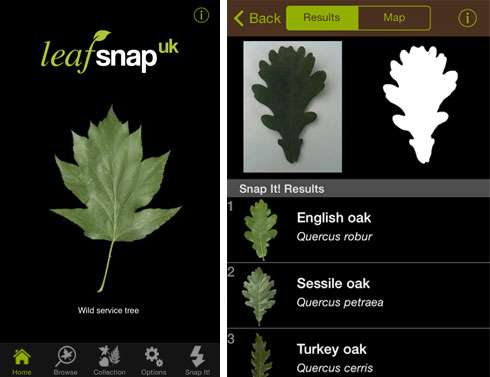 |
Interface of the LeafSnap application. Photo: PHYS. |
For his research, Ling received many prestigious awards, such as the Career Award from the US National Science Foundation, the Yahoo Research and Collaboration Award, the Amazon Machine Learning Research Award, and the Best Scientific Paper Award in 2021 at IEEE VR – a leading international conference on virtual reality.
According to a Stony Brook University post, in 2024, Ling was ranked among the top 1% of researchers worldwide by Clarivate, the organization managing the Web of Science scientific citation database. He currently has over 51,000 citations on Google Scholar.
Ling has also served on the editorial boards of several leading IEEE journals and frequently chaired sessions at major AI conferences.
His decision follows a broader wave of Chinese-origin scientists returning from various parts of the world, including the US, Canada, Australia, and Europe. Statistics from Global Times, covering 5 years up to the end of last year, indicate that the number of top scientists in China increased from approximately 18,800 to over 32,500. During this period, the proportion of international scholars rose from 16.9% to 27.9%.
These renowned scholars returning home bring not only expertise but also international networks, providing a significant boost to China's education and technology in the global race.
Khanh Linh (According to SCMP, Complete AI Training, Westlake University)