Last week, Nankai University dismissed Quan Chen, Dean of the School of Life Sciences, for failing to adequately supervise the quality and authenticity of data in a 2024 paper published in Nature Cancer, for which he was the lead author.
Concurrently, Sun Yat-sen University announced similar actions against Kang Tiebang, Deputy Director of the National Key Laboratory of South China Cancer, and Kuang Dongming, Vice Dean of its School of Life Sciences.
According to the university, Kang was the lead author of a 2020 study in Nature Cell Biology found to contain multiple data and image errors. Kuang also faced allegations of similar misconduct in three other papers published in prestigious journals: Nature Cell Biology, Science Advances, and Cell.
These actions followed three weeks after Tongji University dismissed Wang Ping, Dean of the School of Life Sciences and a leading cancer research expert, for academic misconduct related to international publications.
Notably, all four researchers had previously received the national "Outstanding Youth" award, a highly regarded honor often seen as a stepping stone for admission to China's premier academies of science and engineering.
Their troubles began when they came under the scrutiny of a former doctoral student, now a blogger and video content creator with over 1.8 million followers, known by the nickname "Student Geng."
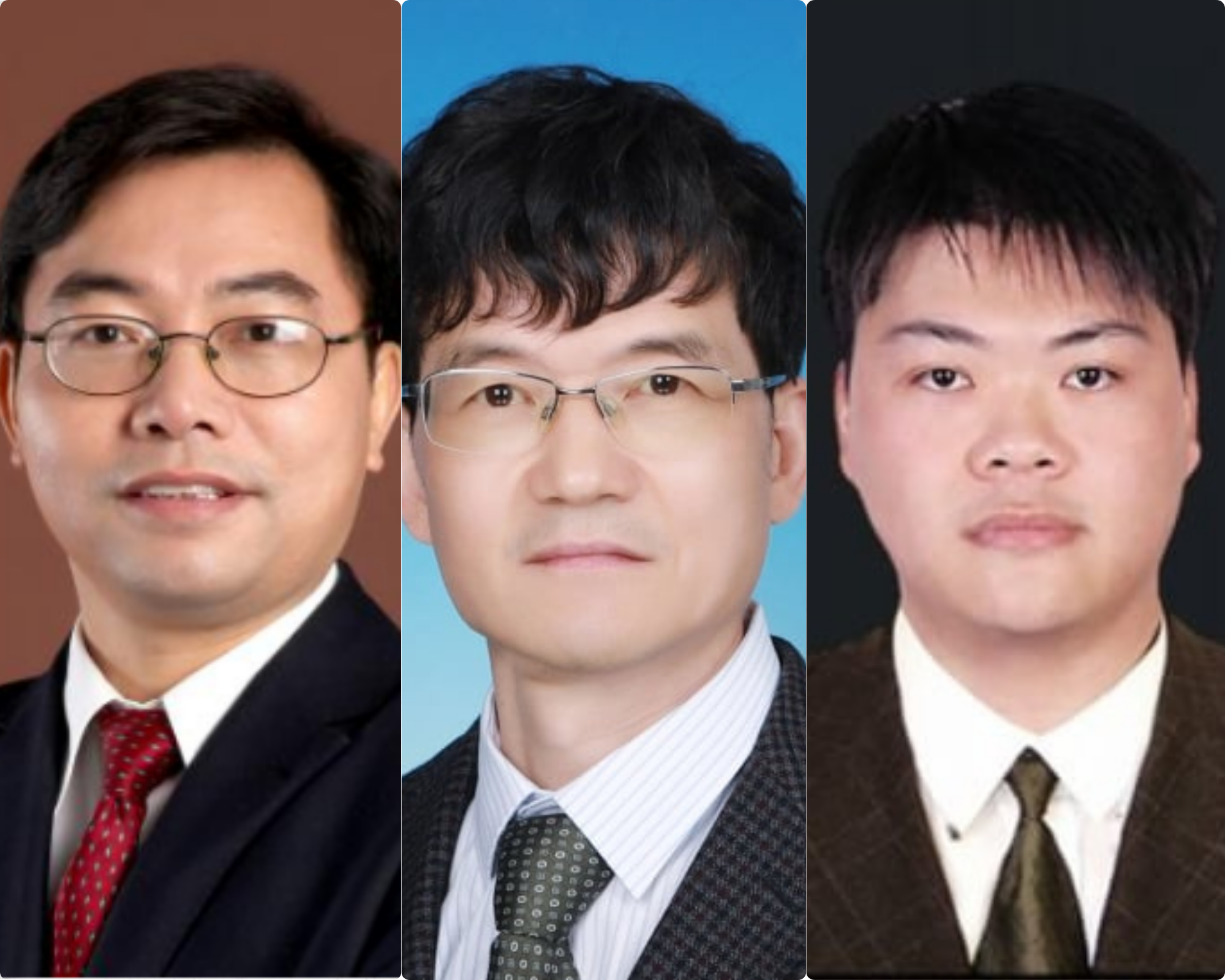 |
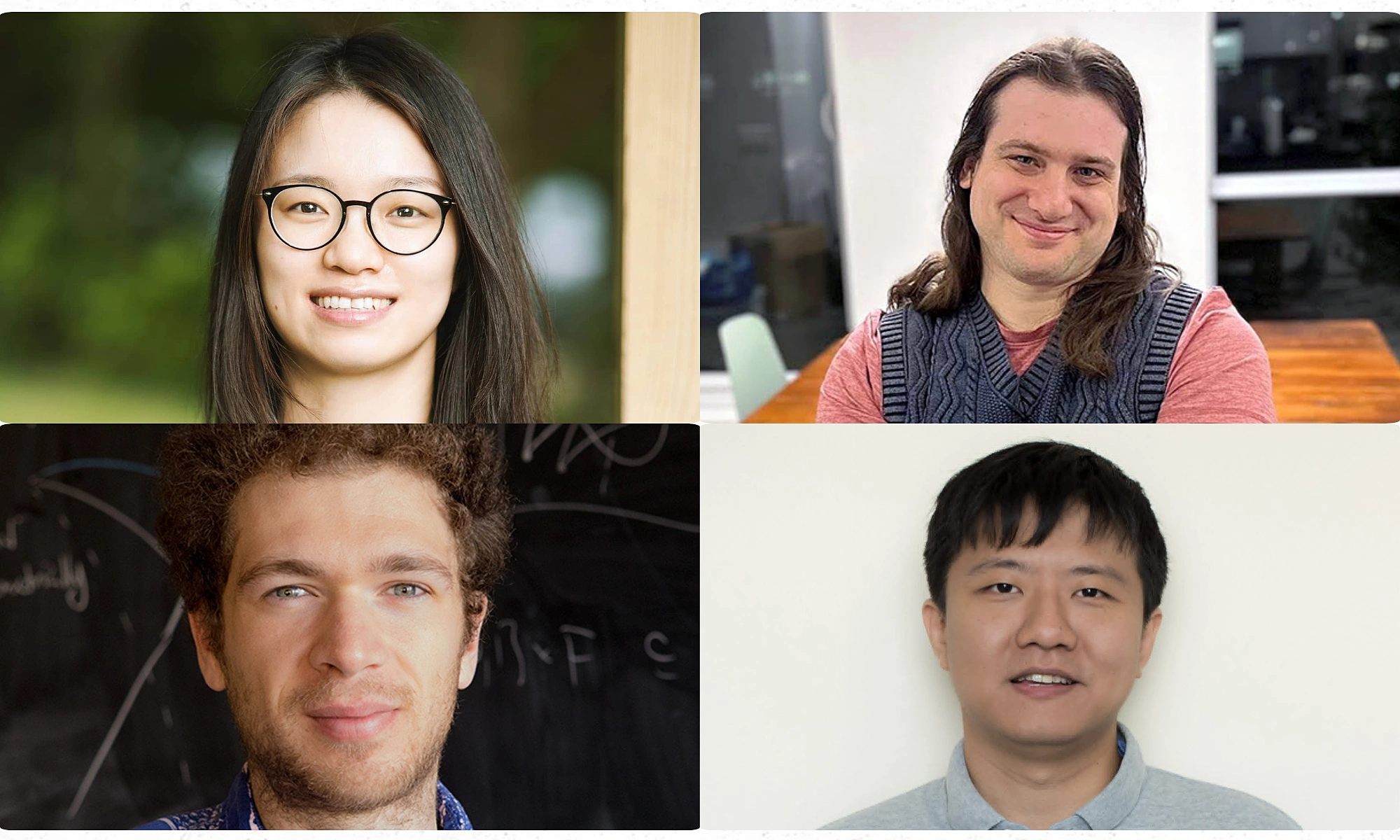
From left: Professors Kang Tiebang, Quan Chen, and Kuang Dongming. Photo: Sun Yat-sen University, Baidu |
In his videos, Geng dissects scientific papers, meticulously examining everything from Western blot images and microscopy photos to supplementary data sets and statistical models. He uses AI tools and statistical methods to identify signs of data manipulation and fabrication.
Geng's videos sparked widespread debate on social media, compelling the involved universities to launch investigations.
Last week, Xinhua News Agency praised Geng for his positive impact in popularizing science for the public. The agency also emphasized that universities and research institutions must thoroughly address such issues internally, rather than allowing them to be confined to online discussions.
Nature is a multidisciplinary scientific journal with over 60 sister publications, known for publishing groundbreaking research since 1869. Cell journal has published breakthrough life science research since 1974, while Science Advances is a rigorously peer-reviewed scientific journal founded by the American Association for the Advancement of Science (AAAS).
For decades, publishing an article in top-tier journals has been considered the pinnacle of an academic career for Chinese scholars. This serves as a determining factor for whether a scientist receives millions of yuan in funding, secures permanent positions, is included in talent lists, or earns promotions at leading institutions and organizations.
 |
Content creator Geng in a video analyzing scientific research fraud, attracting attention. Photo: Oriental Daily |
By Khanh Linh (Sources: SCMP, China Digital Times, Oriental Daily)