Korea University is projected to implement the largest hike, exceeding 11%. International students at the institution currently pay 5.8-7.8 million KRW (approximately 103-139 million VND) per semester. Postgraduate programs will see increases ranging from 2% to 5%.
Early this month, Yonsei University initiated this trend by announcing a 6% tuition increase for international undergraduate students, raising fees to 4.5-7.5 million KRW (80-134 million VND) per semester. However, international students at its Underwood International College will experience a smaller rise of nearly 3.2%.
Ewha Womans University is implementing a 7% increase for all international students, from undergraduate to doctoral levels, compared to the current 4.7 million KRW per semester. Sogang University reported a similar 7% increase. Sungkyunkwan University will raise fees by 6%, while Hanyang University and Kyung Hee University will implement a 5% increase.
Domestic South Korean students will also face higher tuition, but their increase is capped at 3.19%, aligning with the government's regulation based on the average consumer price inflation over the past three years.
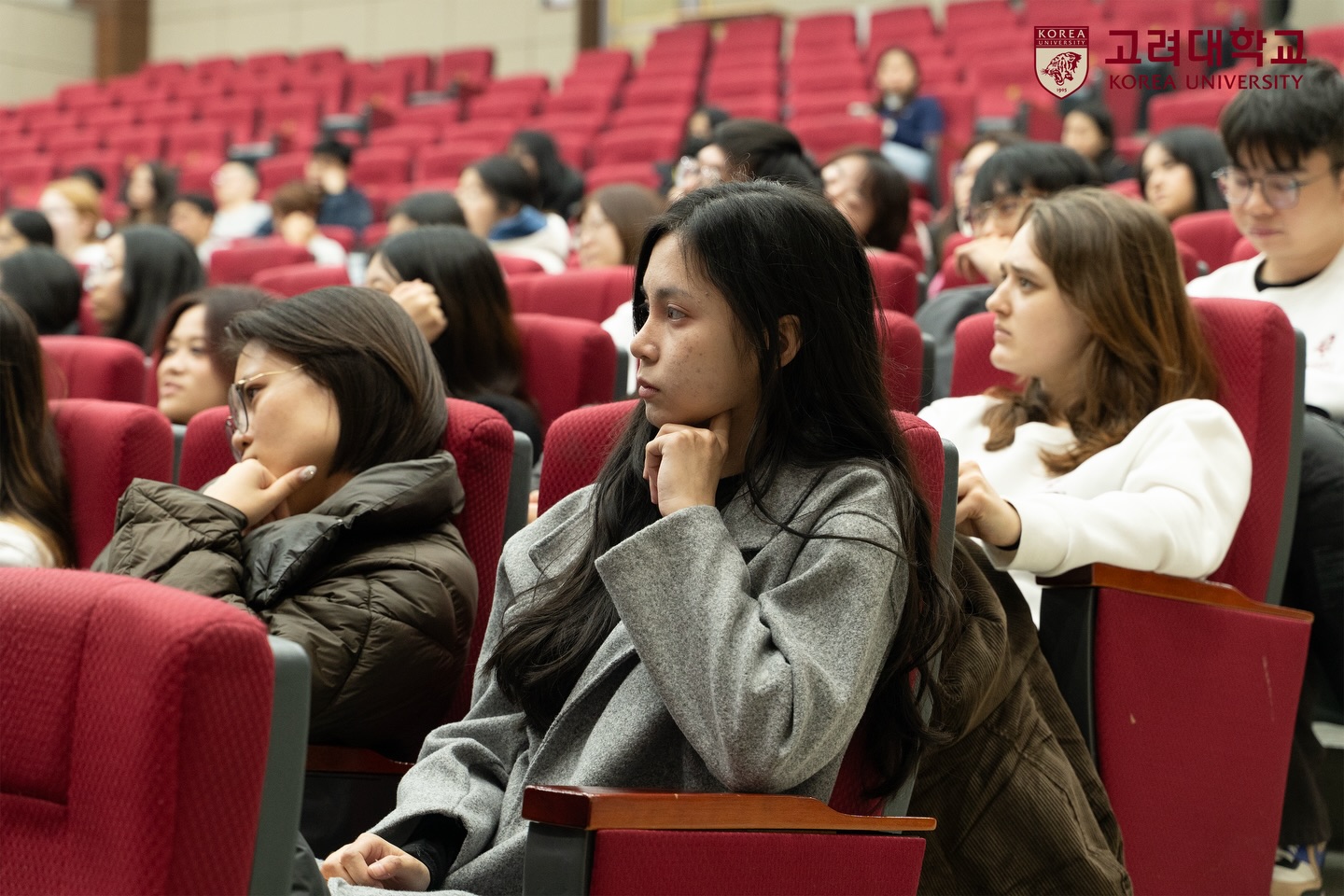 |
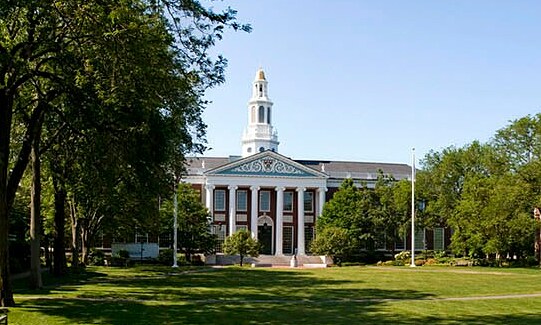
Du hoc sinh tai Dai hoc Han Quoc. Anh: Korea University.
Historically, government funding was contingent on universities maintaining or reducing tuition fees. This policy shifted last year when 136 universities, over 70% of all institutions, decided to raise fees. Despite a letter from the Ministry of Education urging them to reconsider, these universities proceeded, arguing that a prolonged "tuition freeze" had eroded their competitiveness.
University officials cite operational challenges as the reason for the increases. A rector at a public university in Seoul noted, "Faculty salaries are so low that even when we find talented individuals, we cannot offer competitive compensation."
Some institutions report inadequate cooling systems for graphics processing units (GPUs), essential for artificial intelligence research. This forces them to shut down equipment when temperatures exceed 40°C. Students are consequently unable to design semiconductor circuits and contend with water leaks from ceilings during heavy rainfall.
From the private sector, Hwang In-sung, Secretary General of the Korean Association of Private University Presidents (KAPUP), stated that universities feel constrained, with the government simultaneously reducing support and demanding low tuition fees to compete with public institutions.
The tuition hikes have sparked strong reactions from domestic students, who report not seeing tangible benefits from last year's increases. The student council at Hankuk University of Foreign Studies criticized the university for raising tuition by 5% last year without using the funds to benefit students as promised. Similarly, the Korea University student council stated they have observed no improvement in teaching quality. The Ewha Womans University student council urged their institution to secure more funding through sponsorships instead of burdening students.
In response, South Korea's Ministry of Education affirmed, "We will review carefully and ensure students continue to be supported."
South Korea is home to over 300,000 international students, with more than one-third originating from Vietnam. Annual tuition fees at the top 10 universities currently range from 2.7 million to 19 million KRW (50 million to 346 million VND).
Khanh Linh (According to Asia News Network, Korea Joongang Daily, Donga Ilbo)