On 9/9, the keyword phrase "AI actress Phuong Dao Tu on fashion magazine" trended on Weibo, sparking extensive discussion. She was featured wearing an off-the-shoulder lace dress from Fendi’s Fall/Winter 2026 collection, alongside jewelry from international brands.
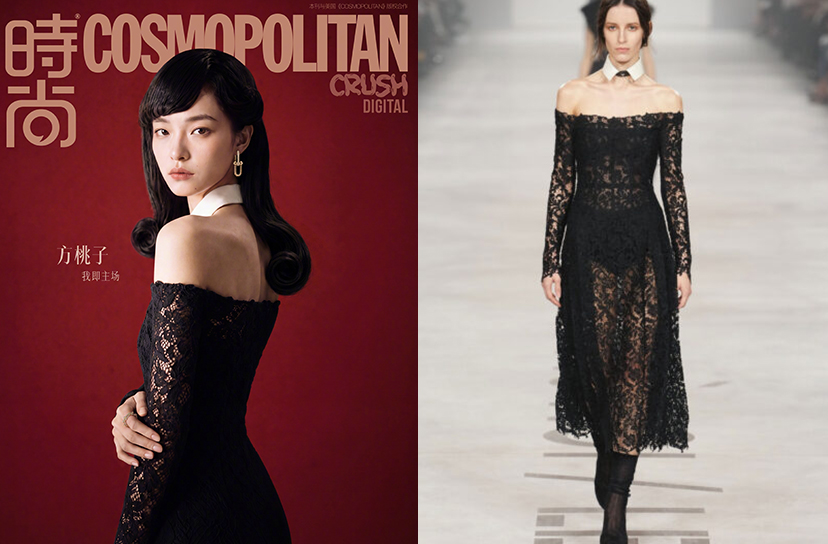 |
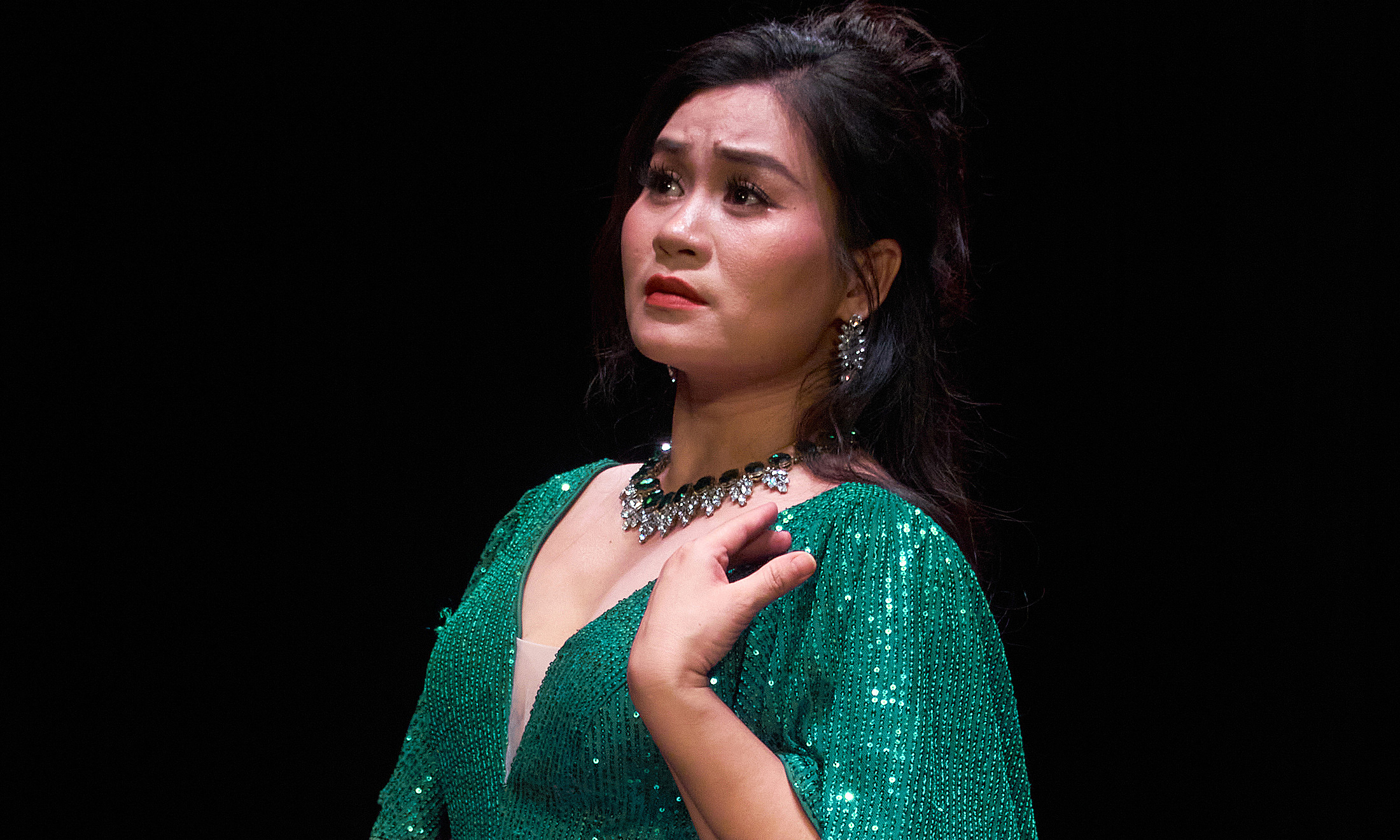
AI sensation Phuong Dao Tu wears a Fendi dress on the cover of Cosmo Crush, a digital platform of the Chinese edition of Cosmopolitan fashion magazine. Photo: Cosmo |
AI sensation Phuong Dao Tu wears a Fendi dress on the cover of Cosmo Crush, a digital platform of the Chinese edition of Cosmopolitan fashion magazine. Photo: Cosmo
Beyond still images of Phuong Dao Tu posing, her team also produced videos portraying her as a real-life model, meticulously cared for by beauty experts. The team defines her persona as not striving for perfection or trying to please everyone.
The magazine wrote about the character: "In Phuong Dao Tu's world, 'imperfection' has never been a constraint; instead, it has helped her find her path. Thus, in the virtual world, Phuong Dao Tu lives a non-virtual life."
| Phuong Dao Tu wears a luxury dress from an international fashion house. Video: Cosmo |
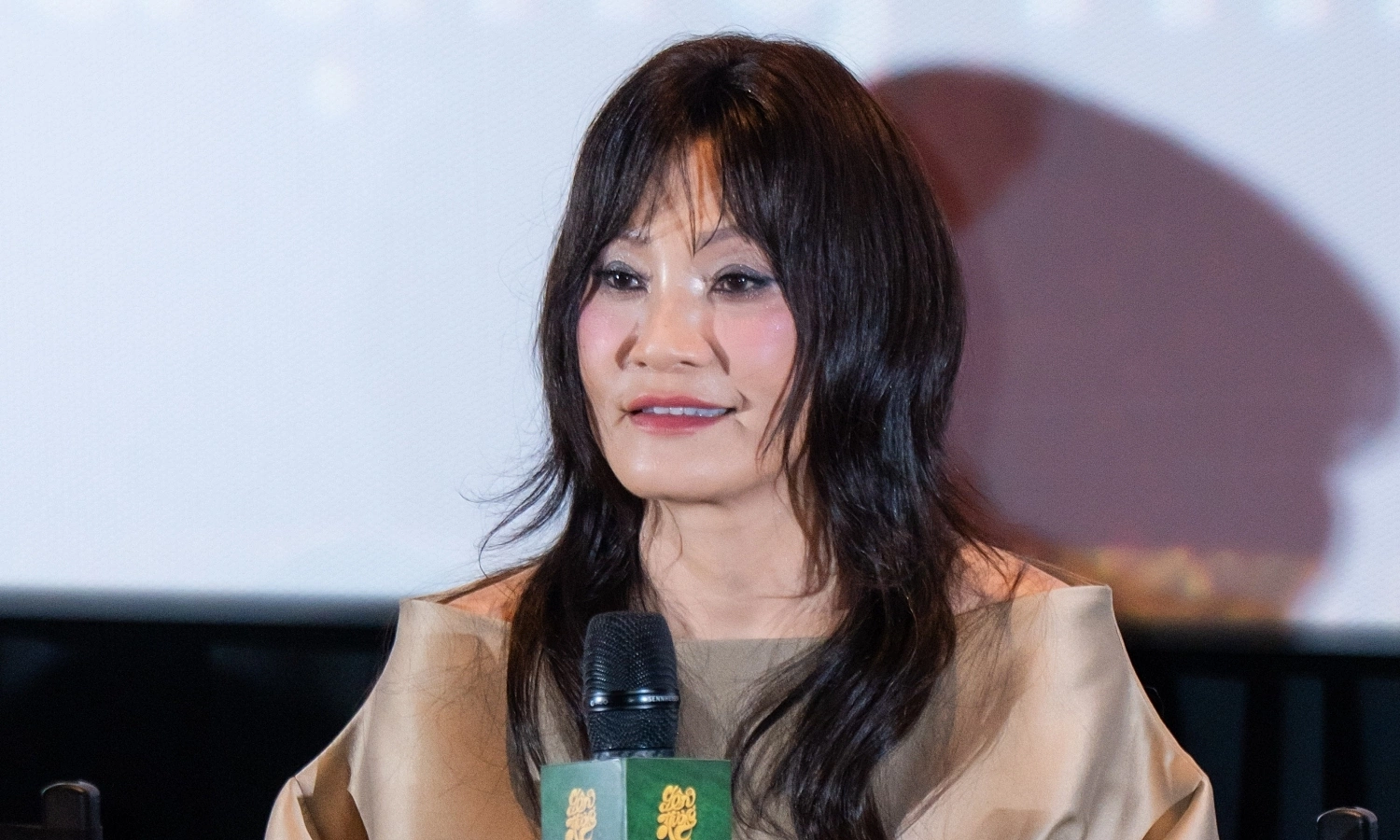
On Weibo and Douyin, thousands of viewers noted Phuong Dao Tu’s resemblance to a number of actresses and singers, such as Komatsu Nana, Minji, Ni Ni, and Hanni, raising questions about image infringement. Others commented that the photoshoot marks a step forward in the influence of AI actors in real life.
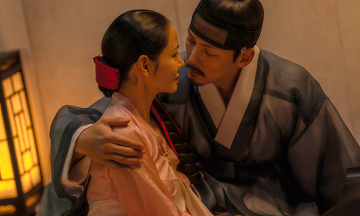
According to Finance Sina, Phuong Dao Tu entered the entertainment industry over two months ago, creating a sensation with the short film "The Fired Girl". This AI film garnered over 200 million views. The production company established social media accounts for Phuong Dao Tu, and her Douyin followers have exceeded 500,000.
 |
Phuong Dao Tu modeling. Photo: Cosmo |
Phuong Dao Tu modeling. Photo: Cosmo
Each of her videos typically attracts thousands of comments. Since early August, Phuong Dao Tu began accepting advertisements. According to pricing from the rights holder, a video under 20 seconds costs nearly 170,000 yuan (661 million VND). A video over 60 seconds is almost 260,000 yuan (over one billion VND). These prices surpass many key opinion leaders (KOLs) with millions of fans in China, and are even higher than some KOLs with tens of millions of followers.
The emergence of virtual figures like Phuong Dao Tu indicates a trend of international brands becoming more open to digital models. However, the creation of a fictional character with a realistic human image has raised concerns about potential job displacement for models, actors, and singers. Simultaneously, this trend opens complex legal disputes over image rights when AI portraits are crafted from the features of numerous famous artists.
According to market research firm DataEye, over 220,000 AI-generated short films appeared on the Douyin platform in the first half of this year, attracting approximately 500 billion views.
China's AI content production market is currently experiencing a fierce price war and market consolidation. Due to oversupply, within just six months, the cost of producing one minute of AI short film dropped from 5,000 yuan (19.4 million VND) to a few hundred yuan. For some experienced teams, prices are even lower, driving costs to near minimum levels.
Nhu Anh