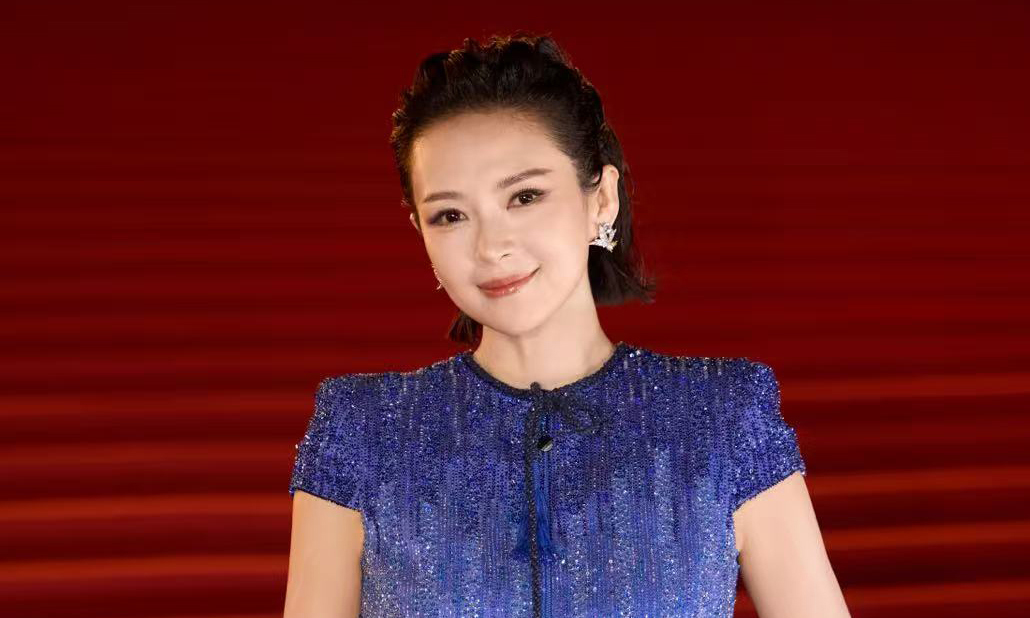
A recent announcement by Iqiyi, a leading Chinese video platform, regarding its AI data library has sparked a swift denial from several prominent actors. According to the Shanghai Morning Post, during a conference in Beijing on 20/4, Gong Yu, CEO of Iqiyi, stated that over 100 artists, including Yu Hewei, Zhang Ruoyun, Wang Churan, Li Yitong, and Zeng Shunxi, had signed agreements to join this library.
Gong Yu highlighted the potential benefits for actors, explaining that signing these contracts would allow them to participate in 14 films annually, a significant increase from the current maximum of 4 films. Jimu News further reported that artists joining the "AI library" implies their consent to allow artificial intelligence to generate content using their images.
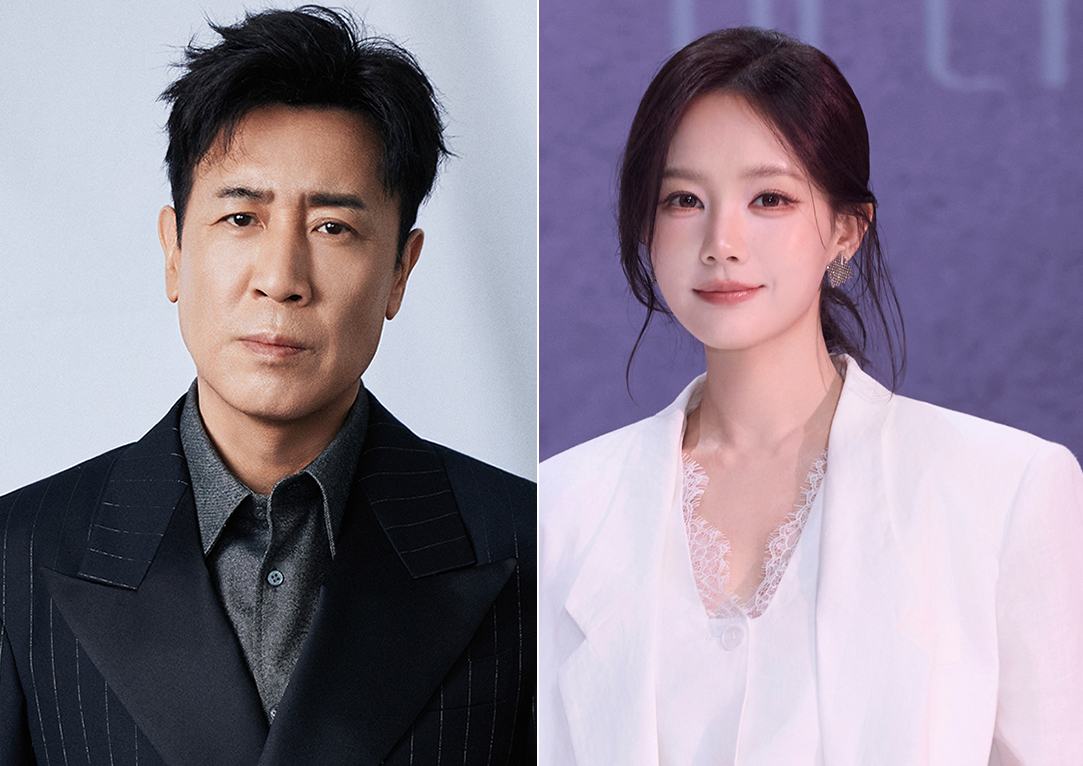 |
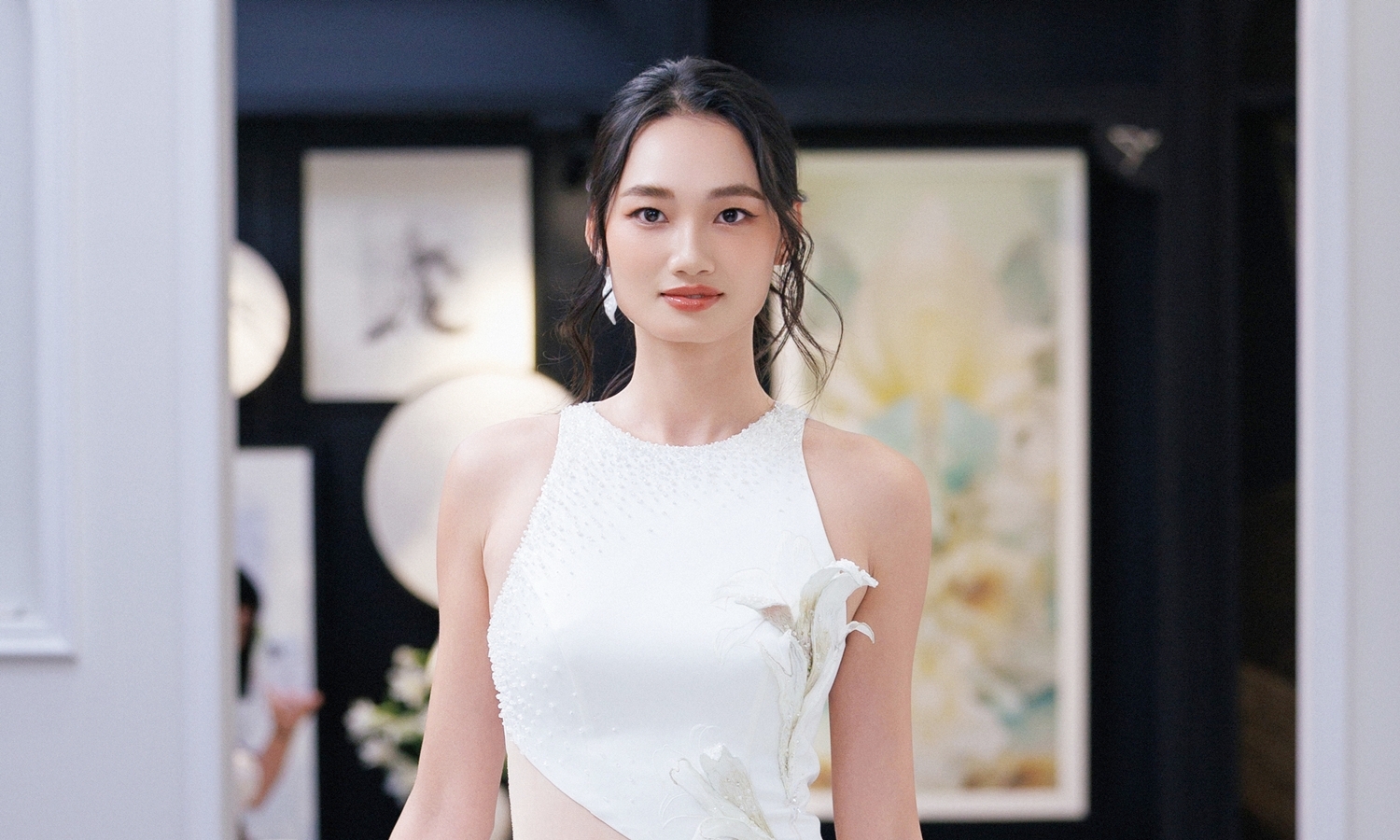
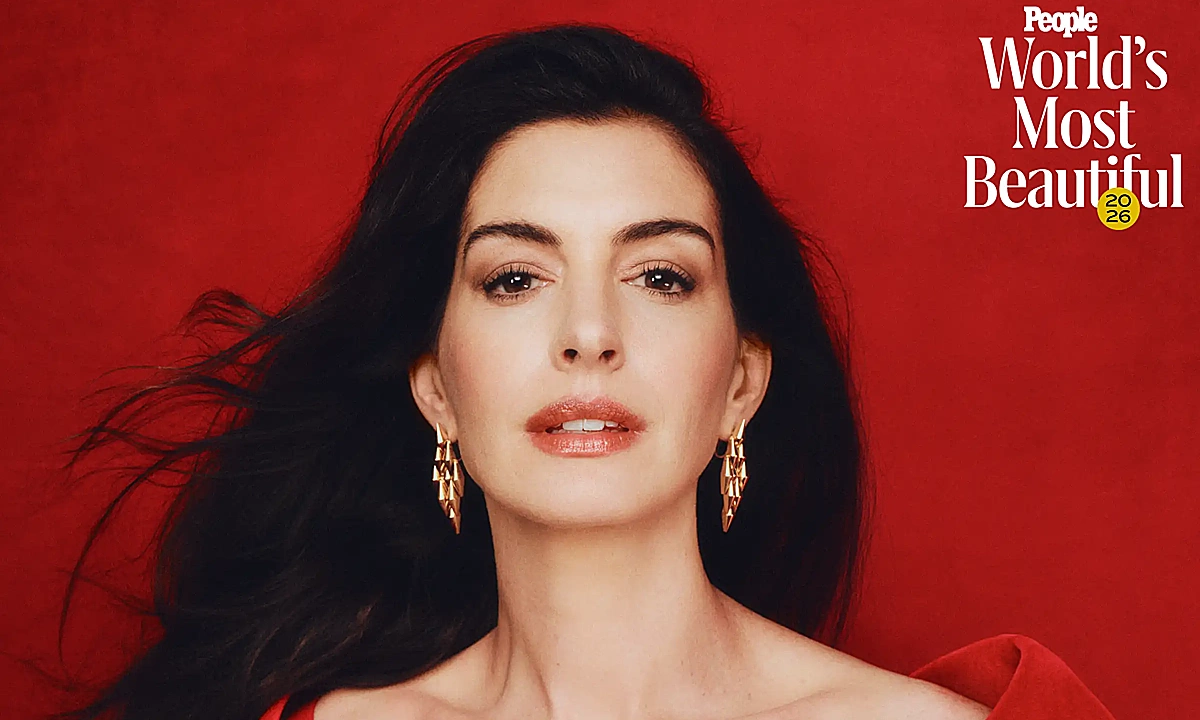
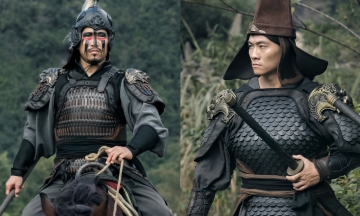
Actor Yu Hewei is famous for "Three Kingdoms" 2010, "The Grand Mansion", and "Legend of Chu and Han". Li Yitong starred in "The Legend of the Condor Heroes" 2017 (as Huang Rong), "The Storm", and "Love Between Fairy and Devil". *Photo: Sina* |
However, following Iqiyi's announcement, several actors collectively denied "selling themselves to AI". A representative for Yu Hewei's management company explicitly stated that the actor has not signed any contract granting rights to artificial intelligence. Actors Zhang Ruoyun, Wang Churan, Li Yitong, and Chen Zheyuan issued similar responses, asserting they had not entered into such agreements.
In response to the actors' statements, Iqiyi clarified that artists "joining the library" signifies their intent to discuss cooperation on projects utilizing AI technology. The company intends to work individually with each artist regarding their specific form of participation.
The platform views AI as positively impacting creative endeavors and film production. Iqiyi emphasized its respect for content creators, including actors. The launch of the "AI library" aims to reduce creative obstacles and provide more opportunities for young filmmakers.
This incident has sparked widespread discussion about AI potentially replacing actors. Many have recirculated a video of actor Liu Yuning, 36, speaking about the threat of "job displacement". He mentioned using various artificial intelligence applications and even attempted to create an AI-generated short film in a day.
"Whether it's job displacement or not, the times are changing, and I cannot block the future or cling to the past", Liu Yuning stated. "AI has developed so much now; nobody knows what the world will be like a year from now. For upcoming films, I might avoid projects that AI could generate. Before each project, I will consider whether AI could perform what I do".
In recent years, many Chinese artists have expressed frustration over production teams unauthorizedly using their images, employing artificial intelligence to deepfake their faces into short films. In 4/2025, actress Dilraba Dilmurat filed a lawsuit in a Beijing court against Fuyang Zhishang Cultural Communication Company for "image infringement". According to Dilmurat's lawyer, the company released a short film using visual effects to superimpose the actress's face onto a character, despite her having no involvement in the film. In 3/2026, the court announced Dilraba Dilmurat won the case.
Feng Yuanzheng, president of the Beijing People's Art Theater, told Beijing News that the explosion of artificial intelligence is creating friction with the film industry. While the question of AI replacing actors remains, from the audience's perspective, viewers do not want "AI people flooding the screen".
He believes that technology can support creativity, but it would be regrettable if film creation became a "product of an assembly line", losing its artistic exploration and human depth.
"The tears of AI individuals are drawn, while our tears flow from our bodies, possessing warmth and salinity. The soul in performance cannot be replaced by algorithms", Feng Yuanzheng stated.
Nghinh Xuan