More than a week after the final night, the 74th Miss Universe competition continues to generate controversy, from allegations of rigged results to claims of racial discrimination. The latest scandal involves the president of the Miss Universe Organization (MUO), Raul Rocha, who is accused of operating a transnational criminal organization involved in arms, drug, and fuel smuggling.
On 26/11, People magazine published an interview with Melissa Sapini, the representative from Haiti who participated in this year's competition, revealing behind-the-scenes issues. She stated that Miss Universe (MU) had been a dream she cherished for many years, but the reality was completely different.
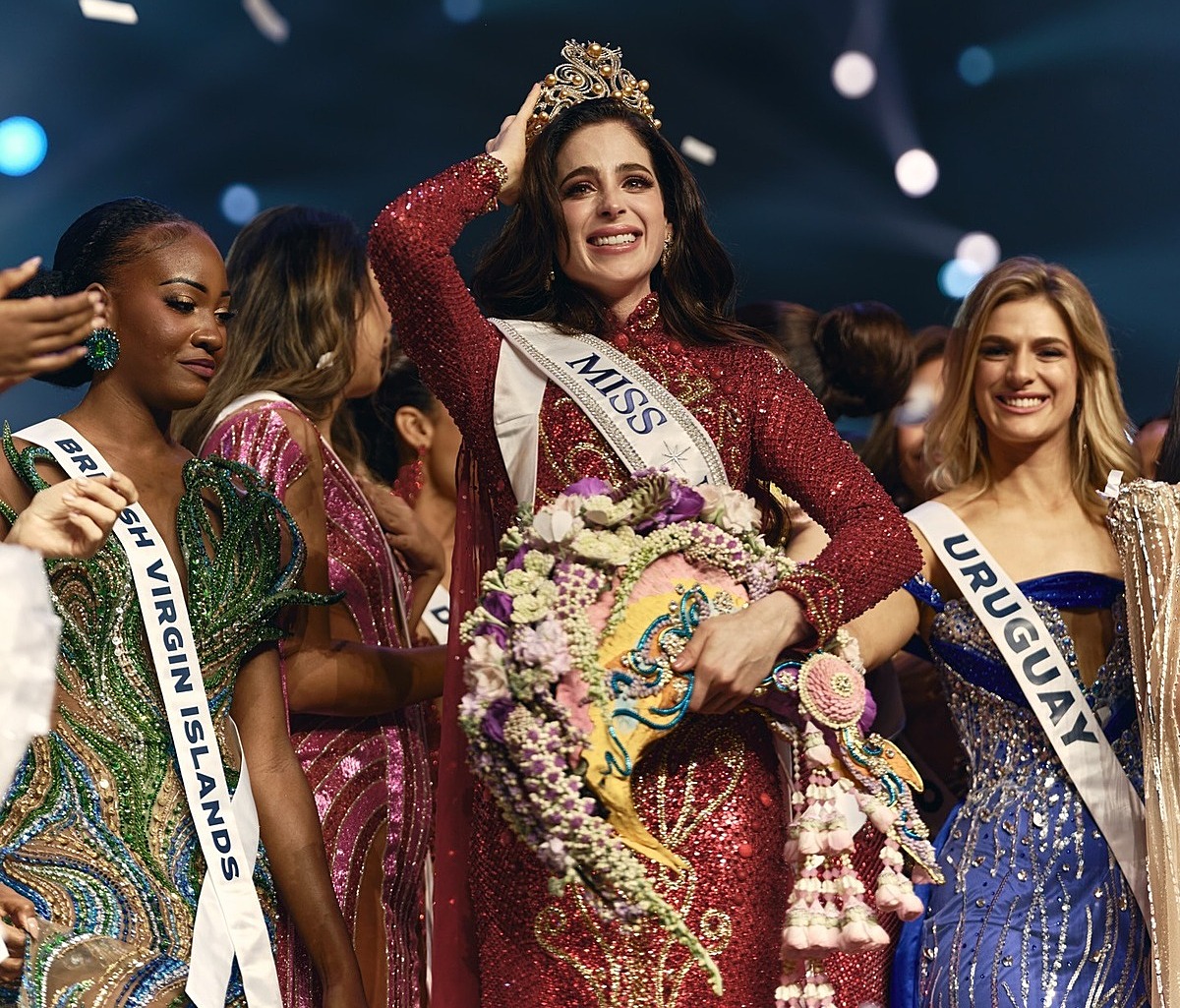 |
Mexico's representative, Fatima Bosch (center), won this year's crown. The event took place from early november to the morning of 21/11 in Thailand. *Photo: MU*
According to Melissa Sapini, the competition was unstable from its early days. The string of controversies began with a heated argument between the Mexican contestant, Fatima Bosch—who later became Miss Universe 2025—and the executive director for the Asia region, Nawat Itsaragrisil, during a meeting on 4/11. When the incident gained global attention, Bosch received praise from the public and several celebrities, including Miss Universe 2024 Victoria Kjaer Theilvig, former Miss USA 2023 Noelia Voigt, and the president of Mexico.
Meanwhile, Nawat was restricted by President Raul Rocha from interfering in the competition. Previously, the two had clashed over Nawat's unauthorized activities, which violated the brand by launching a photo voting campaign to select the top 10 for a "special dinner and talk show."
Nawat's tense conversation with Fatima Bosch. *Video: FPT Play*
In the following days, the program continued to face a series of problems, from the Chilean representative receiving criticism for posting a video simulating drug use, to multiple contestants falling ill and suffering from food poisoning simultaneously. On the semifinal night of 19/11, the Miss Jamaica contestant was hospitalized after falling from the stage and could not participate in the final elimination round.
During the same interview, Melissa Sapini recounted a period when the competition's group chat was flooded with messages from contestants reporting illnesses. The organizers agreed to provide support but only sent personnel to supervise, advising them to go to the hospital or see medical staff. The medical team also failed to implement preventive measures. Sapini herself fell ill in the final days but avoided hospitalization, fearing it would affect her participation in the competition.
The crowning moment of the new Miss Universe. *Video: FPT Play*
Allegations of rigged results were among the most talked-about issues this year. It began on 18/11 when musician Omar Harfouch announced his departure from the judging panel, accusing the organizers of "spontaneously forming a judging committee" to select the top 30. According to him, one contestant had a romantic relationship with a selection committee member. MU denied all claims. In addition to Harfouch, two other individuals also withdrew their judging rights but did not disclose their reasons.
After the final round, Omar Harfouch continued to stir controversy by declaring Fatima Bosch a "fake queen," claiming she won because her father had business ties with Mr. Rocha. To date, he has consistently posted messages pressuring MUO, demanding Bosch return the crown. He also called for Raul Rocha to resign and cease involvement in all beauty pageants. Omar Harfouch stated that he possesses a recording of Rocha and his father persuading him to vote for Bosch, and that he is considering suing MUO.
On 24/11, Mr. Rocha issued a written response, confirming a past collaboration with Permex—an oil and gas company where Bosch's father was a long-time employee—but stated their contract expired in late 2023. He asserted that he did not know the Bosch family beforehand, only meeting them during Miss Universe Mexico in september. Furthermore, he called Harfouch an "opportunist" using the program to gain social media followers.
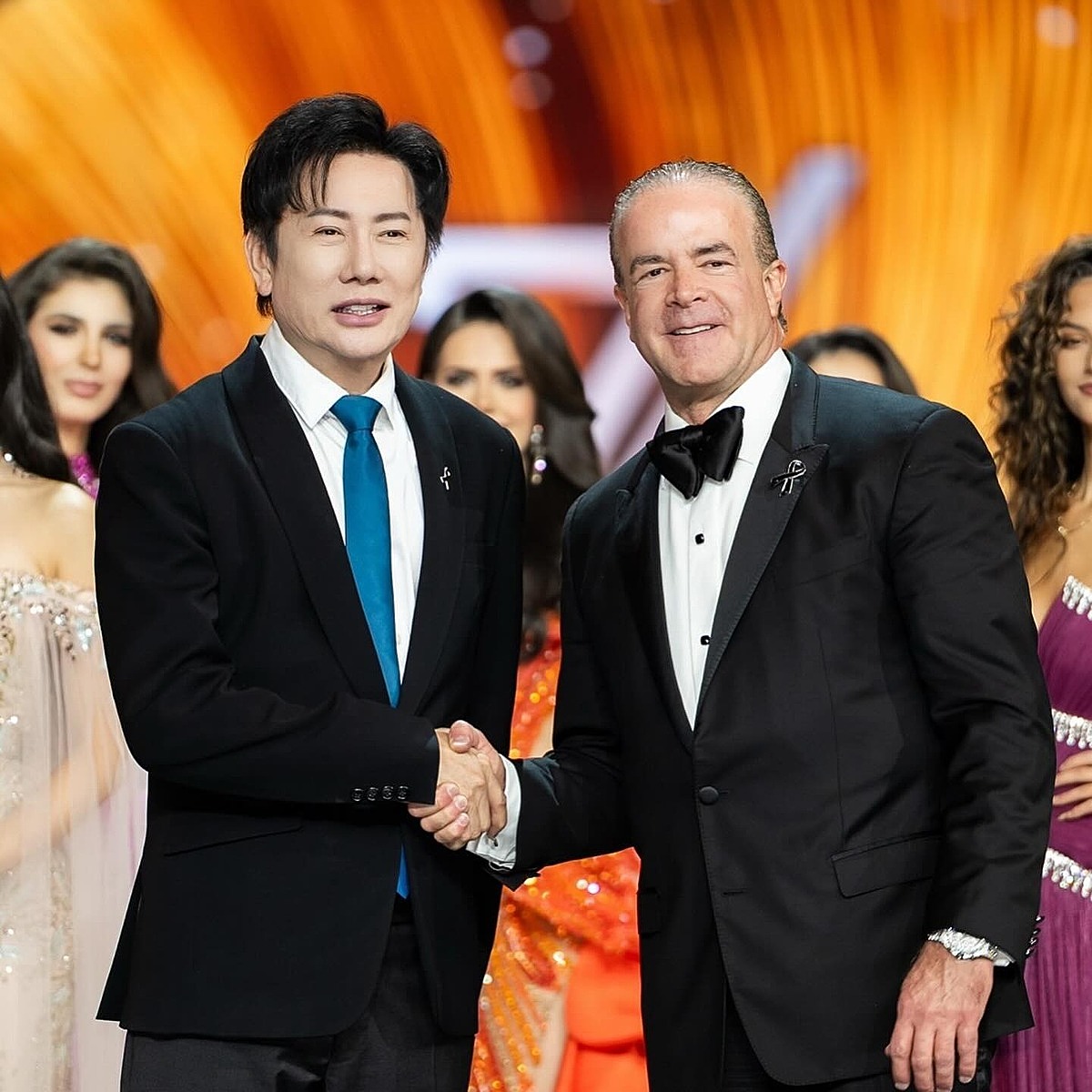 |
Executive director Nawat Itsaragrisil (left) and President Raul Rocha. International media once described their conflict as a "budding power struggle" within the organization. *Photo: Instagram/ Nawat Itsaragrisil*
Omar Harfouch's public statements ignited a series of criticisms from other contestants following the coronation. On 23/11, Estonia's representative, Brigitta Schaback, recounted experiencing discrimination at the competition in Thailand because she had a child, despite rules permitting married women and mothers to participate. Miss Portugal, Camila Vitorino, shared a similar view, revealing that organizers subtly implied that "married women, those with children, or girlfriends had no chance of winning."
The scandal escalated when this year's fourth runner-up, Olivia Yace from Cote d'Ivoire, announced her resignation from the title of Miss Universe Africa & Oceania, severing ties with MUO on 24/11. Not long after, Raul Rocha caused further outrage by suggesting that Yace could not win because her country's visa was not strong enough, making it incompatible with Miss Universe's demanding international travel schedule.
Many believe the president's remarks carried discriminatory undertones against representatives from smaller countries. On Instagram, Guadeloupe's beauty queen, Ophely Mezino, a top 12 contestant this year, criticized Mr. Rocha for finding a racially discriminatory excuse to cover up the fact that he did not select a qualified individual. On 25/11, Curacao's representative, Camille Thomas, posted an Instagram story stating she had witnessed instances of favoritism among nations.
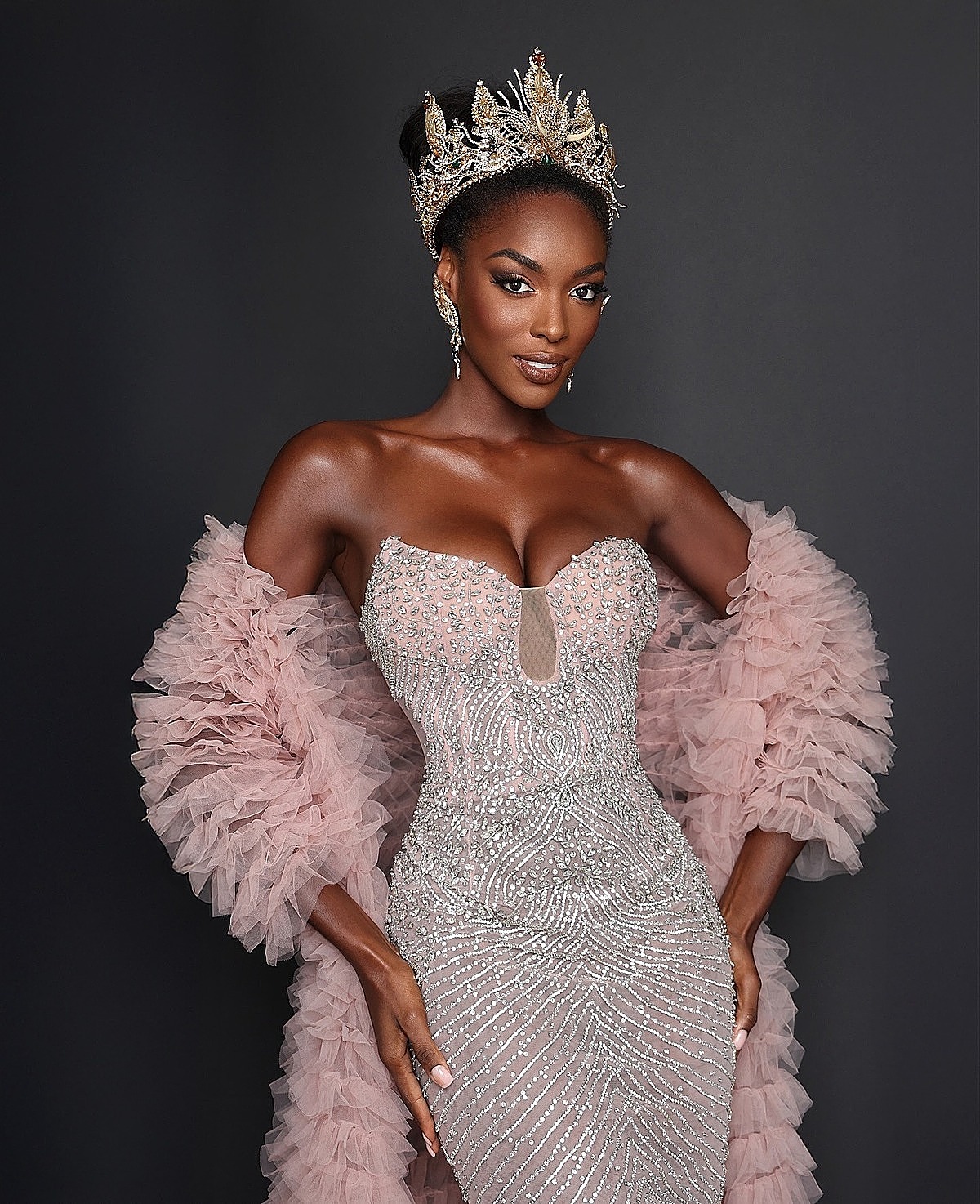 |
Olivia Yace was predicted to win by many specialized pages such as Sash Factor, Leaderboard, and Crown, but she only placed as fourth runner-up. *Photo: Instagram/ Olivia Yace*
Beyond the contestants, Miss Universe leadership in various countries also raised questions about the organization's credibility. On 24/11, Guyana's national director and co-director of MU Ghana, Teri Brown-Walker, announced her resignation from both positions amidst ongoing concerns about the transparency of the selection process.
In an interview with Entrevue on 21/11, the president of MU France, Frederic Gilbert, stated that the program's licensing fees are higher than Miss World, representing a significant investment. However, MUO needs to demonstrate its reliability, otherwise France will not participate next season.
Entrevue commented that the 74th competition is considered one of the most chaotic seasons in Miss Universe history. The publication's comment read: "Miss Universe 2025 will not be remembered for its glamour, but for a deep crisis. It is a combination of a parallel judging panel, a leadership accused of favoritism, a shocking judge's resignation, and post-event allegations of rigged results. All of this paints a grim picture for this year's season."
Phuong Thao (according to Entrevue, People)